
The best roofing material for Indiana's climate is one engineered to survive freeze-thaw cycling, summer hail and wind, and high humidity all in the same year. For most Central Indiana homes, that means either a high-quality architectural asphalt shingle with a Class 4 impact rating or a standing seam metal roof, and for flat or low-slope sections it means a single-ply membrane like TPO. There is no single "best" product for every house, only the best match for your roof's slope, your budget, and how long you plan to own the home.
Indianapolis sits in a transition zone where Indiana winters drop below freezing dozens of times, spring brings hail-producing thunderstorms, and July humidity bakes shingles and feeds attic moisture. A material that thrives in Arizona or coastal Florida can fail early here. This guide walks through every common roofing material, scores it against Indiana's specific stresses, and helps you choose a system rather than a patchwork of parts.
At Alpha Holistic Roofing, we design roofs as complete systems, not just a layer of shingles, so the recommendations below weigh underlayment, ventilation, and flashing right alongside the visible surface.
Before comparing products, it helps to understand what a Central Indiana roof actually fights against. Indianapolis averages roughly 40 inches of rain and 25 inches of snow a year, with temperatures that swing from single digits in January to the low 90s in July. That range is exactly what makes material selection here harder than in milder regions.
The four stresses that decide which materials last in Indiana are:
Asphalt shingles cover the vast majority of Indianapolis homes, and for good reason. They are affordable, widely available, and when you choose the right grade, they handle Indiana's climate well for 20 to 30 years. The key is matching the shingle type to local conditions rather than buying the cheapest bundle.
Three-tab shingles, the thin flat style, are the budget option but the weakest performer against Indiana hail and wind. We rarely recommend them for a full replacement. Architectural (dimensional) shingles are the sweet spot for most Central Indiana homes: thicker, heavier, and typically rated for 110-130 mph wind. For storm-prone neighborhoods, stepping up to a Class 4 impact-resistant shingle is one of the smartest upgrades you can make, and many Indiana insurers offer a premium discount for them.
Asphalt's main weakness here is granule loss under repeated freeze-thaw and UV exposure, which is why ventilation and underlayment matter so much. If you are weighing asphalt against metal specifically, our detailed comparison of metal roof vs shingles breaks down the cost and lifespan trade-offs. When it is time to replace, our roof installation and replacement team installs the full asphalt system, not just the top layer.
If you plan to stay in your home for the long haul, metal is arguably the best roofing material for Indiana's climate. A quality metal roof lasts 40 to 70 years, sheds snow before ice dams can form, and shrugs off the hail and wind that age asphalt prematurely. The trade-off is a higher upfront cost, typically two to three times that of asphalt.
Standing seam metal is the premium option, with concealed fasteners and raised vertical seams that handle thermal expansion and contraction beautifully through Indiana's wide temperature swings. It is the system we most often recommend for homeowners who want a roof they will likely never replace. Explore the details on our standing seam metal roof page.
Metal shingles offer a middle path, giving you metal's durability in a profile that mimics shingles or shake, which some Indianapolis neighborhoods and HOAs prefer. Metal also reflects summer heat, trimming cooling bills during humid July and August. The full range of options lives on our metal and premium roofing page. The one caution: metal must be installed by crews who understand panel expansion and proper fastening, or wind can find the weak points.
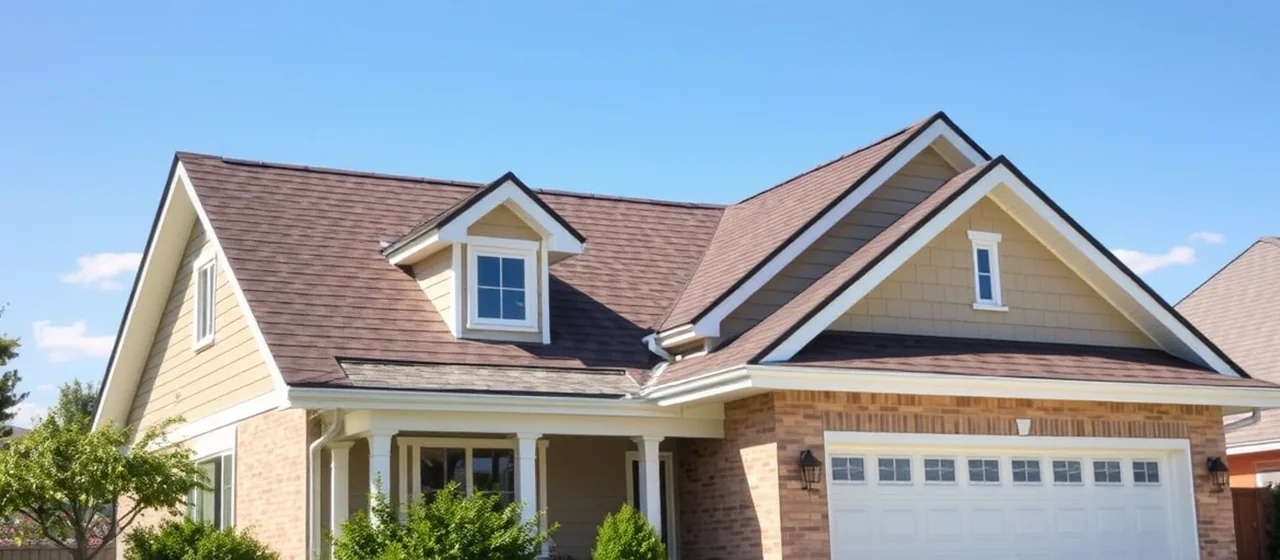
Beyond asphalt and metal, a handful of premium materials suit specific Indiana homes. Synthetic slate and synthetic shake (polymer composites) deliver the look of natural slate or cedar at a fraction of the weight and cost, and many carry Class 4 impact ratings that hold up to Central Indiana hail. They are an excellent fit for historic Indianapolis homes that need an authentic profile without the structural demands of the real thing.
Natural slate is the longest-lasting roofing material on earth, with a 75-to-100-plus-year lifespan, but its weight requires verified structural support and its cost puts it out of reach for most. Clay and concrete tile are common in warmer states but less ideal for Indiana, because the freeze-thaw cycle can crack tiles that absorb water, and the weight again demands engineering review.
For most Central Indiana homeowners, synthetic composites are the practical premium choice, blending durability, curb appeal, and freeze-thaw resistance. If you are unsure whether your roof deck can carry a heavier material, a professional roof inspection settles the question before you commit.
Not every Indiana roof is a steep gable. Porches, additions, modern homes, and most commercial buildings have flat or low-slope sections where shingles simply will not work, because there is not enough pitch to shed water reliably. These areas need membrane systems built for ponding, freeze-thaw, and UV.
TPO (thermoplastic polyolefin) is the most popular single-ply membrane today, prized for its heat-reflective white surface and welded, watertight seams. EPDM (rubber) is a proven, economical black membrane that flexes well through temperature swings, and PVC offers superior chemical resistance for specialized applications. Our guide on choosing between TPO, EPDM, and PVC walks through the differences in plain language.
Whichever membrane you choose, low-slope detailing is unforgiving, so flashing, seams, and drainage have to be perfect. Our flat and low-slope roofing and single-ply roofing teams handle these systems specifically, because a flat roof installed like a pitched one will leak.
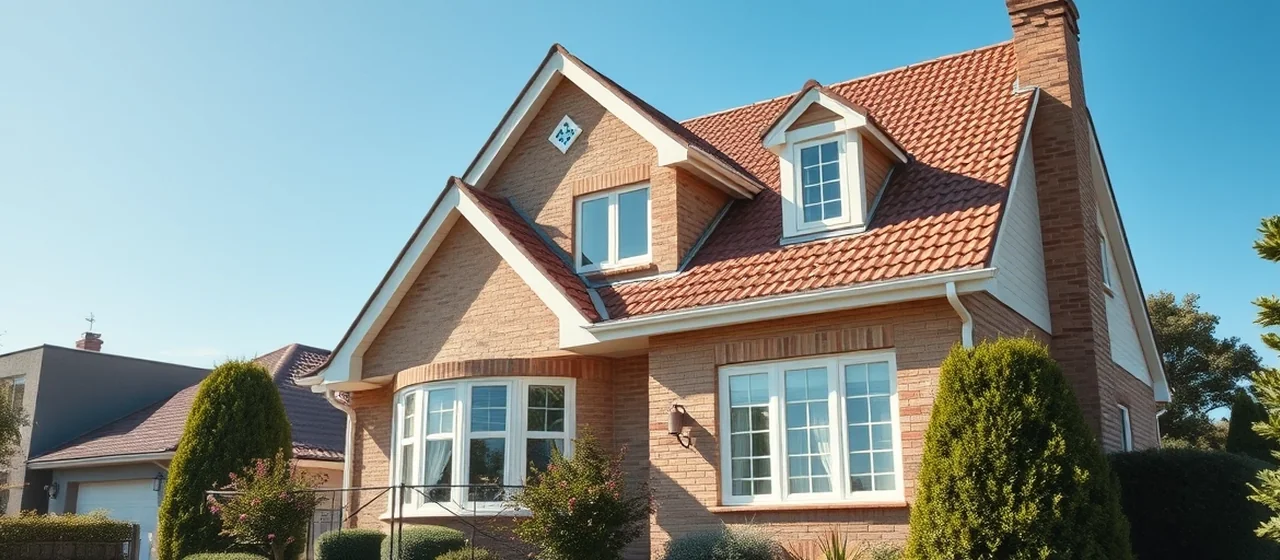
Here is the part most material guides skip: the visible roofing material is only one layer of what keeps your home dry. In Indiana's freeze-thaw climate, the components beneath and around your shingles or panels often decide whether a roof lasts its full lifespan or fails early.
A holistic Indiana roof system includes ice-and-water shield along the eaves and valleys to block ice-dam backflow, a quality synthetic underlayment as a secondary water barrier, balanced intake and exhaust ventilation to manage attic heat and moisture, and properly detailed flashing at every penetration and wall. Skimp on any one of these and even the best premium material will disappoint.
This systems approach is exactly why we say we engineer roofs rather than patch them. The right material on a poorly built assembly is money wasted.
The best roofing material ultimately depends on three things: your roof's slope, how long you plan to stay, and your budget. A few honest guidelines for Central Indiana homeowners:
Choose architectural asphalt if you want proven performance at a reasonable cost and may move within 20 years; upgrade to Class 4 impact-rated shingles if you live in a hail-prone part of the metro. Choose standing seam metal if you are staying long-term and want a roof that may outlast your time in the home while cutting summer cooling costs. Choose synthetic composite if you want premium curb appeal and freeze-thaw durability without the weight of slate. And for any flat or low-slope area, choose a single-ply membrane sized to that section.
Whatever you pick, the smartest first step is a professional assessment of your existing roof and deck. A no-pressure inspection tells you what your structure can carry, what your climate demands, and where your current roof is most vulnerable, so you invest in the right system the first time.
Our Indianapolis team will assess your roof, slope, and budget, then recommend the complete system built for Central Indiana's climate - no pressure, no patchwork. Call (219) 221-9617 or request your free roof installation and replacement consultation today.
Plan My New RoofCall (219) 221-9617For most Central Indiana homes, architectural asphalt shingles (ideally Class 4 impact-rated) offer the best balance of cost and durability, while standing seam metal is the best long-term choice. Both handle Indiana's freeze-thaw cycles, hail, and humid summers far better than budget three-tab shingles.
In Central Indiana's climate, three-tab asphalt lasts about 15-20 years, architectural asphalt 20-30 years, metal 40-70 years, synthetic composite 40-50 years, and natural slate 75-plus years. Proper ventilation and underlayment can push each of these toward the upper end of its range.
Yes, if you plan to stay in your home long-term. A metal roof costs two to three times more than asphalt upfront but lasts decades longer, sheds snow to reduce ice dams, resists hail and wind, and lowers summer cooling bills, making it cost-effective over its full lifespan.
Class 4 impact-resistant materials - whether asphalt, metal, or synthetic composite - perform best against the 1-inch hail common in Central Indiana spring storms. Many Indiana insurers offer a premium discount for Class 4 roofs, which can offset part of the upgrade cost over time.
No. Shingles need adequate pitch to shed water, so flat and low-slope sections like porches, additions, and commercial roofs require single-ply membranes such as TPO, EPDM, or PVC. Installing shingles on a low slope almost always leads to leaks and early failure.
Indiana's humid summers and freeze-thaw winters make attic moisture and ice dams a real threat. Balanced intake and exhaust ventilation keeps the attic dry, extends the life of any roofing material, and reduces ice-dam formation, which is why we treat ventilation as part of the roof system, not an afterthought.