
We don't just blow more fluff over a leaking attic floor. We seal the air paths that drain your heat, then build the insulation back to the R-value the Indiana climate actually demands, so the savings show up on the bill and the ice dams stop forming at the eaves.
Fast. Accurate. Transparent.
By submitting, you agree to our Privacy Policy.
Most Indianapolis attics fail in two ways at once: they leak warm air through dozens of unsealed penetrations, and the insulation that remains is too thin, compressed, or settled to do its job. The result is a roof that bleeds heat all winter and bakes the shingles from below all summer. Adding insulation over that mess only buries the problem. Alpha Holistic Roofing treats the attic floor as a continuous air and thermal barrier, sealing the leaks first and then installing the right material to the right depth, so every dollar of R-value you pay for actually performs.
This page goes deep on the insulation layer itself, the materials, the R-value targets, the air-sealing work, and what drives the cost in our market. It sits under our Energy Efficiency & Roofing Performance pillar, where insulation, ventilation, and the roof surface are engineered as one envelope. Insulation only delivers when the attic can still breathe, which is why we pair every job with proper roof ventilation installation rather than sealing the attic into a moisture trap.
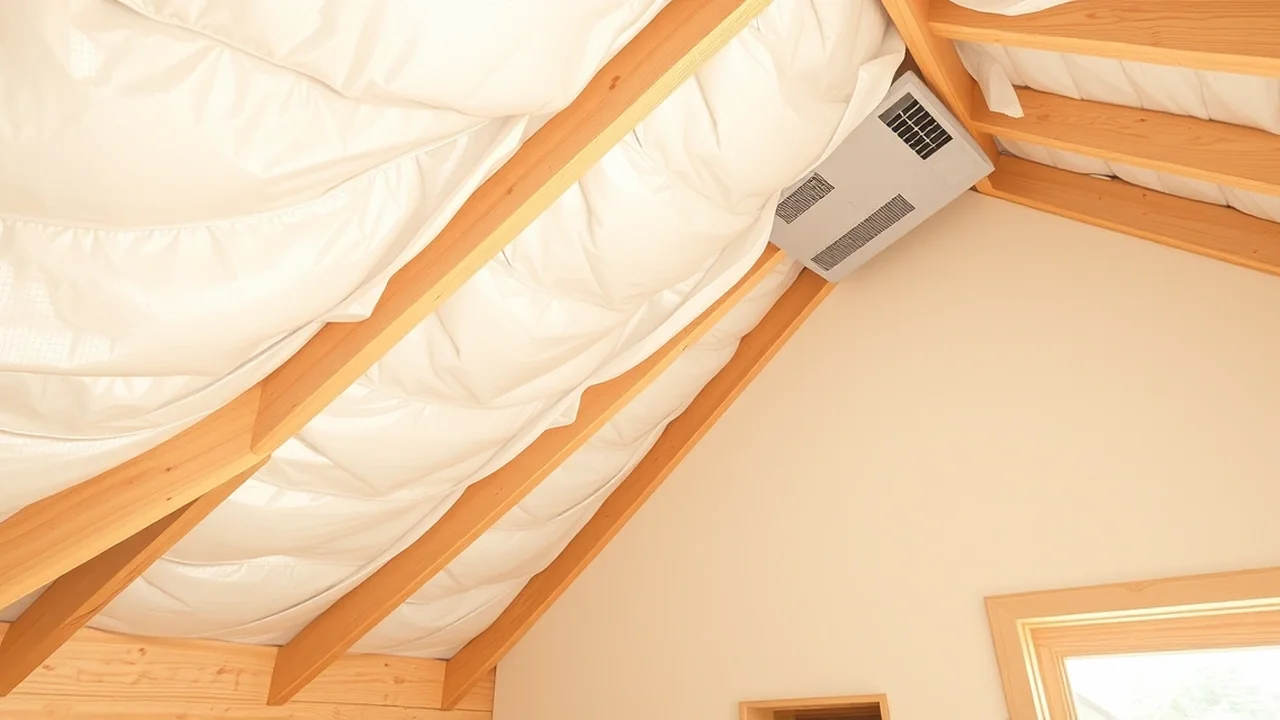
There is no single best insulation for every Indianapolis attic. Roof slope, attic access, ceiling type, and budget all change the right answer. Here are the four materials we specify and how each earns its place.
The workhorse for open attic floors. Loose-fill flows into irregular cavities, around wiring and framing, and builds deep, even coverage fast. Cellulose carries a slightly higher R-value per inch and resists air movement well; fiberglass is light and non-settling. We target R-49 and up for most Indianapolis attics.
Best for clean, accessible joist bays with consistent spacing. Batts give a known, labeled R-value and pair well with blown-in on top for a hybrid system. Proper fit matters, gaps and compression destroy performance, so we cut and seat every batt rather than stuffing it.
The choice for cathedral ceilings, low-slope decks, and tight rooflines where there is no attic floor to insulate. Closed-cell foam is an air barrier and insulation in one, sealing the roof deck from the underside. Higher cost per square foot, but unmatched where airflow can't be controlled any other way.
Not a material, but the step that makes the others work. We seal top plates, can lights, plumbing chases, and the attic hatch, and we remove old, contaminated, or rodent-damaged insulation when it can't be salvaged. Sealing before insulating is non-negotiable on every job we run.
Insulation is only as good as the preparation underneath it. Our crews follow the same sequence on a 1920s Meridian-Kessler bungalow and a Fishers facility, because the physics don't change: stop the air leaks, balance the airflow, then build the thermal layer to spec and verify the depth. Here is what a proper Alpha attic insulation job includes.
Insulation slows heat transfer, but it does almost nothing to stop air movement. If warm, moist air is still pouring out of unsealed penetrations, that air carries your heat straight past the new insulation and dumps moisture into the cold layer above, where it condenses and rots the deck.
That is why we seal first, every time. A modest insulation upgrade over a properly air-sealed attic outperforms a deep one dumped over an unsealed floor, and it won't quietly grow mold while you sleep.
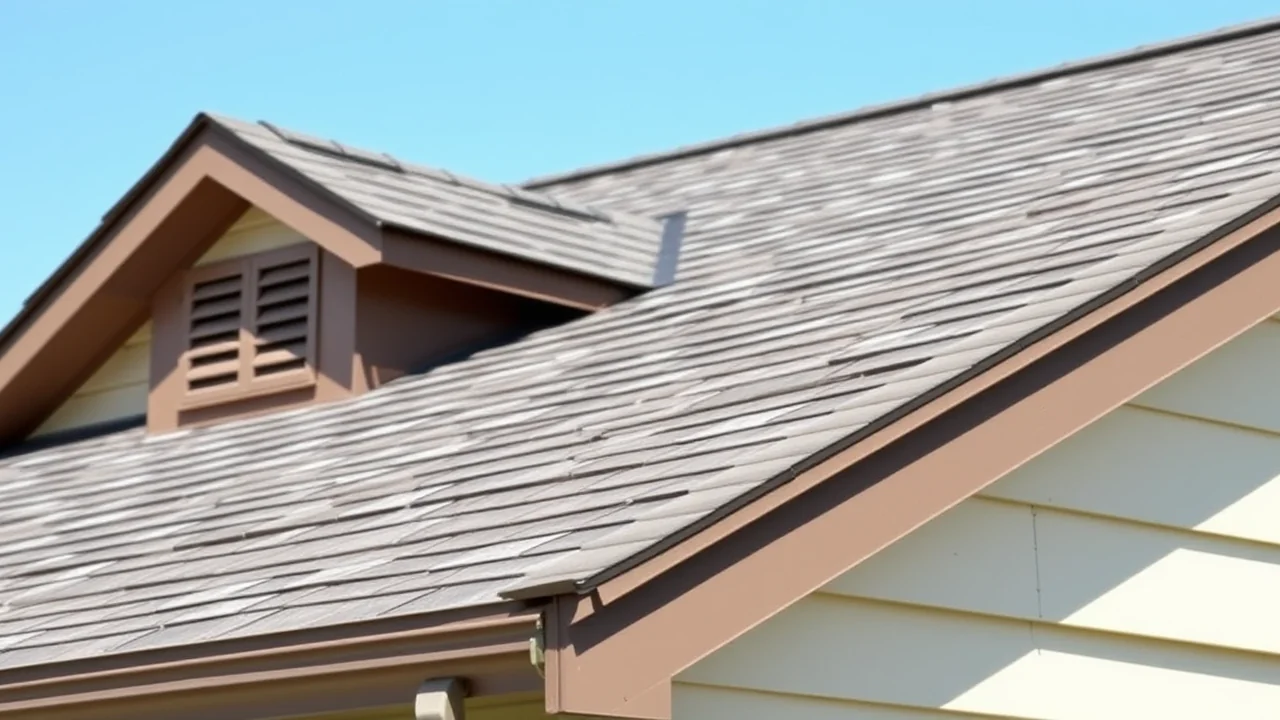
Two numbers decide whether your attic insulation pays off: the R-value you reach and how well the attic is air-sealed before you reach it. Here is how the Indiana climate and your home's specifics shape the strategy and the price.
Indianapolis sits in IECC climate zone 5, where the recommended attic level is roughly R-49 to R-60. Many local homes built before the 1990s come in around R-19 to R-30, often settled lower. Closing that gap is the single highest-return upgrade most homeowners can make, and it directly starves the winter heat loss that fuels ice dams along older eaves.
Attic square footage and target depth set the baseline, but the swing factors are air-sealing scope, whether old insulation must be removed and hauled, attic accessibility, and material choice. Blown-in is the most cost-effective for open floors; closed-cell spray foam costs more but is the only real option for cathedral ceilings and unvented low-slope rooflines.
Blown-in fills irregular cavities and tops up fast and affordably. Batts give a precise labeled R-value in clean joist bays and pair well as a hybrid base layer. Closed-cell spray foam doubles as an air barrier where there is no floor to insulate. Most Indianapolis homes land on blown-in over a sealed and batted floor; rooflines and additions are where foam earns its premium.
Reflective surface upgrades that cut summer attic heat live with our roof coatings and protective systems team, and when an attic upgrade reveals deck damage or an aging roof, our roof installation and replacement crews build the energy layer in from the deck up.
Attic insulation never works alone. It only delivers its full R-value when the attic floor is air-sealed and the attic still breathes, which is why we engineer it as one piece of the larger Energy Efficiency & Roofing Performance system rather than a standalone add-on. Every insulation job is paired with balanced roof ventilation installation so moisture can escape, and when we find a tired or storm-worn roof above a freshly insulated attic, our roof repair, inspection and maintenance team protects the work from above. Whether you run a household in Broad Ripple or a building in Carmel, the goal is the same: a roof engineered to pay for itself.
Licensed, insured, and OSHA-compliant, with manufacturer-backed materials and a 4.9/5 rating from 500+ neighbors. We engineer systems, not patchwork, and we put it in writing.
“Our 1940s home had maybe three inches of crumbling insulation and the upstairs was unlivable in summer. Alpha air-sealed everything first, then blew it up to code depth. The temperature difference between floors is basically gone and the furnace cycles way less.”
Karen M., Indianapolis
“I had two quotes that just wanted to blow more insulation over the old stuff. Alpha was the only crew that explained the air-sealing and actually pulled out the rodent-damaged batts first. Honest work, and last winter we had zero ice dams for the first time.”
Derek P., Noblesville
“We needed spray foam under a cathedral ceiling addition that no one else seemed comfortable with. They scoped it properly, kept the soffit baffles open, and the room finally holds temperature. The payback math they gave us actually held up.”
Anita R., Greenwood
Cost depends mostly on attic square footage, the target R-value, and how much air-sealing and old-insulation removal the job requires. A straightforward blown-in top-up over a sealed floor is the most affordable path, while closed-cell spray foam for a cathedral ceiling sits at the higher end. Rather than quote a blind number, we assess your attic, document the existing R-value and leaks, and give you a fixed scope so you can see the payback period, not just a price.
Indianapolis is in IECC climate zone 5, where the recommended attic insulation level is roughly R-49 to R-60. Many older local homes measure in around R-19 to R-30, often lower once insulation has settled. Bringing the attic up to current targets is usually the highest-return roofing performance upgrade available and directly reduces the winter heat loss that drives ice dams.
Insulation slows heat transfer, but it does very little to stop air movement. If warm, moist air is still escaping through can lights, top plates, and chases, that air carries heat straight past new insulation and dumps moisture into the cold layer above, where it can condense and rot the deck. Sealing those leaks first is what makes the insulation actually perform, so we never skip it.
Usually, yes, because ice dams are an attic heat-loss problem more than a gutter problem. When escaping attic heat melts snow that refreezes at the cold eaves, you get ice dams. By air-sealing, insulating to R-49 or higher, and keeping the eaves ventilated, we hold the roof deck cold and even so snow melts uniformly. It is one of the most common reasons Indianapolis homeowners call us.
Not always. If the existing insulation is dry, clean, and undamaged, we often air-seal and add new material on top to reach the target depth. We do remove and replace it when it is wet, moldy, compressed flat, rodent-contaminated, or hiding an active roof leak. The assessment tells us which path your attic needs, and we explain it before any work starts.
Often it can. Federal energy-efficiency tax credits frequently cover a portion of qualifying insulation and air-sealing work, and utility or manufacturer rebate programs run periodically. Eligibility and amounts change year to year, so we point you to the current programs and provide the documentation you need rather than promising a specific dollar figure. Ask us to flag what your project may qualify for.