
A roof has to breathe to last. We engineer balanced intake and exhaust so your Indianapolis attic flushes July heat and January moisture before either can cook your shingles, rot the deck, or build the ice dams that pry up your eaves.
Fast. Accurate. Transparent.
By submitting, you agree to our Privacy Policy.
Ventilation is the most overlooked half of a roof system, and the most common thing previous crews get wrong. A roof that cannot move air traps heat against the underside of the deck all summer and seals in moisture from cooking, showers, and breathing all winter. The result is shingles that age years early, plywood that delaminates, mold along the rafters, and the uneven snowmelt that drives Indianapolis ice dams. Proper roof ventilation installation fixes the cause, not the symptom, and it is the foundation our Energy Efficiency & Roofing Performance team builds every project on.
The core principle is balance. Air has to come in low at the eaves and leave high at the ridge in a continuous, measured circuit, with intake net free area matched to exhaust. Get that ratio wrong and the system does nothing, or worse, pulls conditioned air out of your living space. We size every vent to the airflow your roof actually needs, then build it as one engineered loop alongside your attic insulation so the two work together instead of fighting each other.
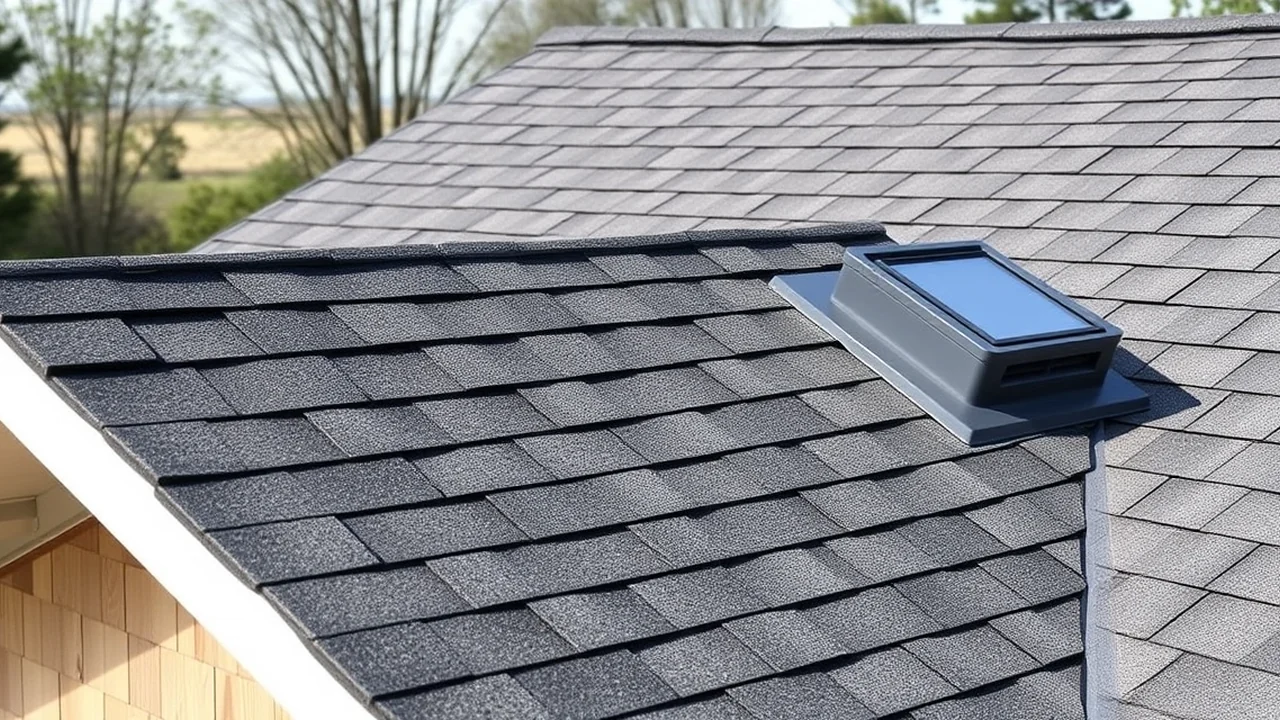
There is no single best vent, only the right vent for your roofline. Here are the intake and exhaust components we combine into one balanced roof vents installation for Indianapolis homes and businesses.
The exhaust workhorse on most pitched roofs. A low-profile ridge vent runs the full peak so hot, moist air leaves evenly across the whole attic instead of through a few hot spots. Paired with full soffit intake, it is the cleanest, quietest balanced system and the one we recommend first.
Exhaust is useless without intake. Continuous or individual soffit vents pull cool, dry air in at the eaves to feed the circuit. We protect this intake with proper baffles so blown-in insulation never buries the airway, a detail that ties directly into our soffit and fascia work.
Where a continuous ridge is short or broken up by hips and dormers, low-profile box vents complete the exhaust path. We calculate how many your square footage needs and place them high on the field so the warm air actually reaches them.
For complex rooflines or chronically hot attics, a solar-powered or hardwired attic fan adds active exhaust. We spec these carefully so they pull from the soffits, not from your air-conditioned rooms, and never short-circuit an existing ridge system.
Older Indianapolis housing stock often relies on gable-end vents. We assess whether to keep, supplement, or retire them, because mixing gable and ridge exhaust incorrectly can disrupt airflow rather than improve it.
We do not just bolt on more vents and hope. Roof ventilation installation starts with math, because adding exhaust to an attic that has no intake makes the problem worse. Our crews measure, calculate, and build the full intake-to-exhaust circuit so air moves the way the physics requires.
An unbalanced attic punishes you in both seasons. In July, trapped heat can push attic temperatures past 150 degrees, baking shingles from below and forcing your air conditioner to fight a furnace overhead. In winter, that same escaping heat melts snow that refreezes at the cold eaves, the exact recipe for the ice dams that lift Indianapolis shingles and back water under them.
Fix the airflow and you protect the entire roof. That is why we frame ventilation as roof protection first and energy savings second, even though a balanced attic delivers both.
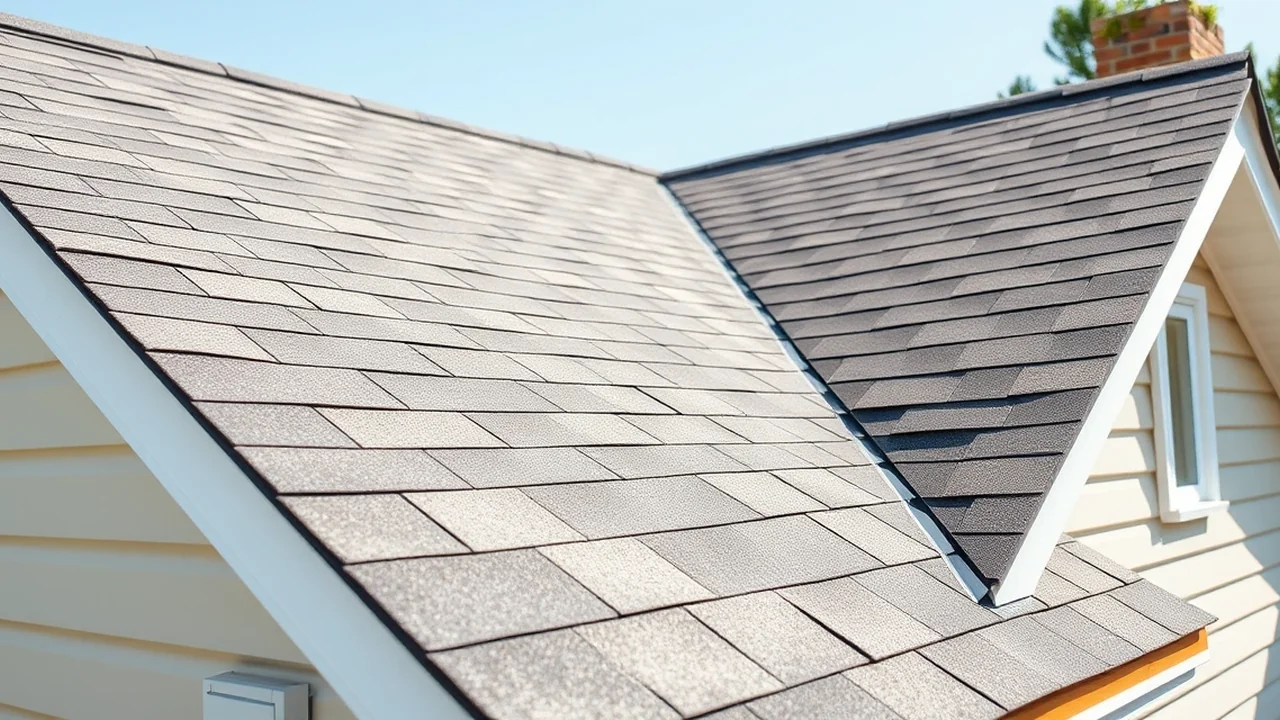
No two attics need the same system. Your roofline, square footage, existing vents, and the Indiana freeze-thaw cycle all change the plan and the price. Here is how we match the solution to your structure.
Building code generally calls for one square foot of net free vent area per 300 square feet of attic floor when intake and exhaust are balanced, split evenly between the two. We measure your attic, calculate the required NFA, and choose vent counts and sizes to hit it. This balance, not the brand of vent, is what makes a system actually work and keeps shingle warranties intact.
A simple gable roof takes a clean continuous ridge with soffit intake. Hip roofs, dormers, and low-slope sections need more creative exhaust placement or hip-ridge venting. On a flat or low-slope commercial deck, ventilation strategy shifts entirely and connects to our Flat & Low-Slope Roofing approach rather than ridge venting.
Most residential ventilation upgrades are a modest line item compared to a reroof, especially when done alongside new shingles or an attic insulation upgrade. Cost rises with roofline complexity, the need to add soffit intake, and powered-vent wiring. We almost always recommend correcting ventilation and insulation together, because a balanced attic and the right R-value protect each other.
Ventilation is rarely a standalone fix. We build it into every Roof Installation & Replacement and pair it with attic insulation so the whole thermal envelope performs as one.
Roof ventilation only delivers its full value when it works with the rest of the system, which is why we treat it as part of our broader Energy Efficiency & Roofing Performance pillar rather than a bolt-on. Balanced airflow protects your shingles, your deck, and your warranty, while matched attic insulation keeps the heat where it belongs and our Roof Repair, Inspection & Maintenance crews catch the moisture and ice-dam problems poor ventilation quietly creates. Whether you run a household in Broad Ripple or a facility off Meridian Street, the goal is the same: a roof engineered to breathe, last, and pay for itself.
Licensed, insured, and OSHA-compliant, with manufacturer-backed materials and a 4.9/5 rating from 500+ neighbors. We engineer systems, not patchwork, and we put it in writing.
“Our attic was an oven and we kept replacing shingles way too soon. Alpha actually measured the airflow, added soffit intake, and cut in a continuous ridge vent. The upstairs is noticeably cooler now and they explained every number instead of just selling us fans.”
Marcus D., Indianapolis
“We had ice dams every single winter. They showed us it was a ventilation and heat-loss problem in the attic, not a gutter problem. After they rebalanced the vents and topped up insulation, last winter was the first with zero ice buildup along the eaves.”
Allison R., Greenwood
“A previous roofer had stacked gable vents and a ridge vent that were fighting each other. Alpha diagnosed the short-circuit, corrected the exhaust, and the musty attic smell is finally gone. Honest, technical, and they cleaned up every nail.”
Derek W., Fishers
Common signs include a scorching-hot upstairs in summer, recurring ice dams in winter, a musty or damp attic smell, frost or moisture on the underside of the roof deck, rusted nail tips in the attic, and shingles that curl or fail years ahead of their rated life. During an assessment we check intake and exhaust balance, look for moisture staining and mold, and measure whether air is actually moving. If any of those red flags are present, your attic is likely under-ventilated or unbalanced.
Balanced ventilation means the intake at your soffits is matched to the exhaust at or near the ridge, so a steady current of air flows through the attic. Exhaust without enough intake starves the roof and can even pull conditioned air out of your home; intake without exhaust does nothing. Building guidance generally calls for one square foot of net free vent area per 300 square feet of attic, split evenly between intake and exhaust. Getting that ratio right, not just adding more vents, is what protects your shingles and keeps the attic dry.
In most Indianapolis homes, yes, when it is combined with proper insulation and air sealing. Ice dams form when heat escaping into the attic melts snow that then refreezes at the cold eaves. Balanced ventilation keeps the roof deck cold and uniform so snow melts evenly instead of pooling and refreezing. We address ventilation, insulation, and air leaks together because fixing only one rarely solves the dam permanently.
It can. Most major shingle manufacturers require balanced intake and exhaust ventilation as a condition of their warranty, because trapped attic heat and moisture dramatically shorten shingle life. If your attic ventilation is inadequate, a future claim can be denied. Proper roof ventilation installation protects both your shingles and your warranty coverage, which is one reason we verify it on every roof we touch.
For most homes a ventilation upgrade is a modest line item compared to a full reroof, and it is most cost-effective when done alongside new shingles or an attic insulation upgrade. Price depends on roofline complexity, whether soffit intake needs to be added, the vent types specified, and any powered-vent wiring. We measure your attic, calculate the net free area you actually need, and give you a clear scope rather than a one-size-fits-all number.
For most pitched Indianapolis roofs, a continuous ridge vent paired with full soffit intake is the quietest and most effective system because it exhausts evenly across the whole attic. Static box vents fill in where a ridge run is short or interrupted by hips and dormers. Solar or powered fans help on complex or chronically hot attics, but only when they pull from the soffits and do not short-circuit an existing ridge system. We choose based on your roofline and airflow needs, not a one-size formula.