
Siding costs $6,000 to $22,000 to install on an average Indianapolis home in 2026, or roughly $4 to $14 per square foot installed depending on the material. Vinyl sits at the affordable end ($4-$8/sq ft), fiber cement runs mid-range ($8-$13/sq ft), and engineered wood or premium materials push toward the top of that range. For a typical 1,800-square-foot two-story house with about 1,500 square feet of wall area, most homeowners land between $9,000 and $16,000.
Those are wide ranges, and that is honest reality rather than vagueness. Your final number depends on the material you choose, the size and shape of your walls, how much old siding has to be torn off, and whether the crew finds rot or water damage underneath. This guide breaks down Central Indiana siding pricing the way we approach every project at Alpha Holistic Roofing: as a complete wall system, not a patchwork of square-foot guesses. We will walk through cost by material, the hidden line items that move the total, and how Indiana's climate should shape your decision.
The single biggest factor in your siding budget is the material itself. Indiana homeowners have five mainstream choices, and the installed cost (material plus labor) varies dramatically between them. The figures below reflect 2026 Central Indiana pricing for standard installation on a straightforward wall surface.
Keep in mind that siding is measured by the square in the trade, where one square equals 100 square feet of wall. When a contractor quotes 'per square,' multiply the per-square-foot price by 100. We quote per square foot below so the numbers are easy to compare against a roofing estimate.
To turn per-square-foot numbers into a real budget, you need your home's wall area, not its floor area. A common mistake is to use square footage from a real estate listing, which describes interior living space. Wall area is usually larger on multi-story homes and smaller on sprawling ranches.
Here is how the math typically plays out for common Indianapolis house sizes, using mid-grade material as the reference point. These totals include tear-off, house wrap, and standard trim but exclude major repairs.
A few examples: a 1,200 sq ft ranch (roughly 1,000 sq ft of wall) runs about $5,000-$11,000 in vinyl or $8,000-$13,000 in fiber cement. A 1,800 sq ft two-story (about 1,500 sq ft of wall) runs $7,000-$13,000 in vinyl or $12,000-$18,000 in fiber cement. A larger 2,500 sq ft home (about 2,200 sq ft of wall) can reach $10,000-$18,000 in vinyl or $17,000-$26,000 in fiber cement.
If you are weighing siding alongside other exterior work, our siding and exterior wall protection team can scope the full envelope so trim, flashing, and rooflines are coordinated rather than handled piecemeal.
Two homes of identical size can receive quotes thousands of dollars apart, and the difference usually lives in line items most homeowners never think about. Understanding these protects you from a quote that looks cheap until the crew is already on site.
When you compare estimates, make sure each one accounts for the same scope. A bid that excludes tear-off or assumes no wall repairs is not actually lower; it is just incomplete.
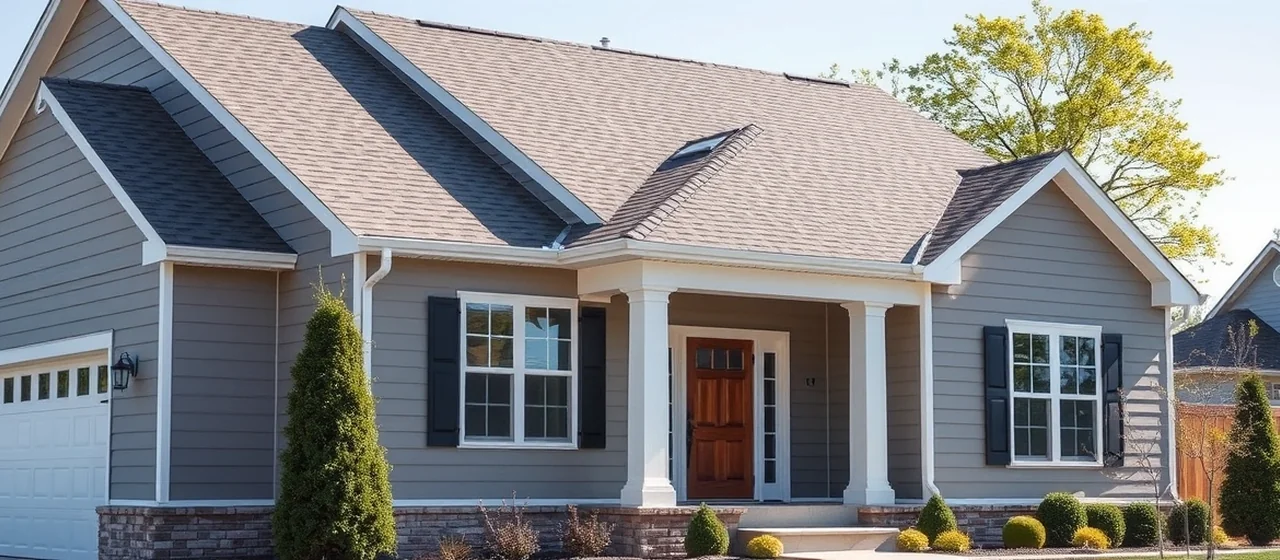
Central Indiana puts siding through a brutal annual cycle: humid 90-degree summers, heavy spring rain, and dozens of freeze-thaw swings each winter where temperatures cross 32 degrees repeatedly. Water gets into small gaps, freezes, expands, and pries materials apart over time. Choosing siding purely on price ignores how each material survives this.
Vinyl handles freeze-thaw well because it flexes, but cheap thin-gauge vinyl can crack in extreme cold or warp near heat sources. Fiber cement and engineered wood resist Indiana's moisture and temperature swings exceptionally well, which is why they carry longer warranties. Natural cedar looks stunning but demands the most upkeep in our wet climate.
Climate also connects siding to the rest of your wall system. Poor roof ventilation or failing gutters dump water against your walls and shorten the life of any siding. We treat the wall as one system, which is why a proper gutter installation is often recommended alongside a re-side. Protecting the wall from above keeps your siding investment intact for decades.
Storm season matters too. Indiana sees regular spring and summer hail and high winds, and siding damage frequently accompanies roof damage. If a storm hits, our storm and emergency roofing crew can assess siding and roof together so you file one complete insurance claim.
For most Indianapolis homeowners, the real decision comes down to vinyl versus fiber cement. The cheapest option is not always the best value once you factor in lifespan and maintenance.
Vinyl is the budget-friendly workhorse. It costs roughly half what fiber cement does, never needs painting, and a quality install lasts 20-40 years. Its weaknesses are appearance (it can look less premium) and durability under impact, though modern thick-gauge vinyl has narrowed that gap considerably.
Fiber cement, sold most commonly as James Hardie board, costs more up front but resists fire, insects, rot, and impact, and it holds a painted finish for over a decade. It can last 30-50 years in our climate. If you plan to stay in the home long-term or want curb appeal that reads as premium, the higher cost often pays back over the lifespan.
There is no universally 'right' answer; there is a right answer for your budget, how long you will own the home, and the look you want. A holistic estimate weighs all three rather than pushing the highest-margin product.
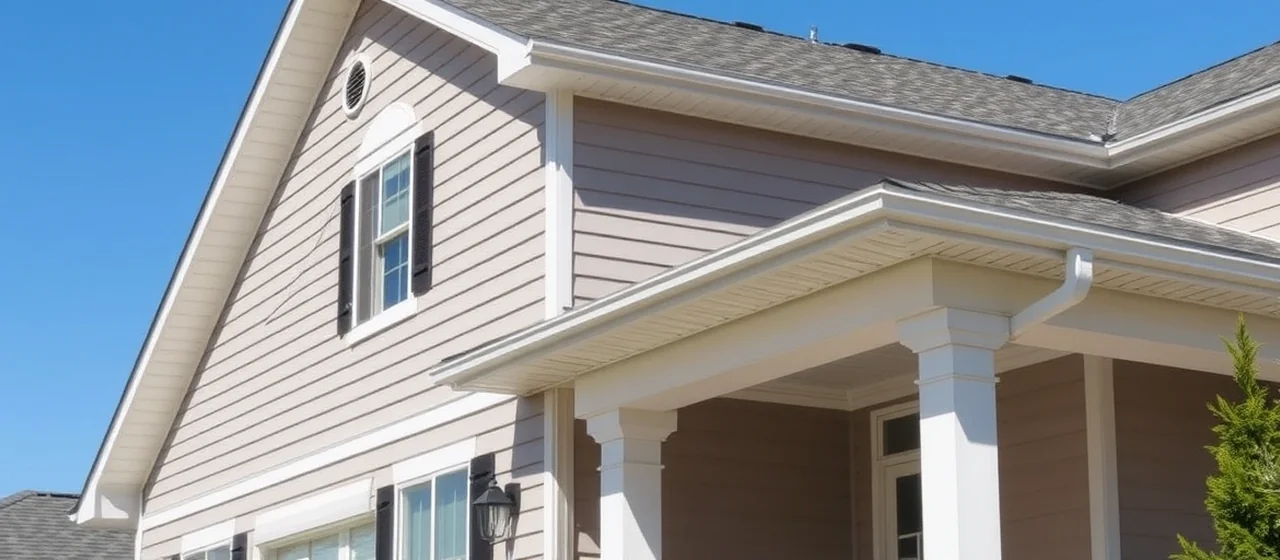
Many Indiana homeowners discover that siding and roof age out around the same time, since both were often installed when the house was built. Tackling them together can save on mobilization, scaffolding, and disposal, and it ensures the flashing where the roof meets the walls is integrated correctly.
If your roof is also nearing end of life, it is worth pricing both at once. Our guides on roof replacement cost in Indianapolis and roof repair cost help you see the full exterior picture. A combined roof installation and replacement and siding project is often more cost-effective than two separate calls a year apart.
Even if you are only doing siding now, a quick roof and gutter check during the estimate is smart. Catching a small roof issue before it dumps water behind brand-new siding protects the work you are about to pay for.
Alpha Holistic Roofing scopes your full wall system - tear-off, moisture barrier, trim, and flashing - so you get a real number, not a teaser quote. Engineered systems, not patchwork.
Explore Siding ServicesCall (219) 221-9617Siding an average Indianapolis home costs $6,000 to $22,000 in 2026, or about $4-$14 per square foot installed. A typical 1,800 sq ft two-story home runs $9,000-$16,000 depending on whether you choose vinyl or fiber cement.
Vinyl siding is the cheapest mainstream option at roughly $4-$8 per square foot installed. It is low-maintenance and handles Indiana's freeze-thaw cycles well, making it the most popular choice for budget-conscious homeowners.
For long-term owners, often yes. Fiber cement (Hardie board) costs about double vinyl but resists fire, rot, insects, and impact, holds paint for 10-15 years, and lasts 30-50 years in Indiana's climate, so the higher price spreads across a longer lifespan.
Tear-off is strongly recommended. Siding over old material is cheaper but hides rot and water damage, can trap moisture, and may void warranties. Removal also lets the crew inspect and repair the sheathing underneath before new siding goes on.
Vinyl lasts 20-40 years, engineered wood about 30-40 years, and fiber cement 30-50 years in Central Indiana. Lifespan depends heavily on proper installation, flashing, and gutters that keep water away from the walls.
If both are aging out together, doing them at once often saves on setup, scaffolding, and disposal, and it ensures the flashing where the roof meets the walls is integrated correctly so water cannot get behind your new siding.