
Attic insulation costs most Indianapolis homeowners between $1,500 and $4,500, or roughly $1.50 to $4.50 per square foot installed, depending on the material, the R-value you target, and whether old insulation has to be removed first. A standard blown-in fiberglass or cellulose top-up on a 1,000-square-foot attic typically lands around $1,800 to $2,800, while a full spray-foam job or a tear-out-and-replace can push past $5,000.
Attic insulation is one of the highest-return upgrades you can make on a Central Indiana home, precisely because of our climate. Indianapolis winters drive heat straight up and out through an under-insulated attic, and our humid summers force your air conditioner to fight heat soaking down from a 130-degree attic. Below we break down what you actually pay, what changes the number, and how insulation ties into the rest of your roof system so you spend once and spend right.
Most attic insulation pricing is quoted per square foot of attic floor, then adjusted for depth (R-value), material, and access. Here is the realistic range Central Indiana homeowners see in 2026 for a typical project, before any removal work.
These figures assume a reasonably accessible attic with standard truss spacing. Steep roofs, low headroom, finished bonus rooms, and difficult access raise labor and therefore price.
Two homes the same size can get very different quotes. The biggest single variable is how much insulation you already have. Adding a few inches of blown-in over existing insulation (a top-up) is far cheaper than tearing out wet, rodent-damaged, or compacted material and starting clean.
Material choice is the next lever. Blown-in fiberglass and cellulose are the value picks for an open attic floor. Spray foam costs more per square foot but seals air leaks at the same time, which matters if you are insulating the underside of the roof deck to create a conditioned attic.
Access and complexity quietly add up. A walk-up attic with full headroom is cheap to work in; a 24-inch crawl space over a 1980s ranch is slow and labor-heavy. Other cost factors include the R-value target, the number of obstructions (HVAC equipment, ductwork, recessed lights that need fire-rated covers), and any air-sealing or ventilation work bundled in.
Indianapolis sits in DOE/ENERGY STAR Climate Zone 5, which calls for attic insulation of R-49 to R-60. In practical terms that is about 14 to 18 inches of blown-in fiberglass or cellulose, or roughly 8 to 10 inches of closed-cell spray foam. Many homes built before the 2000s were finished at R-19 to R-30 and have since settled, so they fall well short.
R-value is the rating of how well a material resists heat flow, and it is why depth matters. If you can see the tops of your ceiling joists when you look across the attic floor, you almost certainly do not have enough. A quick way to confirm both insulation depth and the condition of the surrounding roof system is to book a professional roof inspection, which looks at ventilation, deck moisture, and insulation together rather than in isolation.
Getting to the right R-value is not just about comfort. In our freeze-thaw winters, an under-insulated attic lets warm air escape into the attic, melts snow on the roof, and feeds ice dams that back water up under your shingles. Proper insulation depth is a frontline defense against that damage.
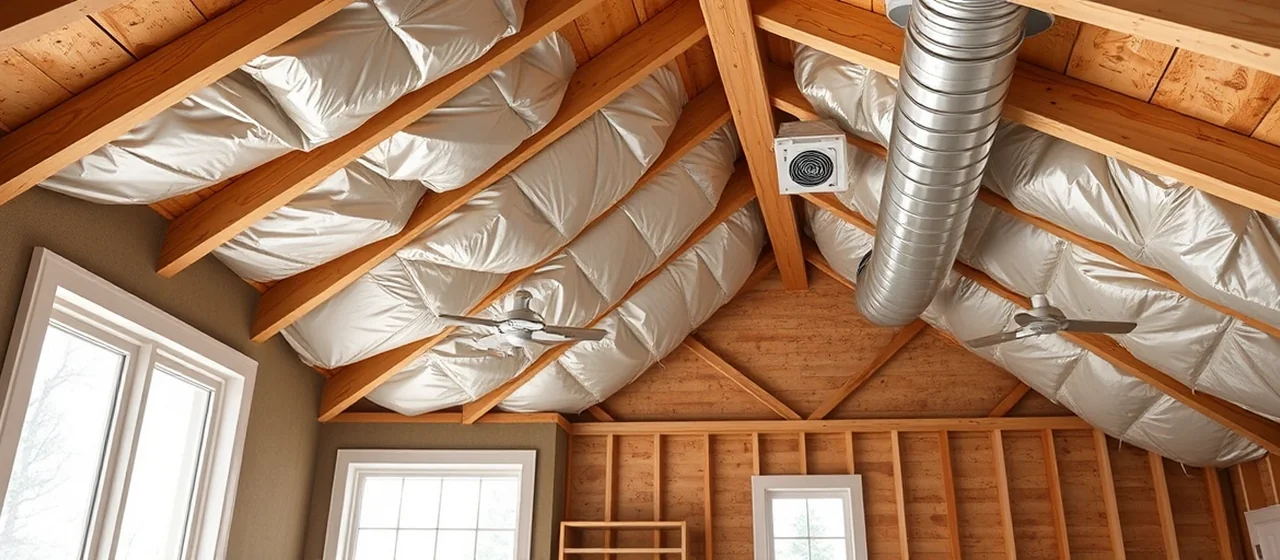
The right material depends on your attic layout and goals. Here is how the common options stack up for a Central Indiana home.
If your attic floor is open and you just need more R-value, blown-in is almost always the best value. If you are converting the attic into conditioned space, sealing a tricky roofline, or fighting persistent air leaks, spray foam earns its higher price.
Insulation slows heat from conducting through the ceiling, but it does almost nothing about air leaks. Gaps around recessed lights, the attic hatch, plumbing stacks, and the top plates of walls let conditioned air pour out. Sealing those leaks before you insulate is one of the cheapest, highest-impact steps in the whole project, and a good contractor includes it.
Ventilation is the other half of a healthy attic. With a vented attic, you still want balanced intake and exhaust so moisture and summer heat can escape; that is where proper roof ventilation and intake baffles matter. If you go the spray-foam route and seal the roof deck, you are intentionally creating an unvented, conditioned attic, which changes the ventilation strategy entirely. Either path can work, but mixing them by accident traps moisture and rots sheathing.
This is exactly why we approach attics as a system rather than a single product. Insulation, air sealing, ventilation, and the roof above all interact. Our attic insulation services and broader energy-efficiency roofing work are designed to engineer the whole assembly instead of patching one layer.
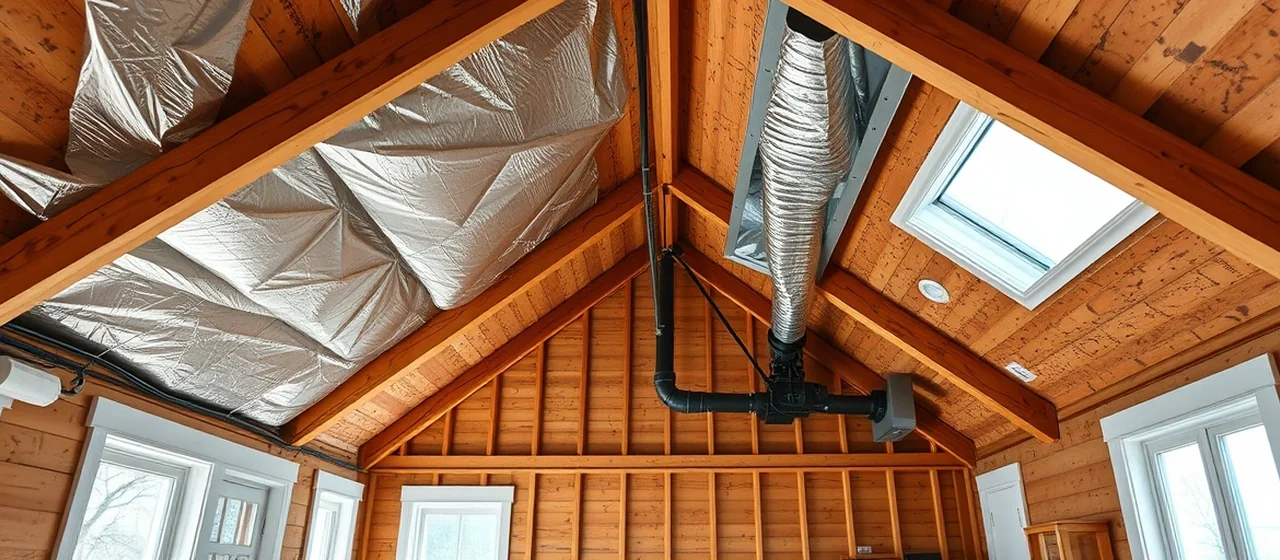
Attic insulation is one of the few home upgrades that pays you back every month. The U.S. Department of Energy estimates homeowners can save roughly 10 to 20 percent on heating and cooling costs by air sealing and properly insulating the attic. On an Indianapolis home with a $250-per-month combined heating and cooling bill, that can mean $300 to $600 back in your pocket each year.
At those savings, a $2,000 to $3,000 blown-in project commonly pays for itself in four to seven years, then keeps saving for the 20-plus-year life of the insulation. Federal energy-efficiency tax credits and occasional utility rebates can shorten that payback further, so it is worth asking your contractor and checking current programs before you book.
Beyond the bill, the comfort change is immediate: fewer cold floors and drafty rooms in January, and upstairs bedrooms that finally stay cool in July. The HVAC system also runs less, which extends its life.
The smartest time to address attic insulation is when other roof work is already happening, because the access and labor overlap. If you are scheduling a roof installation or replacement, the attic is open and a contractor can correct insulation depth, air seal, and add baffles in the same visit.
Storm season in Central Indiana is another natural trigger. After wind or hail damage compromises the roof, water often finds its way into insulation, which then mats down and loses most of its R-value. Replacing wet insulation during the repair restores both performance and indoor air quality. If you suspect a leak has already soaked your attic, start with a roof leak repair to stop the source before re-insulating.
Treating insulation as part of the roof system, not an afterthought, is how you avoid paying twice. There is little point in laying fresh insulation under a deck that still leaks or an attic that cannot breathe.
Alpha Holistic Roofing engineers the whole attic system - insulation, air sealing, and ventilation - so you spend once and spend right. Get a clear, honest quote for your Indianapolis home.
Explore Energy-Efficiency RoofingCall (219) 221-9617Most Indianapolis homes cost $1,500 to $4,500 to insulate, or about $1.50 to $4.50 per square foot installed. A standard blown-in top-up on a 1,000-square-foot attic usually runs $1,800 to $2,800, while spray foam or a full tear-out-and-replace can exceed $5,000.
Indianapolis is in Climate Zone 5, which calls for R-49 to R-60 in the attic. That is roughly 14 to 18 inches of blown-in fiberglass or cellulose, or about 8 to 10 inches of closed-cell spray foam.
For an open attic floor that just needs more R-value, blown-in fiberglass or cellulose is the best value. Spray foam costs more but also air-seals, which makes it the better choice for creating a conditioned attic or sealing a complex roofline.
Yes. Under-insulated attics let warm air escape, melt rooftop snow, and feed ice dams that back water under your shingles. Proper insulation depth combined with air sealing and balanced ventilation is a frontline defense against ice dams in Indiana winters.
Because attic insulation can cut heating and cooling costs by roughly 10 to 20 percent, a $2,000 to $3,000 project commonly pays for itself in four to seven years, then keeps saving for the 20-plus-year life of the insulation.
Not always. If existing insulation is dry and in good shape, you can usually top it up, which is cheaper. Removal (adding $1 to $2 per square foot) is needed when insulation is wet, moldy, rodent-damaged, or badly compacted.