
A professional roof inspection checklist covers seven core areas: (1) shingles and surface materials, (2) flashing and roof penetrations, (3) gutters and drainage, (4) the roof deck and structure, (5) attic ventilation and insulation, (6) signs of moisture or leaks, and (7) the overall roof system age and remaining service life. A real inspection looks at how these parts work together as a system, not just whether one shingle is curling.
That systems view matters a lot in Central Indiana. Indianapolis roofs take a beating from freeze-thaw cycles every winter, severe spring and summer storms with hail and straight-line wind, and humid summers that push moisture into attics. A checklist that ignores ventilation or flashing can pass a roof that is actually months away from a leak. Below is the same 7-point framework a holistic roofing crew uses on an Indianapolis home, what each item really means, and how to tell whether you need a quick DIY look or a full professional roof inspection.
Most homeowners picture a roof inspection as someone glancing at the shingles for missing pieces. A professional inspection is broader: it treats the roof as one connected system where the covering, flashing, drainage, deck, ventilation, and attic all depend on each other. A roof can have flawless-looking shingles and still be failing because the attic is trapping moisture or the flashing around a chimney has lifted a quarter inch.
This is the heart of a holistic approach. We engineer and inspect systems, not patchwork. When one component is checked in isolation, the inspection misses the chain reactions that cause most Indianapolis roof failures, where a small ventilation problem leads to ice dams, which lift shingles, which let water reach the deck. The seven items below are ordered the way a pro actually moves through a roof, from the surface down into the attic.
The covering is the first line of defense and the first thing a pro evaluates. On an asphalt-shingle roof, the inspector looks for missing, cracked, curling, or buckling shingles, plus bald spots where the protective granules have worn away. Granule loss is a big one in Indiana: heavy granules collecting in your gutters often signal that shingles are near the end of their life or were bruised by hail.
The inspector also checks how the surface has aged overall. Freeze-thaw cycling, where water seeps under shingle edges, freezes, expands, and lifts them, is a leading cause of premature wear here. On metal or tile, the focus shifts to fastener condition, panel seams, and coating wear. If the surface shows widespread damage rather than a few isolated spots, the conversation moves toward roof replacement rather than spot repair.
Flashing is the metal that seals the joints where the roof plane meets something else, like a chimney, skylight, vent pipe, or wall. It is responsible for a large share of leaks, and it is the area DIY checks miss most often. A pro inspects every penetration for lifted, rusted, cracked, or improperly sealed flashing, along with the rubber boots around plumbing vents, which dry out and split over time.
Valleys, where two roof slopes meet, get special attention because they carry the most water and the most ice during Indiana winters. Failed step flashing along a wall or a cracked vent boot can let water in long before any shingle looks bad. If the inspection turns up flashing problems, that is usually a targeted roof leak repair rather than a full reroof, which is exactly why catching it early saves money.
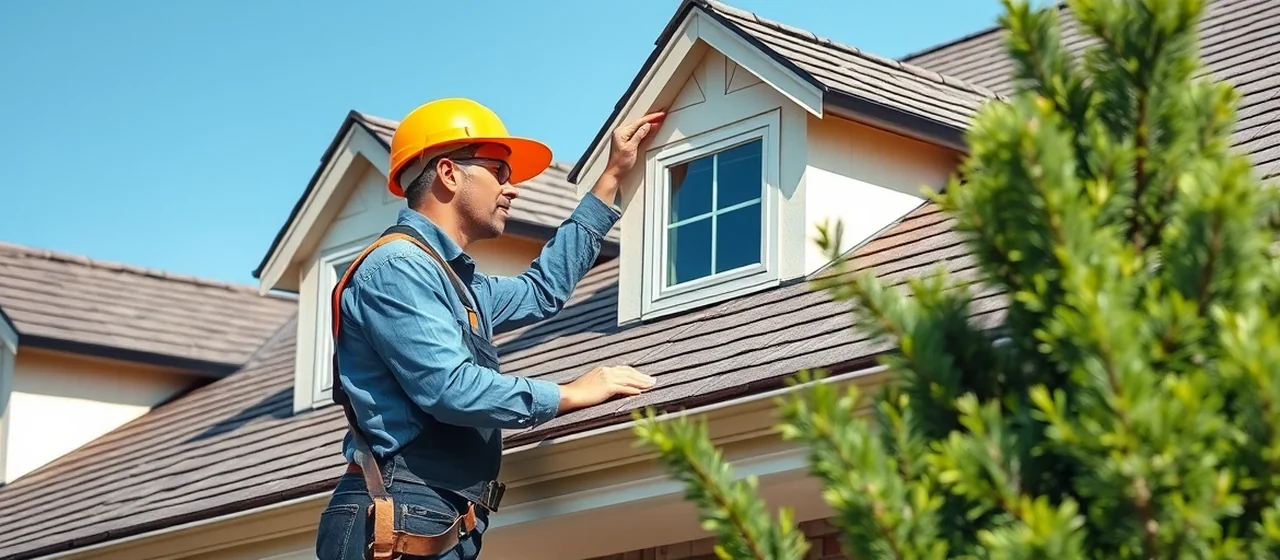
Water has to leave the roof fast and completely, and the gutter system is what makes that happen. The inspector checks that gutters are securely fastened, properly pitched, and free of debris, and that downspouts carry water well away from the foundation. Clogged or sagging gutters back water up under the shingle edge, which is one of the quickest ways to rot a roof deck and fascia.
In Indianapolis, drainage and ice are tightly linked. When gutters clog and water freezes at the eaves, ice dams form and force meltwater back up under the shingles. The pro also looks at the drip edge and fascia for rot and confirms the eaves are protected. If the gutters are undersized, leaking, or pulling away, upgrading the gutter system is often the single most cost-effective way to protect the whole roof.
Under the shingles and underlayment is the roof deck, usually plywood or OSB, and the framing that holds everything up. A pro reads the deck from two directions: walking the roof to feel for soft, spongy, or sagging spots, and inspecting the underside from inside the attic for stains, delamination, or daylight showing through.
Sagging rooflines, dips between rafters, or a deck that feels soft underfoot point to long-term water intrusion or structural fatigue. This is where small surface leaks turn into expensive problems, because once the deck is compromised it has to be replaced before new roofing goes down. Catching deck damage early is one of the strongest arguments for routine inspection and maintenance rather than waiting for a visible ceiling stain.
The attic is where holistic and surface-only inspections part ways, and it may be the most important item on the list for Indiana homes. The inspector checks that intake vents (usually at the soffits) and exhaust vents (ridge or gable) are balanced, unblocked, and actually moving air. Poor ventilation traps heat and humidity, which bakes shingles from below in summer and feeds ice dams in winter.
Insulation is checked at the same time. Gaps, compressed batts, or insulation blocking the soffit vents all hurt the roof system. Good attic insulation and airflow keep the roof deck cold and even in winter, which is the real fix for recurring ice dams. If the inspection finds ventilation or insulation problems, addressing attic insulation and airflow often extends the life of the shingles above it by years.
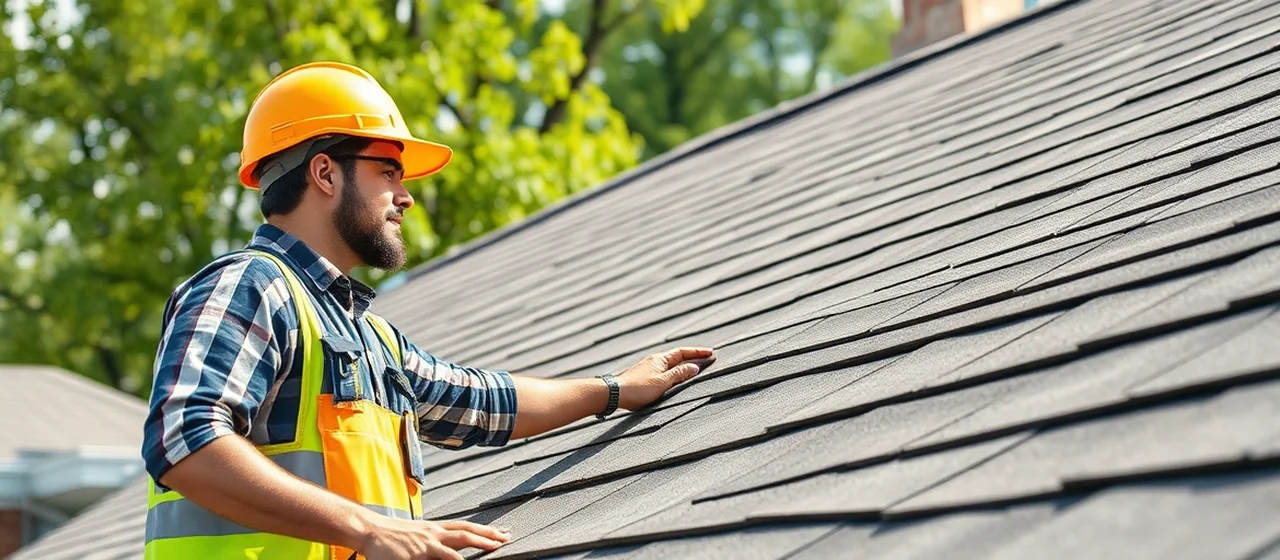
A pro actively hunts for water evidence rather than waiting for an obvious drip. Inside, that means water stains on ceilings and upper walls, peeling paint, and dark or discolored areas on the attic deck and rafters. Outside, it means tracing where water has been concentrating around penetrations and valleys. Moisture meters or infrared cameras are sometimes used to find trapped water that has not yet reached the ceiling.
After Indiana's spring and summer storms, the inspection specifically looks for hail and wind damage: bruised or cracked shingles, dented metal, displaced or creased shingles from high wind, and granules washed into the gutters. This documentation matters for insurance. If a storm is the cause, a prompt hail damage roof repair or emergency response protects both the home and any claim you may file.
The final step ties everything together: the inspector estimates how much service life is left and whether repairs or replacement make more sense. Age is a major factor. A typical asphalt-shingle roof in Central Indiana lasts roughly 18 to 25 years depending on quality, ventilation, and storm history, with architectural shingles outlasting basic 3-tabs. Metal and premium systems last considerably longer.
A pro weighs age against the condition found in the first six checks. A 12-year-old roof with one bad flashing detail is an easy repair. A 22-year-old roof with granule loss, soft deck spots, and poor ventilation is usually past the point where repairs pay off. An honest inspection should give you a clear verdict, photos of the evidence, and a recommendation you can act on, whether that is a maintenance plan, targeted repairs, or planning for a new roof.
Want all 7 of these checks done right, with photos and an honest verdict instead of a sales pitch? Alpha Holistic Roofing inspects your roof as a complete system and tells you exactly where it stands. Call (219) 221-9617 or schedule your Indianapolis roof inspection today.
Schedule a Roof InspectionCall (219) 221-9617A professional roof inspection includes the roof surface (shingles or panels), all flashing and penetrations, gutters and drainage, the roof deck and structure, attic ventilation and insulation, signs of moisture or storm damage, and an overall assessment of the roof's age and remaining service life. A thorough inspector evaluates how these parts work together as a system and provides photos plus a clear repair-or-replace recommendation.
Have your roof professionally inspected at least once a year, ideally in spring or fall, and again after any major hail or wind storm. Indianapolis roofs face freeze-thaw cycles, ice dams, and severe storm season, so an annual check plus a post-storm look catches damage early. You should also get an inspection before buying or selling a home.
You can do a basic visual check from the ground with binoculars, looking for missing or curled shingles, granules in the gutters, sagging lines, and ceiling stains inside. However, the items that cause most leaks, such as flashing condition, deck integrity, and attic ventilation, are hard to assess safely and accurately without training. For an honest verdict and insurance-grade documentation, hire a professional and stay off the roof yourself.
Many roofing contractors in Central Indiana offer free or low-cost inspections, especially after storms, while detailed certified or drone inspections may carry a fee. The bigger value is what an inspection prevents: catching a flashing or deck problem early can save thousands compared with the water damage and structural repairs that follow an ignored leak.
The clearest warning signs are interior ceiling or wall stains, missing or curling shingles, granules collecting in your gutters, daylight or damp insulation in the attic, sagging rooflines, and ice dams forming at the eaves in winter. Any of these means it is time for a professional inspection before a small issue becomes a major repair.
Yes. A professional inspection documents hail and wind damage with photos and a written report, which is often required to support a storm-damage insurance claim. Getting an inspection promptly after a major Indiana storm also helps establish that the damage came from that event, strengthening your claim and ensuring repairs happen before further water intrusion.