
Most DIY roof repair should stop at the gutter line: clearing debris, sealing a single exposed nail head, replacing one cracked asphalt shingle, or tarping a leak in an emergency are reasonable do-it-yourself tasks for a fit homeowner with the right safety gear. Anything involving active leaks, flashing, valleys, steep or wet roofs, structural decking, or warranty-covered work belongs to a licensed roofer. The cutoff is not about pride, it is about physics, water, and the cost of getting it wrong.
In Central Indiana, roofs take a beating. Freeze-thaw cycles pry shingles loose all winter, spring hail season punches granules off in minutes, and summer storms drive rain sideways under any flashing that is not perfectly sealed. That climate makes small problems common, which is exactly why so many Indianapolis homeowners ask what they can safely handle themselves and where the line is. This guide draws that line clearly so you can fix what is genuinely fixable and recognize when a quick patch will quietly cost you far more than a professional repair would have.
A handful of roof tasks are low-risk enough for a careful homeowner, provided you have stable footing, a spotter, and dry weather. These are the jobs where a mistake is recoverable and the height risk is manageable from a ladder or a low-slope section.
Even on these tasks, treat the roof as a fall hazard first and a project second. Most serious roofing injuries in Indiana happen on dry, mild days during routine maintenance, not during storms, because people get comfortable.
Some repairs look simple from the ground and turn out to be the most expensive mistakes a homeowner can make. The common thread is that they involve water management systems or structure, where an invisible error keeps damaging the home long after the surface looks fixed.
Flashing is the clearest example. The metal flashing around chimneys, skylights, walls, and valleys is what actually keeps water out at the roof's weakest joints. Sealing over failed flashing with caulk hides the problem for a season, then the leak returns inside the wall instead of on the roof, where you cannot see it until drywall is stained or framing is rotted. Proper flashing repair belongs to a roof leak repair professional.
Central Indiana's weather is uniquely hard on amateur repairs. Our freeze-thaw cycle means water that sneaks under a poorly sealed shingle freezes overnight, expands, and pries the repair open by morning. A patch that looks solid in October can be lifted and leaking by February.
Ice dams make this worse. When attic heat melts rooftop snow that then refreezes at the cold eaves, water backs up under the shingles, sometimes feet above the gutter line. A surface-level DIY fix does nothing for an ice dam because the real cause is ventilation and insulation, not the shingles themselves. Solving it usually means improving attic insulation and roof ventilation so the roof deck stays uniformly cold.
Hail and high-wind events add another trap. After a storm you might replace the obviously cracked shingles, but hail bruising and loosened seals across the whole slope are easy to miss from a ladder. That hidden damage shortens the roof's life and is exactly what a trained eye looks for during a professional inspection.
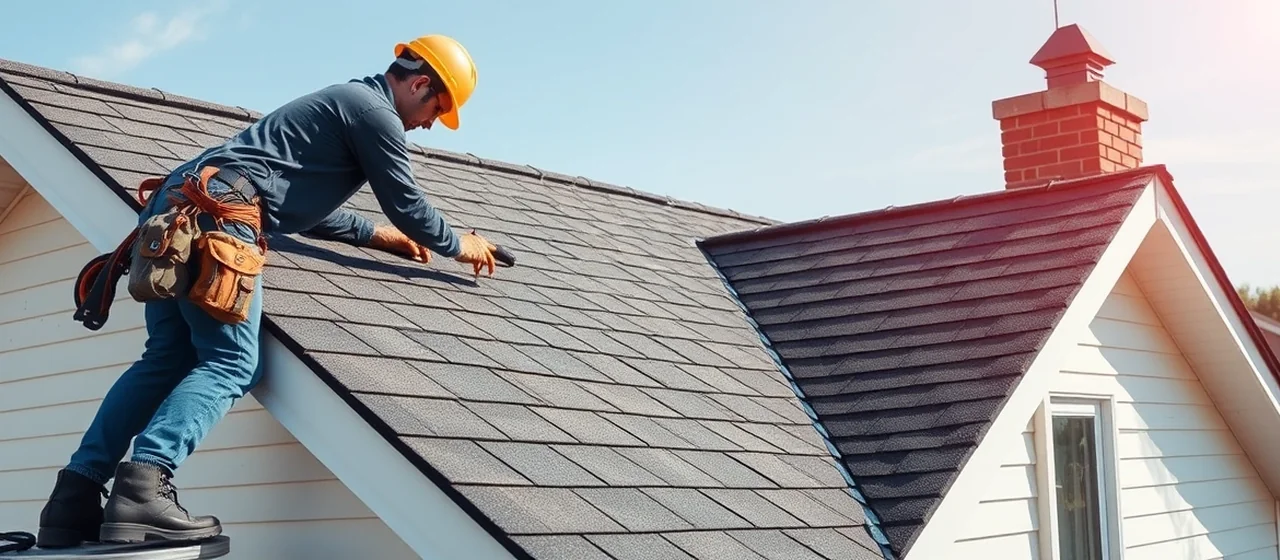
If you have decided a single cracked shingle is within your comfort zone, here is the disciplined version of the job. Do it on a cool, dry, overcast day so the shingles are flexible but not slippery, and never when the sealant strips are baking and brittle in direct summer heat.
If at any step you find the decking underneath is soft, the surrounding shingles tear easily, or the damage is larger than you thought, stop and call a roofer. Forcing it usually creates a bigger problem than the one you started with.
The cheap repair is rarely the cheap repair. When a DIY fix fails, the bill usually arrives as several stacked problems instead of one shingle. Water that gets past a patch travels along the decking, soaks insulation, feeds mold, and stains ceilings, so a $20 tube of sealant can lead to four-figure interior repairs.
There is also the warranty issue. Many asphalt and metal roofing manufacturers void their material warranty if non-approved repairs or sealants are used, and most workmanship warranties from your original installer end the moment someone else, including you, works on the roof. A repair that saves you a service call today can quietly erase thousands of dollars of coverage.
Finally, DIY work can complicate insurance. If a storm later damages the roof and an adjuster finds amateur modifications around the failure point, the claim can be reduced or denied. When damage is storm-related, it is almost always worth having a pro document it through proper roof inspection before anyone touches it. You can compare the real numbers in our guide to roof repair cost in Indianapolis.
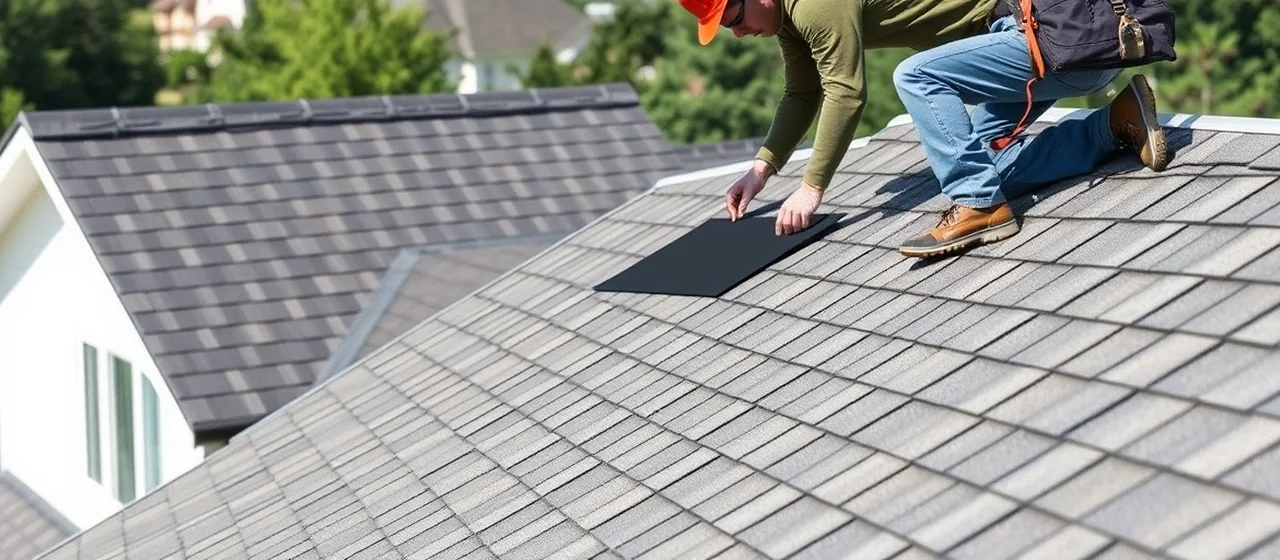
The honest rule of thumb is this: if the repair involves water-management details, structure, height, or your warranty, hand it off. A professional repair is engineered to integrate with the rest of the roof system rather than sitting on top of it as a patch, which is the difference between a fix that lasts a decade and one that lasts a season.
Alpha Holistic Roofing's philosophy is to engineer systems, not patchwork. Many leaks people assume need a full tear-off are genuinely repairable, and many small fixes that homeowners attempt should have been a five-minute call. A proper diagnosis tells you which is which. Explore our full roof repair, inspection, and maintenance services, and if a storm is the cause, our storm and emergency roofing team can tarp, document, and repair in one coordinated visit.
Get an honest assessment before a small problem becomes a big one. Alpha Holistic Roofing inspects, diagnoses, and repairs Indianapolis roofs the right way, engineering lasting systems instead of patchwork. Call (219) 221-9617 for a straight answer.
Schedule a Roof Repair or InspectionCall (219) 221-9617Minor DIY roof repair can be safe for a fit homeowner with proper fall protection, a spotter, and dry weather, limited to tasks like clearing debris, sealing a single nail, or replacing one cracked shingle. Active leaks, flashing, steep or wet roofs, and structural work are not safe to DIY and should go to a licensed roofer.
Usually no. The visible water stain is rarely directly below where water actually enters, so tracing a leak takes experience. A temporary tarp to stop active water intrusion is reasonable, but the permanent repair, especially around flashing or valleys, should be done by a professional to avoid recurring hidden damage.
It often can. Many roofing manufacturers void their material warranty if non-approved sealants or repairs are used, and most workmanship warranties from your installer end as soon as anyone other than that contractor works on the roof. Check your specific warranty terms before attempting any repair.
Caulking over failed flashing. Sealant hides the problem for a season, then the leak returns inside the wall instead of on the roof surface, leading to rotted framing and stained drywall. Flashing repairs require integrating the metal correctly with the roof layers, not covering them with caulk.
No. Have a professional inspect and document the damage first. Amateur repairs around a failure point can reduce or void a claim, and adjusters need to see the original damage. After documentation, a roofer can tarp the area to prevent further water intrusion while the claim proceeds.
Stop if you see interior water stains or attic daylight, if the damage involves flashing, chimneys, skylights, or valleys, if the roof is steep, tall, or wet, or if shingles crumble when handled. Storm-related damage tied to an insurance claim should also always go to a professional.