
After a storm damages your roof, work in this order: make sure your family is safe, stop active water intrusion with a tarp or bucket, photograph everything before you touch it, call a licensed roofer for an emergency inspection, and then file your insurance claim with that documentation in hand. Acting in this sequence protects both your home and your claim.
In Central Indiana, severe thunderstorms, straight-line winds, and hail roll through every spring and summer, and the freeze-thaw cycles that follow can turn a small storm wound into a major leak by winter. This guide walks you through exactly what to do in the hours and days after a storm hits your Indianapolis-area roof, so you avoid the expensive mistakes most homeowners make under pressure. At Alpha Holistic Roofing, our philosophy is to engineer a system, not patch a symptom, and that starts with the right first moves.
Before you think about the roof itself, secure the people inside the home. A storm-damaged roof can mean compromised attic structure, electrical hazards from water reaching wiring, and loose debris that may still fall. Your first job is to remove risk, not to assess shingles.
If you see sagging ceilings, bulging drywall, or water dripping near light fixtures and outlets, treat it as an electrical hazard. Shut off power to affected rooms at the breaker and keep people away from those areas. Water pooling above a ceiling can collapse it without warning, so move furniture and valuables out from underneath if you can do so safely.
Stay off the roof. Wet decking, hidden soft spots, and unstable footing cause far more serious injuries than the storm itself. Inspecting and tarping a roof after a storm is work for trained crews with fall protection, which is exactly what an emergency roof repair team is equipped to handle.
Once people are safe, your goal is to limit how much water gets into your home. Water is the real enemy after a storm. A single penetration can soak insulation, rot decking, and feed mold for weeks if it is not controlled quickly. Even a modest leak left alone over an Indiana winter can freeze, expand, and widen the damage.
Inside, place buckets or bins under active drips and lay down towels or plastic sheeting to protect flooring. If water is bulging a ceiling, you can carefully puncture a small hole at the lowest point with a screwdriver to let it drain into a bucket, which relieves pressure and prevents a larger collapse. Move electronics, documents, and valuables away from the affected zone.
For the roof itself, a professional emergency tarp is the safest temporary fix. A properly installed tarp is anchored over the damaged area and the ridge, not just thrown on top, so wind and rain cannot peel it back. This buys you time to document the damage and get a permanent repair scheduled. Our storm and emergency roofing crews handle tarping across the Indianapolis metro, often the same day.
Documentation is the single most important thing you control after a storm, because it is the backbone of your insurance claim. Insurers pay based on evidence, and the strongest evidence is captured before any cleanup or temporary repair changes the scene.
Walk the inside of your home and the perimeter of your property and photograph everything from multiple angles. Capture wide shots that show the whole room or roof slope, then close-ups of specific damage. Date matters, so most phones automatically timestamp photos, which helps tie the damage to the storm event. If you have hail, gather a few stones, photograph them next to a coin or ruler for scale, and note the time they fell.
Keep a simple written log: the date and time of the storm, what you observed, every company you called, and what each one said. Save receipts for tarps, buckets, fans, or a hotel stay if your home became uninhabitable, because many policies reimburse reasonable mitigation costs. This is also the moment to start a roof file you can hand to your adjuster and your roofer.
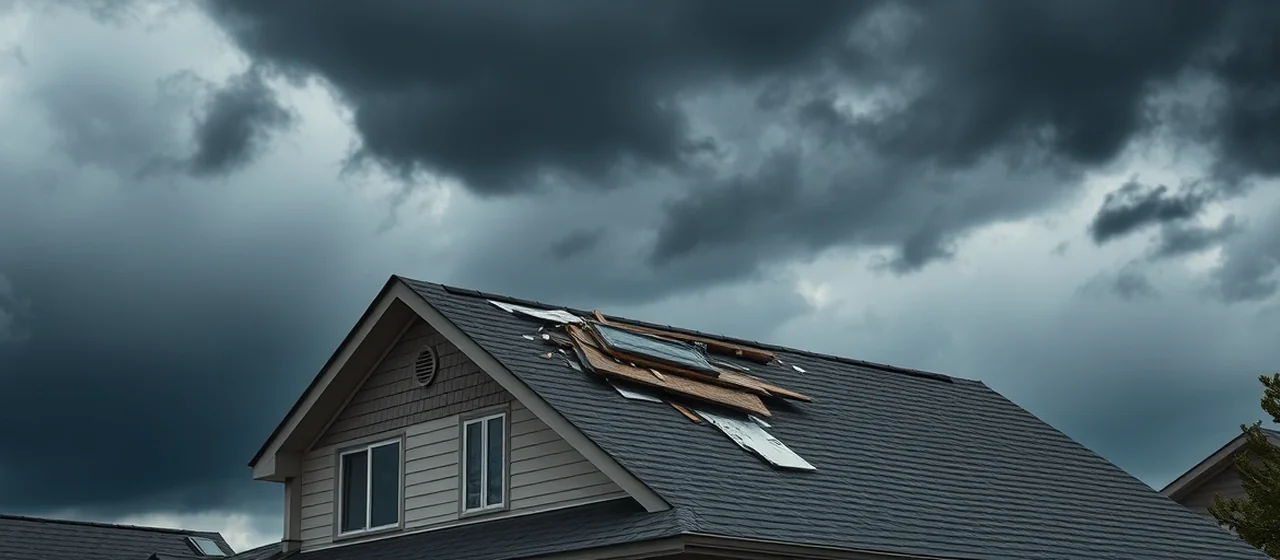
From the ground, storm damage often looks minor, but the harm that actually leads to leaks and denied claims is usually invisible from below. Granule loss, hairline mat fractures from hail, lifted or creased shingles from wind, and damaged flashing all undermine the roof system without an obvious hole. A trained eye finds these problems before they become winter leaks.
Schedule a professional storm damage inspection promptly, ideally before you file your claim. A roofer documents the damage with their own photos, measurements, and notes, which gives you an independent, expert record to present to your insurer. This matters in Central Indiana, where a hard hail season can affect entire neighborhoods at once and adjusters are stretched thin. If you want to know exactly what a thorough evaluation covers, our roof inspection process and the roof inspection checklist walk through every checkpoint.
For hail specifically, the difference between cosmetic marks and functional damage decides whether a claim succeeds. Our hail damage roof repair specialists know how Indiana insurers evaluate hail and can flag impact damage that a quick look would miss.
With safety handled, water controlled, and damage documented, you are ready to file. Contact your insurance company and report the storm date, the type of event, and the damage you have recorded. Most policies have a filing window, so do not let the claim sit. The faster you report with strong documentation, the smoother the process tends to go.
When the adjuster visits, it is wise to have your roofer present or to share the roofer's inspection report. The two can compare findings on the spot, which reduces the chance that legitimate damage is overlooked or underpriced. Read your estimate carefully and make sure it accounts for the full system, including underlayment, flashing, ventilation, and code-required upgrades, not just the visible shingles.
Be wary of pressure to sign over your claim to a contractor who shows up unsolicited after a storm. Reputable local roofers do not need to chase storms door to door. For the full claim walkthrough, including depreciation, deductibles, and supplements, see our deeper guide on the roof insurance claim process.
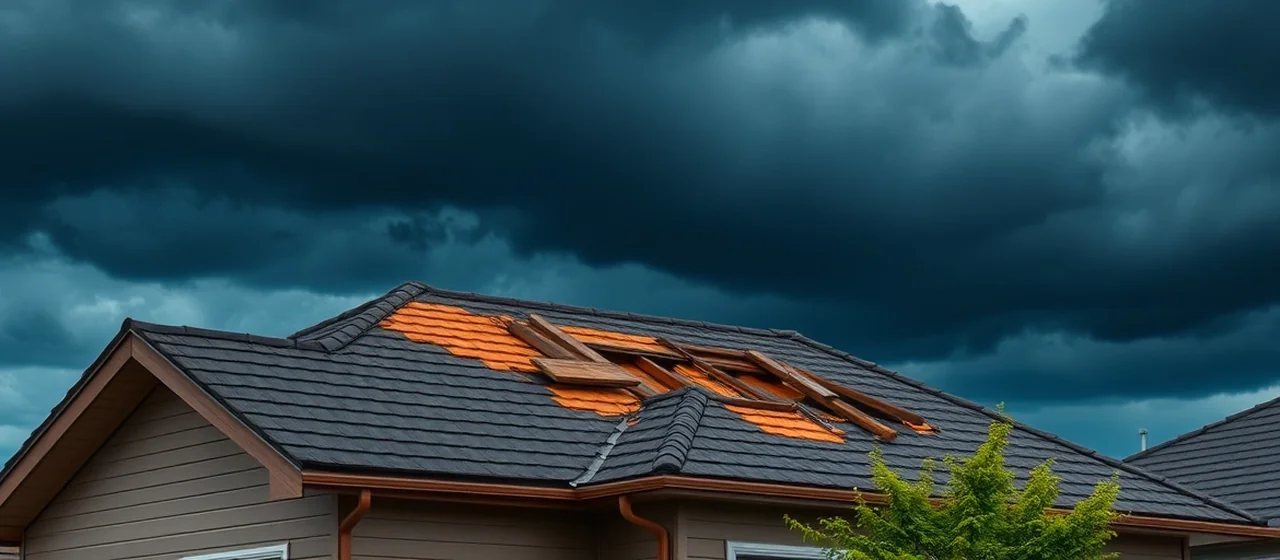
Once the claim is approved, the question becomes whether your roof needs a targeted repair or a full replacement. The answer depends on how widespread the storm damage is, the age and condition of the existing roof, and whether matching new materials to old is even possible. A few wind-lifted shingles on a five-year-old roof point toward repair, while hail bruising across most of a fifteen-year-old roof usually justifies replacement.
This is where a holistic approach pays off. Patching only the obvious spots while ignoring stressed flashing, tired underlayment, or inadequate ventilation tends to produce repeat leaks. We evaluate the roof as a connected system so the fix actually lasts through the next storm season. If the damage is contained, our roof leak repair and broader roof repair and maintenance services restore the system. If it is extensive, roof installation and replacement gives you a clean, code-compliant start.
Storms also stress more than the field of the roof. Check your gutters, downspouts, and siding while you are at it, since wind and hail commonly dent gutters and crack siding at the same time. Repairing the full exterior envelope together prevents the next round of water intrusion.
The best time to storm-proof your roof is before the next system rolls in. Central Indiana's pattern of spring hail, summer straight-line winds, and winter freeze-thaw means roofs here take a beating year-round, and small vulnerabilities rarely stay small. A maintenance mindset turns surprise emergencies into manageable, planned work.
Schedule a professional inspection at least once a year and again after any major storm, even if you see no obvious damage. Keep gutters clear so water drains away from the roof edge instead of backing up under shingles, which is a leading cause of ice dams in our climate. If your roof is aging or you have weathered repeated storm claims, upgrading to a more impact-resistant system, such as metal and premium roofing, can lower both your risk and your long-term costs.
Proactive maintenance also strengthens future claims. A documented history of inspections and upkeep shows insurers your damage came from the storm, not from neglect, which is one of the most common reasons claims get reduced or denied in the first place.
Active leak, missing shingles, or hail-battered roof? Alpha Holistic Roofing provides fast emergency tarping, thorough storm damage inspections, and insurance-ready documentation across Central Indiana. We engineer a lasting fix, not a patch. Call (219) 221-9617 for emergency service.
Get Emergency Storm Roof HelpCall (219) 221-9617Make sure everyone inside is safe before anything else. Shut off power to rooms where water is near electrical fixtures, keep people away from sagging ceilings, and do not climb onto the roof. Once people are safe, stop active leaks with buckets and tarps, then document the damage with photos.
Call a licensed roofer first for an emergency inspection and tarping, then file your insurance claim. Having the roofer's documentation and an independent assessment in hand before you file gives you a stronger, better-supported claim and helps ensure no hidden damage is overlooked by the adjuster.
Most homeowners policies require prompt notice, often within a year of the storm, but you should file as soon as possible. Reporting quickly with thorough photos and a professional inspection report keeps the process smooth and avoids disputes over whether the damage came from the storm.
Most standard homeowners policies cover sudden storm damage from wind and hail, minus your deductible. Coverage can be reduced or denied if the roof was already worn or poorly maintained, which is why documentation and a record of regular inspections matter so much for a successful claim.
It is not recommended. Storm-damaged roofs have wet, unstable surfaces and hidden soft spots that cause serious falls. A properly anchored emergency tarp also requires the right technique to hold against wind and rain. This is safer and more effective when handled by a professional storm roofing crew.
Functional hail damage is often invisible from the ground. Look for granules collecting in gutters, dented metal vents or flashing, and bruised or fractured shingles, but a professional inspection is the only reliable way to confirm it. In Central Indiana, a roofer who knows local insurers can distinguish cosmetic marks from claimable damage.