
Indiana hail rarely tears a hole you can see from the driveway. It bruises the shingle mat, knocks the granules loose, and leaves the asphalt to fail months later. We find every impact, document it the way an adjuster needs, and engineer the repair so one storm does not quietly age your whole roof.
Fast. Accurate. Transparent.
By submitting, you agree to our Privacy Policy.
A single Marion County storm can drop hailstones from pea-size to golf-ball-size in fifteen minutes, and the worst of the damage is invisible from the ground. Hail does not always crack a shingle outright. It fractures the fiberglass mat underneath and dislodges the protective granules, so the asphalt sits exposed to UV and the next freeze-thaw cycle widens every soft spot. By the time a stain shows on your ceiling, the roof has often been failing since spring. Honest hail damage roof repair starts with finding the bruises before they leak, not after.
Alpha Holistic Roofing treats hail as one specific failure mode inside our broader storm and emergency roofing response. We dispatch from our 1401 N Meridian St office, chalk-test every slope, and build a photo-documented report your insurer can act on. When the impact pattern is isolated, we engineer a repair that matches your existing system. When the hail has bruised the whole field, our storm and emergency roofing and replacement crews rebuild it as one engineered system instead of a patchwork of mismatched shingles.
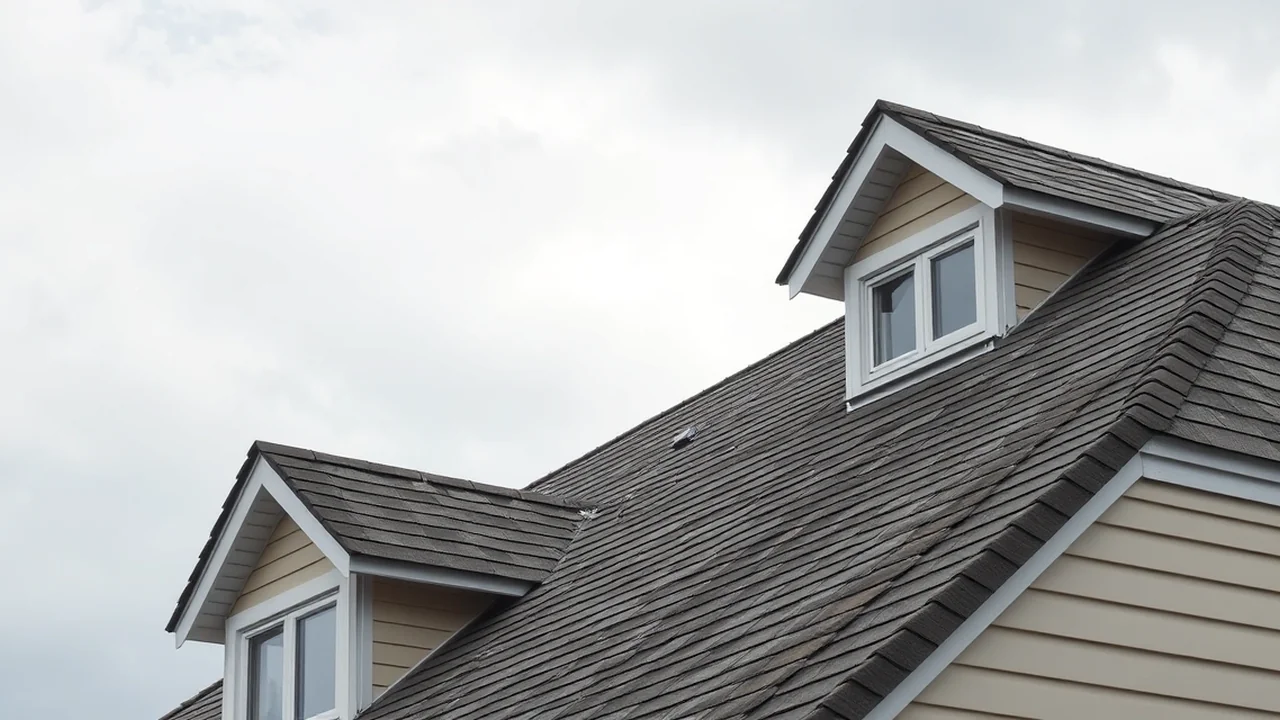
Hail attacks every surface of the roofing system differently, and an adjuster needs each one documented. Here is what our chalk-tested inspection looks for across an Indianapolis roof.
The soft, dark spot where a stone struck and broke the fiberglass mat under the granules. A bruise feels spongy underfoot and rarely shows from the ground, but it is the impact that fails first. We circle and photograph each one before it opens into a roof leak.
Hail knocks the protective granules off the shingle, exposing raw asphalt to UV. You will see the granules washed into gutters and at the base of downspouts. Once the mat is bare, the shingle ages years faster than the rest of the roof.
Dents on metal vents, valleys, drip edge, and chimney flashing are the clearest hard-surface evidence of a hail event and the dent size helps date the storm. Bent flashing breaks the seal that keeps water out of penetrations and valleys.
Dinged gutters, downspouts, and aluminum fascia confirm a storm hit even when the shingles look intact. We document the soft-metal damage as part of the same claim so the whole envelope is covered, not just the field.
Hail cracks skylight domes, splits plastic vent housings, and shatters pipe-boot collars. These small penetrations are common hidden leak sources after a storm, so we inspect and seal each one as part of the repair.
A hail patch that ignores the rest of the roof just hides the next leak. Our process documents the full impact pattern, files it the way your insurer needs, and then repairs or rebuilds the system so a single storm does not quietly shorten the life of your whole roof. Here is exactly what happens from your first call to the final magnetic sweep.
Most Indiana homeowner policies put a clock on hail claims, and a bruise that looks harmless today can be an active leak by the next thaw. A documented inspection now protects both your roof and your filing window.
If a storm just rolled through Marion County, call (219) 221-9617. We will inspect, chalk-test, and tell you honestly whether you have a claim, not sell you a roof you do not need.
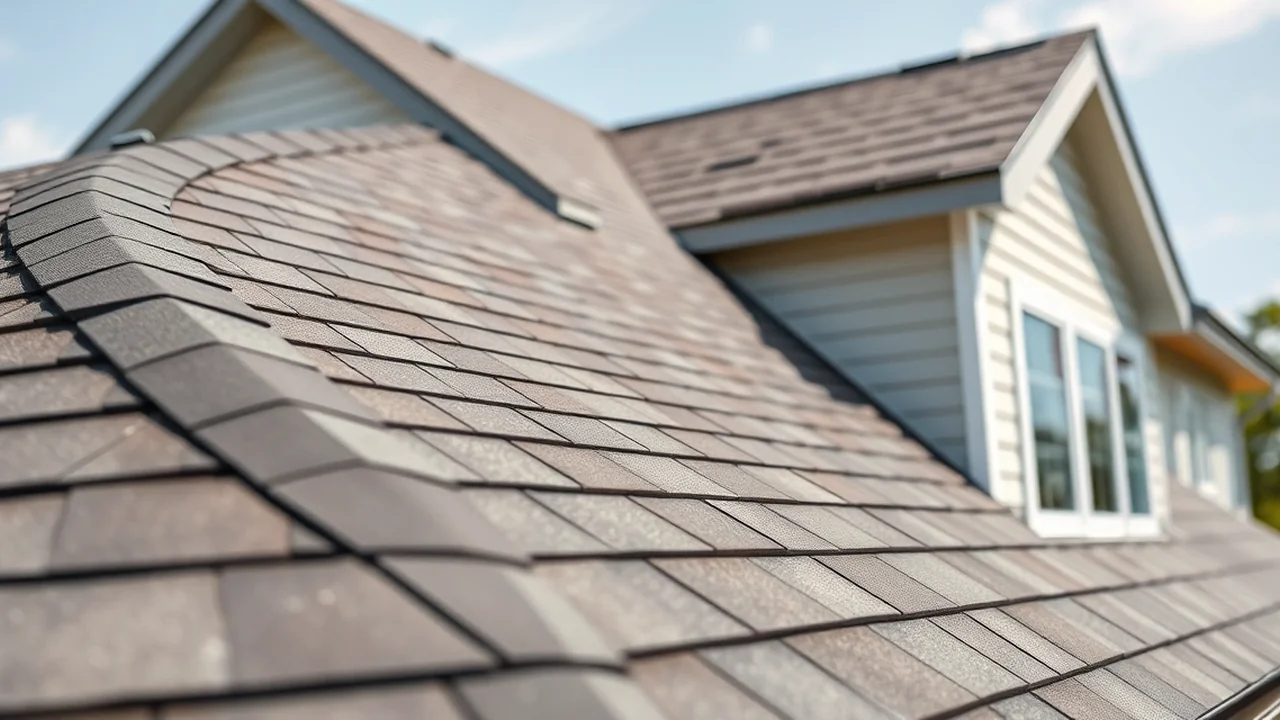
No two hail events total the same way. Whether your roof needs a documented spot repair or a full insurance-backed replacement depends on the material, the density of impacts, and the age of the system. Here is how we read it.
Asphalt shingles bruise and shed granules; the older and more brittle the shingle, the easier the mat fractures. Metal roofing usually dents cosmetically without losing its watertight seal, so it is often repairable rather than total. Wood shake splits along the grain, and flat-roof membranes can be punctured outright. We match the inspection method and the repair to the material on your roof.
Isolated impacts on a sound, newer roof are usually a documented spot repair engineered to match the field. Widespread bruising, heavy granule loss, or hail on an already-aging roof typically justifies a full replacement, and your claim frequently covers it. We count impacts per test square the way an adjuster does, so the recommendation is defensible, not guesswork.
With an approved storm claim, your out-of-pocket cost is usually the deductible rather than the full roof. The variables that move the number are roof pitch and size, shingle grade, the number of damaged penetrations, and any Indiana code-upgrade items the adjuster missed. We file supplements when the first estimate falls short so the scope reflects the real repair.
Not sure the damage is from hail at all? Our roof repair, inspection, and maintenance team diagnoses leaks of every cause, and homeowners using a hail claim to upgrade often move to a dent-tough metal and premium roofing system.
Hail damage roof repair is one piece of our larger storm and emergency roofing response, which also covers wind damage, emergency tarping, and 24/7 leak containment. When the impact pattern totals the roof, our roof installation and replacement crew rebuilds it as one engineered system, and many Indianapolis homeowners use the claim to upgrade to a longer-lasting metal and premium roofing option. Once the repair is complete, our roof repair, inspection, and maintenance team keeps the rest of the envelope sealed. One call, one ecosystem, one accountable team.
Licensed, insured, and OSHA-compliant, with manufacturer-backed materials and a 4.9/5 rating from 500+ neighbors. We engineer systems, not patchwork, and we put it in writing.
“A May hailstorm hit us hard and three other companies tried to sell me a full roof on the spot. Alpha Holistic actually got on the roof, chalk-tested every slope, and showed me the bruises in photos. The claim was approved fairly and the repair blends right into the existing shingles.”
Derek M., Noblesville
“I never would have known we had hail damage, the roof looked fine from the yard. They found bruised shingles and dented vents I couldn't see and documented it all for the adjuster. Calm, honest, and they didn't push a replacement we didn't need.”
Sandra K., Fishers
“After the summer storms our roof was bruised across the whole back slope. They counted impacts the same way our adjuster did, the claim went through, and the new section matches the rest perfectly. Felt like working with engineers, not salesmen.”
Marcus T., Greenwood
Hail damage is usually invisible from the ground. The clearest signs are dented gutters, downspouts, metal vents, and flashing, plus granules collecting at the base of downspouts. On the shingles themselves, hail leaves dark, spongy bruises and bare spots where the protective granules are gone. Because a bruise can sit for months before it leaks, we chalk-test and inspect every slope after a storm so nothing is missed before it fails.
Most Indiana homeowner policies cover sudden hail and storm damage, though deductibles and coverage vary. We build a photo-documented report with the impact count, scope, and code items an adjuster needs, meet them on site, and file supplements when the first estimate misses real repairs. We never inflate a claim, we document exactly what the hail did, which is what makes the filing hold up.
It depends on the pattern and the age of the roof. Isolated impacts on an otherwise sound, newer roof are usually a documented spot repair engineered to match your existing shingles. Widespread bruising, heavy granule loss, or hail on an already-aging roof typically justifies a full replacement, which your claim frequently covers. We count impacts per test square the way an adjuster does and give you an honest repair-or-replace recommendation in writing.
As soon as it is safe, ideally within days. Indiana policies put a time limit on storm claims, and an undocumented bruise can turn into an active leak by the next freeze-thaw cycle. An inspection right after the storm protects both your roof and your filing window, even if it turns out you do not have a claim. Call (219) 221-9617 and we will inspect, chalk-test, and tell you honestly what we find.
A hailstone fractures the fiberglass mat beneath the surface and knocks the protective granules loose. That leaves the raw asphalt exposed to UV and water, so the shingle ages years faster than the rest of the roof and eventually cracks or leaks at the bruise. The damage is structural even when the shingle still looks intact from a distance, which is exactly why a hands-on, chalk-tested inspection matters more than a glance from the driveway.
Yes. If hail or accompanying wind opened the roof and water is coming in, we install a properly anchored emergency tarp to stop the bleed before we ever discuss the repair. Tarping is part of our broader storm and emergency roofing response, and a professional tarp protects both your home and the integrity of your insurance claim. If water is actively coming in right now, call (219) 221-9617.