
For most Indianapolis homes, architectural (dimensional) shingles are the better choice over 3-tab shingles. They last 25 to 30 years versus 15 to 20, carry wind ratings up to 130 mph instead of 60 to 70 mph, and resist the freeze-thaw cycling and hail that Central Indiana roofs face every year. The trade-off is cost: architectural shingles run roughly 20 to 40 percent more per square. For a long-term roof, that premium almost always pays for itself.
That said, the right answer depends on your roof's slope, your budget, how long you plan to stay in the home, and what your neighborhood and HOA expect. A 3-tab roof still makes sense in a few specific situations. This guide breaks down both shingle types head to head, the way an honest roofer would explain it at your kitchen table, so you can decide which one belongs on your home rather than just picking whatever the cheapest bid quotes.
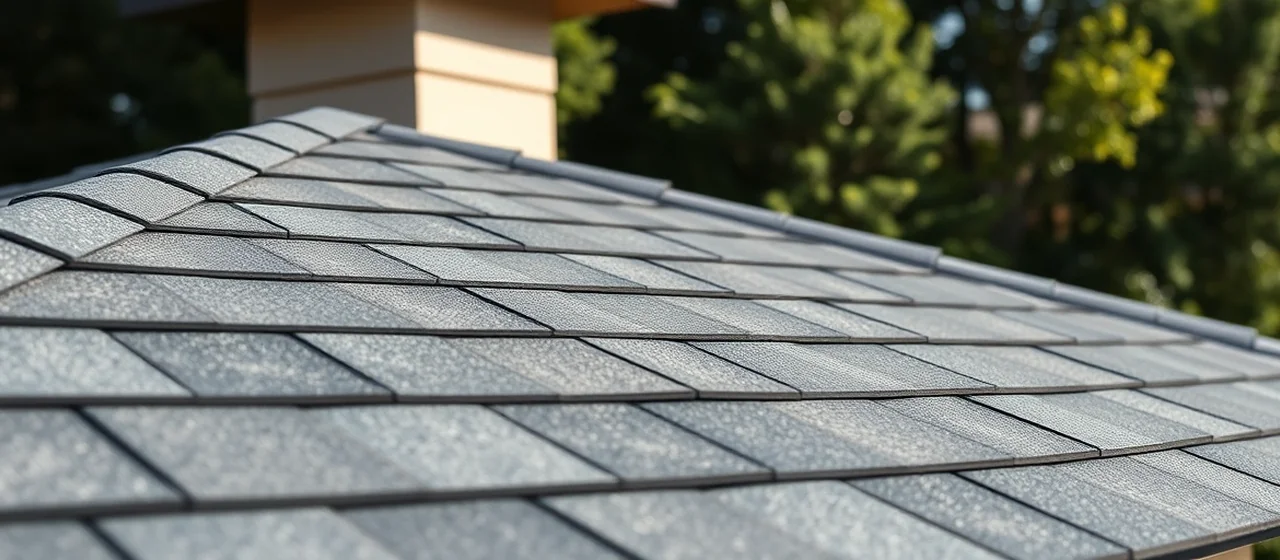
Both shingle types are asphalt shingles, the most common roofing material in Indiana. The difference is how they are built. A 3-tab shingle is a single, flat layer of asphalt mat cut with two slots, creating three uniform tabs across the face. Every tab is the same size and the shingle lies flat, producing the thin, repetitive, grid-like look you see on older or builder-grade roofs.
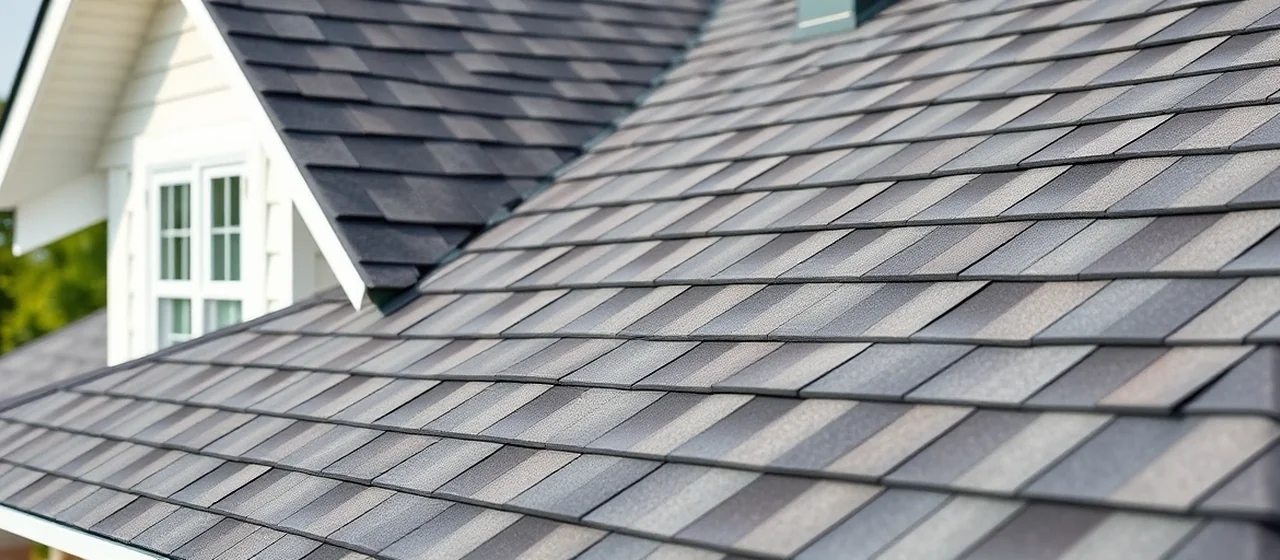
An architectural shingle, also called a dimensional or laminate shingle, is made from two or more layers of asphalt bonded together. That lamination gives the shingle varied thickness, shadow lines, and a dimensional, shake-like or slate-like appearance. The extra material is not just cosmetic. It is the reason architectural shingles weigh more, seal more securely, and stand up to wind and impact far better than a single-layer 3-tab.
When people ask which is better, they are really asking about four things: how long it lasts, how it handles Indiana weather, how it looks, and what it costs. We will take each in turn. If you want the bigger-picture comparison against metal, see our guide on metal roof vs. shingles.
This is the clearest dividing line between the two. A 3-tab roof typically lasts 15 to 20 years in Central Indiana, and often closer to 15 on a south-facing slope that takes the brunt of summer heat and UV. Architectural shingles typically last 25 to 30 years, with premium lines pushing 30 to 50 years under warranty.
The reason comes down to construction. The double-layer mat in an architectural shingle is heavier and adheres more securely once the sealant strip activates in the sun. That matters in Indianapolis, where roofs go through dozens of freeze-thaw cycles each winter. Water works into tiny gaps, freezes, expands, and pries at the roof surface. A thicker, better-sealed shingle resists that prying far longer than a thin 3-tab, which is more prone to lifting, cracking, and granule loss as it ages.
Granule loss is worth watching on any asphalt roof. The granules are the UV and impact shield. Architectural shingles carry more of them and hold them longer. Whichever shingle you have, regular roof inspection catches granule loss, lifting tabs, and sealant failure before they become leaks.
Central Indiana sees its share of severe weather: spring and summer thunderstorms, straight-line winds, and hail. How a shingle handles that weather is not a small detail here. It is often the difference between a roof that survives a storm and one that needs a storm and emergency repair the next morning.
Wind is where architectural shingles pull clearly ahead. Standard 3-tab shingles are rated for about 60 to 70 mph. Architectural shingles are commonly rated for 110 to 130 mph, depending on the product and how they are installed. In a region that regularly records gusts in the 50 to 70 mph range during storms, that margin matters. Three-tab tabs are also more likely to crease or blow off because each tab seals independently along a single line.
Hail is the other concern. The thicker, multi-layer body of an architectural shingle absorbs impact better and is less likely to fracture or bruise than a thin 3-tab. Some architectural lines are rated Class 4 for impact resistance, the highest UL rating, which can also lower your homeowners insurance premium in Indiana. If a storm has already hit, our guide to filing a roof insurance claim walks through documenting the damage. For active leaks, emergency roof repair should come first.
Cost is the main reason 3-tab shingles still exist. They are the cheaper option up front. In the Indianapolis market, a basic 3-tab roof typically runs less per square (a roofing square is 100 square feet) than an architectural roof, with the installed price difference usually landing in the 20 to 40 percent range. On a typical home, that can be a few thousand dollars.
But the cheaper roof is not always the cheaper decision. If a 3-tab roof lasts 17 years and an architectural roof lasts 28, the architectural shingle delivers more years of protection per dollar, even before you factor in fewer repairs and better storm resilience. Spread the cost over the life of the roof and architectural shingles often come out ahead.
A few real cost factors to keep in mind:
Looks are not just vanity. They affect resale value and what your neighborhood expects. Three-tab shingles have a flat, uniform, repetitive pattern. It reads as plain and, increasingly, as dated, because most new construction and re-roofs in the Indianapolis area now use architectural shingles by default.
Architectural shingles create depth and shadow lines that mimic wood shake or natural slate. They come in a wider range of colors and blends and tend to hide minor roof-deck imperfections better than a flat 3-tab. For homeowners thinking about selling within the next several years, the dimensional look generally supports a stronger first impression and appraisal.
There is also a practical HOA angle. A growing number of Central Indiana subdivisions now require architectural shingles in their covenants and will not approve a flat 3-tab re-roof. Before you decide on price alone, check your HOA's architectural guidelines so you do not pay for a roof you have to tear off.
Architectural shingles win most comparisons, but not every one. Three-tab shingles still have a place in specific situations, and an honest roofer will tell you when they are the smart call rather than upselling by reflex.
Consider 3-tab shingles if you are on a tight budget and need a sound, code-compliant roof now, if you are selling a property soon and want maximum value for minimum spend, or if you are roofing a low-value structure like a detached garage, shed, or rental where a 30-year roof is not the goal. Three-tab shingles are also lighter, which can matter on older framing.
Outside of those cases, the longer lifespan, stronger wind and hail ratings, and better resale value of architectural shingles make them the default recommendation for a primary residence you intend to keep. If your roof is at the end of its life either way, our roof installation and replacement team can walk your home and give you both options side by side, with no pressure to pick the pricier one.
Start with three questions: How long will you stay in the home? What does your budget and HOA allow? And how exposed is your roof to wind and sun? If you are staying long term, want fewer storm headaches, and your roof faces open sky, architectural shingles are the clear pick. If you are selling soon, on a strict budget, or roofing an outbuilding, a quality 3-tab installation can be the right tool.
Whatever you choose, installation quality matters as much as the shingle. The best shingle on the market will fail early if the underlayment, ice-and-water shield at the eaves, ventilation, and flashing are done poorly. Indiana's freeze-thaw and ice-dam risk makes proper eave protection and attic ventilation especially important. We build roof systems as complete assemblies, not as a shingle slapped over whatever is underneath, which is the difference between a roof that hits its warranty and one that does not.
If you are weighing a re-roof, get a real inspection first. Knowing whether your current roof can be repaired or genuinely needs replacement keeps you from overspending, and it gives you a clear baseline to compare 3-tab and architectural bids honestly.
We will walk your Indianapolis home, inspect the existing roof, and give you honest architectural and 3-tab options side by side, with the real lifespan and cost trade-offs for your situation. No pressure, no upsell.
Explore Asphalt Roofing OptionsCall (219) 221-9617For a primary home you plan to keep, yes. Architectural shingles last about 10 years longer than 3-tab, carry far stronger wind and hail ratings, and improve resale value and curb appeal. The 20 to 40 percent higher up-front cost is usually offset by the longer lifespan, fewer storm repairs, and possible insurance savings on Class 4 impact-rated lines.
Three-tab shingles typically last 15 to 20 years in Central Indiana, often closer to 15 on south-facing slopes that take the most sun and heat. Freeze-thaw cycling, UV exposure, and storms shorten that lifespan, especially without regular inspection and maintenance.
Usually, yes. Three-tab shingles look flat, thin, and uniform with a repetitive grid pattern. Architectural shingles have visible depth, shadow lines, and varied thickness that resembles wood shake or slate. From the driveway, the dimensional, textured look means architectural; the flat, even look means 3-tab.
Yes. Their multi-layer construction absorbs hail impact better and is less likely to crack than a thin 3-tab. On wind, architectural shingles are commonly rated 110 to 130 mph versus 60 to 70 mph for standard 3-tab, which matters during Central Indiana's spring and summer storm season.
Many newer Indianapolis-area subdivisions now require architectural shingles in their covenants and will reject a flat 3-tab re-roof. Always check your HOA's architectural guidelines before choosing a shingle on price alone, so you do not pay to install a roof you have to remove.
It depends on age and condition. A roof under 15 years old with isolated damage is often repairable. A roof near the end of its lifespan with widespread granule loss, curling, or multiple leaks is usually better replaced. A professional inspection gives you a clear answer and a baseline to compare bids.