
Roof financing lets Indiana homeowners spread the cost of a new roof, typically $9,000 to $20,000+ for an average Indianapolis home, across monthly payments instead of paying the full amount up front. The most common options are contractor-arranged financing, home equity loans or HELOCs, unsecured personal loans, government-backed renovation loans like the FHA 203(k), and homeowners insurance when storm or hail damage is involved. The right choice depends on your credit, how much equity you have, and how soon the work needs to happen.
Few people plan to replace a roof. It usually arrives as a surprise: a leak after a Central Indiana hailstorm, a failed inspection during a home sale, or shingles that finally give out after 20 freeze-thaw winters. Because a roof is both essential and expensive, understanding your financing choices before you sign anything helps you avoid high-interest traps and pick a payment plan that actually fits your budget. This guide breaks down every realistic way to pay for a roof in Indiana, what each costs, and how to qualify.
Before you compare loans, you need a realistic number to finance. In the Indianapolis and Central Indiana market, a full asphalt shingle roof replacement on an average single-family home generally runs from about $9,000 to $18,000, depending on roof size, pitch, the number of layers being torn off, and the shingle grade. Larger homes, steep or complex rooflines, and premium materials push costs higher.
Material choice is the biggest variable. Architectural asphalt shingles remain the most affordable and popular option here, while standing seam metal and other premium systems can run two to three times the price of basic shingles. If you are weighing the long-term value of an upgrade, our breakdown of metal roof vs. shingles explains where the extra money goes. For a deeper line-item view of a full project, see our guide to a complete roof installation and replacement.
Financing a roof is most worthwhile when the project addresses real system failure rather than cosmetic wear. A thorough roof inspection tells you whether you genuinely need a full replacement or whether targeted repairs will buy you several more years, which changes how much you need to borrow in the first place.
Many homeowners get their roof financing directly through their roofing contractor. Reputable companies partner with third-party lenders (such as Service Finance, GreenSky, or similar networks) to offer point-of-sale loans that you can apply for in minutes, often with a same-day decision. This is the most convenient option when your roof is actively leaking and you cannot wait for a bank process.
The headline draw is promotional terms. You will commonly see offers like zero interest for 12 to 18 months or low fixed rates over 5 to 15 years. Used wisely, a same-as-cash promotion lets you complete the roof now and pay it off interest-free before the promo period ends. The catch is deferred-interest structures: if any balance remains when the promo window closes, interest can be charged retroactively from day one. Always read whether the offer is true 0% or deferred interest.
Contractor financing is ideal for storm situations where speed matters. If a Central Indiana storm has already caused damage, pairing fast financing with prompt storm and emergency roofing work prevents a small leak from becoming structural rot. Just make sure the convenience does not blind you to the total cost over the full term.
If you have built up equity in your Indiana home, a home equity loan or home equity line of credit (HELOC) is often the cheapest way to finance a roof. Because the loan is secured by your house, interest rates are typically far lower than unsecured personal loans or credit cards, and the interest may be tax-deductible when funds are used for home improvements (confirm with your tax advisor).
A home equity loan gives you a lump sum at a fixed rate with predictable monthly payments, which suits a one-time roof project well. A HELOC works more like a credit card with a revolving limit and a variable rate, which can be useful if you are bundling the roof with other exterior work such as new gutter systems or siding and exterior wall protection. The trade-off for these low rates is that your home is collateral, so missed payments carry serious risk.
The main downside is speed. Equity products require an appraisal and underwriting, so funding can take a few weeks, which does not help an active emergency leak. Many Indianapolis homeowners use a fast bridge first (insurance advance or contractor financing) to get the roof on, then refinance into a HELOC later for the cheapest long-term carry.
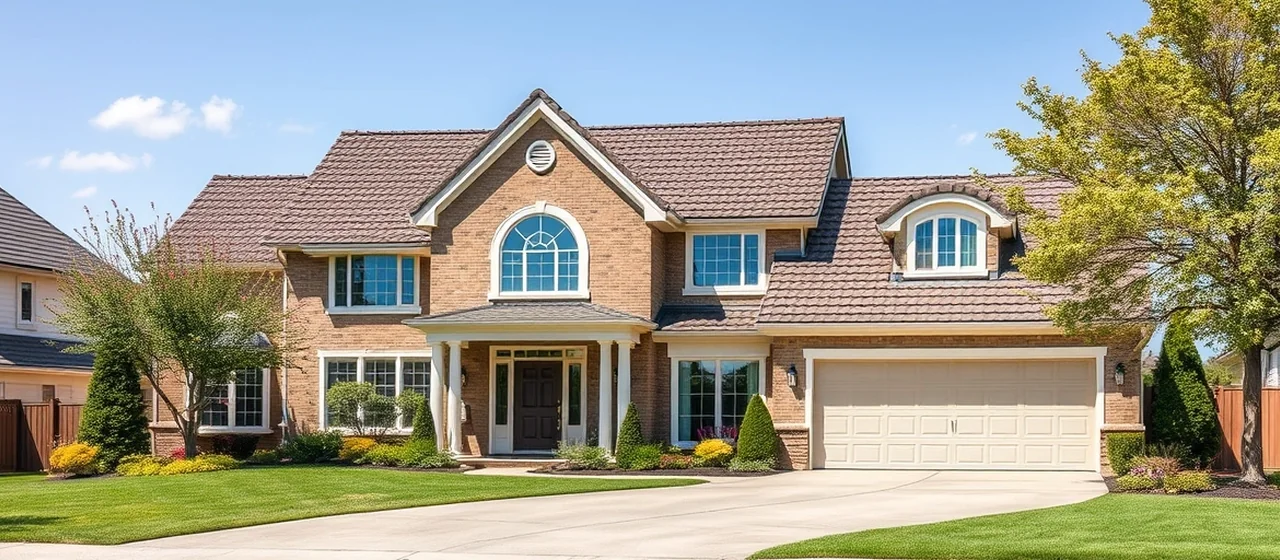
An unsecured personal loan is a popular middle ground. It does not put your home on the line, funds can arrive within a day or two, and you get a fixed rate and fixed term. For borrowers with good credit, rates are reasonable, though almost always higher than a HELOC because the lender has no collateral. Personal loans work well when you lack home equity but have solid credit and want predictable payments.
Credit cards should be a last resort for a full roof. Standard purchase APRs are high, and carrying a five-figure balance is expensive. The one exception is a card with a genuine 0% introductory APR that you are certain to pay off before the promo ends, which can function like a short-term interest-free loan for a smaller repair.
For smaller jobs, financing may not be necessary at all. If your problem is a single leak or limited storm damage, a targeted roof leak repair often costs a few hundred to a couple thousand dollars, an amount many homeowners can cover without a loan. Knowing whether you face a repair or a replacement, which our guide on roof repair cost in Indianapolis helps clarify, keeps you from over-borrowing.
Several government-backed loans fold roof work into broader financing. An FHA 203(k) renovation loan lets you finance home repairs, including a new roof, into a single mortgage, which is especially useful when buying a fixer-upper or refinancing a home that needs major work. Fannie Mae HomeStyle loans serve a similar purpose for conventional borrowers. These programs have stricter paperwork and use approved contractors, but they bundle the roof into a long mortgage term at mortgage-level rates.
Indiana homeowners should also look into PACE-style and state energy programs and any local utility rebates tied to energy-efficient upgrades. Because reflective and properly ventilated roofs reduce cooling loads through humid Indiana summers, pairing a replacement with energy-efficiency roofing enhancements or improved attic insulation can sometimes unlock incentives that offset part of the cost.
Older or lower-income homeowners may qualify for assistance through county weatherization programs or nonprofit grants for essential home repairs. These funds are limited and competitive, but for a leaking roof that threatens a home's safety, they are worth a call to your local township trustee or community action agency before taking on debt.
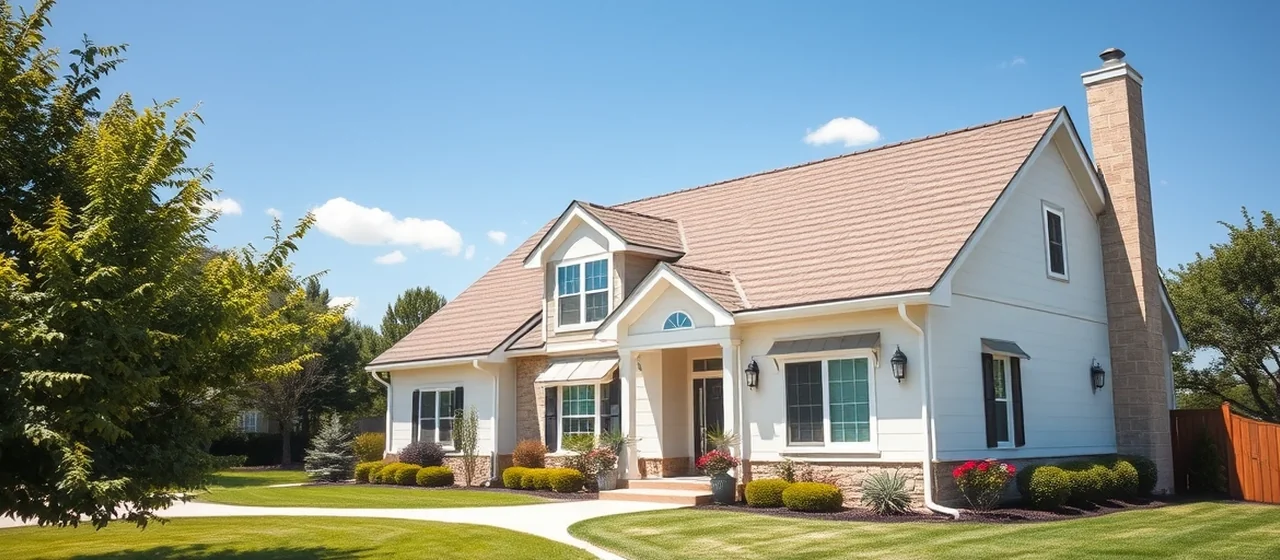
In Central Indiana, a large share of roof replacements are not financed at all because they qualify as insurance claims. Homeowners policies typically cover sudden, accidental damage from hail, wind, and storms, which are common here from spring through early fall. If a storm tore off shingles or hail bruised your roof, your out-of-pocket cost may be limited to your deductible rather than the full replacement price.
The key is documentation and timing. After a storm, schedule an inspection promptly, since many policies have filing deadlines. A professional hail damage roof repair assessment produces the photos and measurements adjusters expect. Our guide on filing a roof insurance claim walks through the process so you do not leave money on the table.
Even with insurance, financing can still play a role. You may need a short-term loan or contractor financing to cover your deductible or to fund upgrades the policy will not pay for, such as moving from basic shingles to a premium metal system. Treat insurance and financing as complementary tools rather than either/or choices.
The best roof financing is the one that gets your home protected quickly without trapping you in expensive debt. Start by separating urgency from cost. If water is actively entering your home, prioritize speed: contractor financing or an insurance advance gets the roof on now, and you can refinance to a cheaper product later. If you have time, compare a HELOC or home equity loan against contractor offers on total cost over the full term, not just the monthly payment.
Always weigh the all-in number. A low monthly payment stretched over 15 years can cost thousands more in interest than a slightly higher payment over five. Ask every lender for the total finance charge and the APR, and be especially careful with deferred-interest promotions that punish you if you miss the payoff date by even one day.
Finally, work with a contractor who is transparent about both the roof and the financing. At Alpha Holistic Roofing we believe in engineering systems, not patchwork, and that honesty extends to how you pay for the work. We will give you a clear, itemized quote, help you understand which financing partners and insurance paths fit your situation, and never pressure you into a number that does not make sense for your household.
Before you finance anything, get a clear picture of what your roof actually needs. Alpha Holistic Roofing provides transparent, itemized quotes for Indianapolis and Central Indiana homeowners, plus guidance on financing and insurance paths that fit your budget. Call (219) 221-9617 or request your free assessment today.
Explore Roof ReplacementCall (219) 221-9617Many contractor financing programs approve borrowers with fair credit (around 600 and up), though the best rates and 0% promotions usually require good credit (670+). Home equity loans and HELOCs also favor higher scores plus sufficient equity. If your credit is limited, a co-signer, a larger down payment, or an insurance claim can improve your options.
Paying cash avoids all interest and is cheapest overall. But financing makes sense when paying cash would drain your emergency savings or when a true 0% promotion lets you spread payments at no extra cost. If you can clear a same-as-cash offer before the promo ends, financing costs you nothing while preserving your reserves.
Insurance typically covers sudden, accidental damage from hail, wind, and storms, which are common in Central Indiana. It generally does not cover normal wear or age-related failure. After a storm, get a professional inspection and file promptly; if the claim is approved, you may only owe your deductible rather than the full replacement cost.
Yes. Renovation loans like the FHA 203(k) and Fannie Mae HomeStyle let you finance a roof into a purchase or refinance mortgage, spreading the cost over a long term at mortgage-level rates. These loans require approved contractors and extra paperwork, so they work best when planned in advance rather than during an emergency.
Terms commonly range from 12 months (for same-as-cash promotions) up to 15 years for longer contractor loans and HELOCs. Renovation mortgages can stretch the cost across the full mortgage term. Longer terms lower your monthly payment but increase total interest, so always compare the all-in finance charge.
Yes. We provide transparent, itemized quotes and help Indianapolis-area homeowners understand which financing partners and insurance paths fit their situation. We document storm and hail damage thoroughly for adjusters and explain your options honestly, without pressure. Call (219) 221-9617 to discuss your roof and budget.