
A roofing warranty comes in two distinct forms: a manufacturer warranty that covers defects in the shingles or roofing materials, and a workmanship warranty that covers how those materials were installed by your contractor. The manufacturer protects you against a product that fails prematurely; the contractor protects you against a leak caused by a bad nail line, improper flashing, or a missed detail. You need both, because the vast majority of roof failures in Central Indiana are installation problems, not material defects, and the manufacturer warranty almost never pays for those.
If you only read the glossy '50-year warranty' line in the brochure and assume you are covered, you are setting yourself up for a frustrating surprise the first time water comes through the ceiling. This guide breaks down exactly what each warranty covers, the fine print that voids them, and the questions every Indianapolis homeowner should ask before signing a roof installation contract.
Every properly installed roof is backed by two separate promises from two separate parties. Confusing them is the single most common reason homeowners feel let down after a roof problem. The two parties have different interests, cover different failures, and have very different track records on actually paying out.
The manufacturer warranty comes from the company that made your shingles, underlayment, or metal panels (think GAF, Owens Corning, CertainTeed, or a standing-seam panel maker). It promises the product itself is free from manufacturing defects. The workmanship warranty comes from the contractor who installed the roof. It promises the labor was done correctly, and it is the warranty that covers the overwhelming majority of real-world leaks.
Here is the uncomfortable truth a lot of sales pitches gloss over: roofs rarely fail because the shingle itself was defective. They fail at penetrations, valleys, flashing, and transitions because someone installed them wrong. That means the workmanship warranty, the one tied to the company that put it on, is usually the one that matters most. A 50-year material warranty is worth very little if the contractor who installed your roof is out of business in three years.
A standard manufacturer warranty covers manufacturing defects in the roofing material itself, such as shingles that crack, blister, or lose granules far ahead of their expected lifespan due to a flaw in how they were made. If your shingles were genuinely produced wrong, this is the warranty that replaces them.
What trips homeowners up is the difference between the headline number and the real coverage. That '50-year' or 'lifetime' figure is usually a prorated warranty, meaning the payout shrinks dramatically after the first several years. Most standard warranties include a short non-prorated window (often the first 10 to 15 years) where you might get full material value, after which coverage drops to a small fraction of the replacement cost and almost never includes labor.
There is also a critical distinction between a basic warranty and an enhanced or 'system' warranty. Many manufacturers offer upgraded coverage, but only when a certified contractor installs a full system of their components (shingles, underlayment, starter strip, ridge cap, and ventilation all from the same brand). This is where choosing the right installer directly affects your protection.
A workmanship warranty is your contractor's written guarantee that the roof was installed correctly. If a leak shows up because of a poorly sealed pipe boot, an under-driven nail, a botched valley, or improperly stepped flashing along a chimney, this is the warranty that pays to fix it, including the labor the manufacturer warranty leaves out.
Workmanship coverage varies enormously between companies. A storm-chasing crew might offer a 1-year handshake, while an established local roofer offers 5, 10, or even a lifetime workmanship warranty. The number matters, but the durability of the company behind it matters more. A long warranty is only as good as the business standing behind it years from now.
This is exactly where Alpha Holistic Roofing's 'engineer systems, not patchwork' approach pays off. When the flashing, underlayment, ventilation, and field shingles are installed as one engineered system rather than a collection of quick fixes, there are far fewer failure points for a warranty to ever be tested. If a problem does surface, a strong roof leak repair response under a workmanship warranty is what keeps a small issue from becoming an interior disaster.
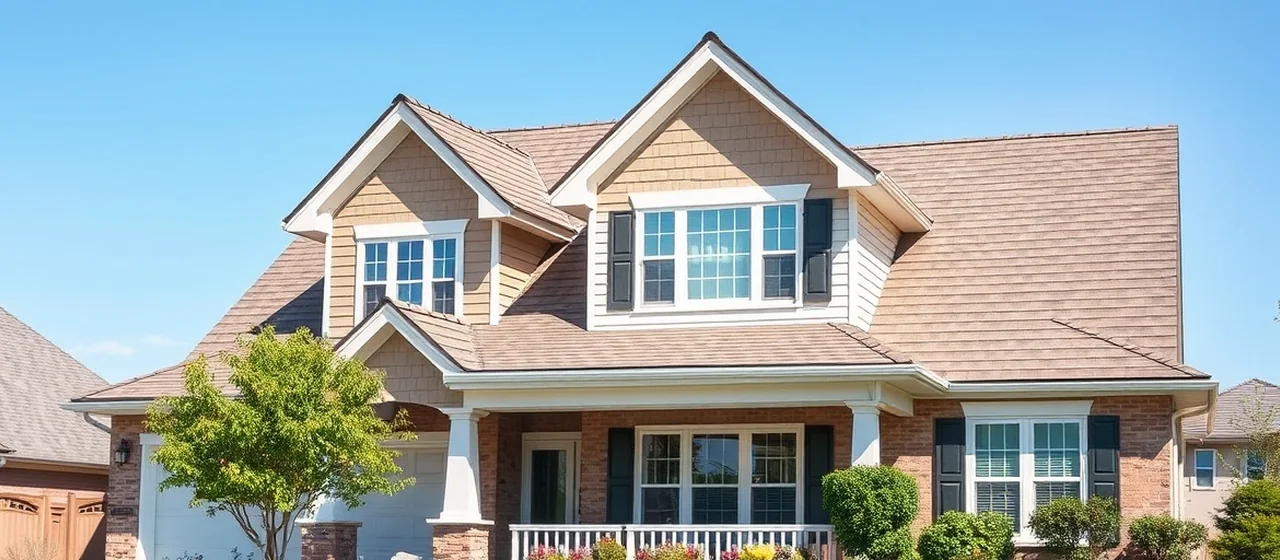
Both warranty types come with conditions, and violating them can void your coverage without you ever realizing it. Many Indianapolis homeowners discover their warranty is worthless only when they file a claim. Knowing these triggers ahead of time protects the investment you made in a new roof.
The most common warranty-killer is improper ventilation. Manufacturers require adequate intake and exhaust airflow, because a roof that bakes from trapped attic heat ages prematurely. If an inspector finds your attic was under-ventilated, they can deny the claim and point to the install rather than the product. Proper roof ventilation is not optional fine print; it is a structural requirement of the warranty.
Other coverage-killers are just as avoidable but easy to overlook. Reading the exclusions before you sign is far less painful than reading them after a leak.
Central Indiana puts roofs through a brutal annual cycle, and that climate is precisely why the gap between a material warranty and a workmanship warranty becomes so important here. Our freeze-thaw cycles repeatedly expand and contract every fastener, sealant, and flashing joint, so an installation that was 'close enough' fails much faster than it would in a milder climate.
Then there is storm season. Indianapolis sits in a corridor that sees regular spring and summer hail and high winds. Storm damage is not a warranty event at all, it is an insurance event, which surprises many homeowners. If a hailstorm bruises your shingles, neither the manufacturer nor your roofer's workmanship warranty pays; your homeowner's policy does. Knowing that distinction up front means you call the right party and document the right way. When storms hit, our storm and emergency roofing team handles the damage assessment and insurance documentation that a warranty simply does not cover.
Ice dams add another layer. When trapped attic heat melts snow that refreezes at the eaves, water backs up under the shingles, and the resulting leak is almost always traced to ventilation, insulation, or installation, not a material defect. That keeps it squarely inside the workmanship conversation, which is why a Central Indiana roof needs an installer who builds for the climate, not just to the brochure.
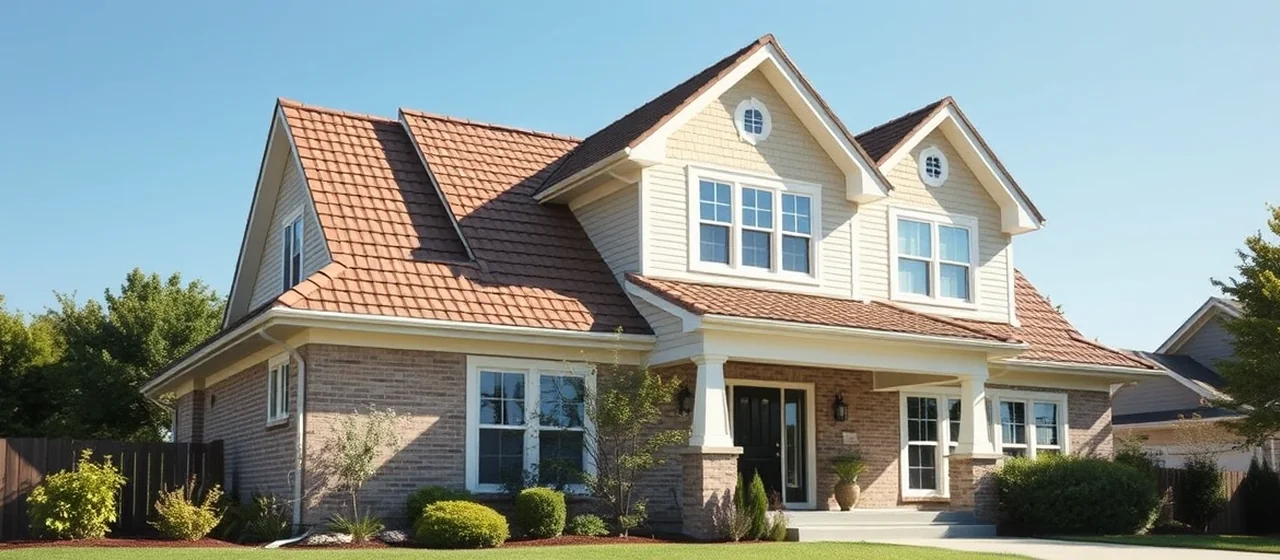
When you collect estimates, the warranty language tells you as much about a contractor as the price does. A vague or unusually short workmanship warranty is a red flag; it suggests the company either does not stand behind its labor or does not expect to be around to honor it. Use the comparison process to separate engineered installers from quick-patch crews.
Get every warranty promise in writing, and ask for the actual document, not a verbal assurance. Then evaluate the company's longevity, because a 25-year workmanship warranty from a business with no track record is mostly marketing. A documented roof inspection before and after the work also creates a paper trail that protects you if you ever need to file a claim.
If you are weighing material choices at the same time, remember the warranty profiles differ by product. A standing-seam metal roof, for example, carries a much longer realistic service life than asphalt, which changes how the warranty math plays out; our metal roof vs. shingles comparison breaks that down. And before you finalize any new-roof budget, factor warranty quality into the value, not just the upfront cost.
Alpha Holistic Roofing engineers full roofing systems and backs them with honest, written workmanship coverage plus manufacturer-certified material warranties. Ask us exactly what is covered before you sign. Call (219) 221-9617 for a straight answer.
Explore Roof Installation & ReplacementCall (219) 221-9617A manufacturer warranty covers defects in the roofing materials themselves, such as shingles that fail prematurely due to a production flaw. A workmanship warranty comes from the contractor and covers installation errors like bad flashing, poorly sealed penetrations, or improper nailing. Materials are covered by the manufacturer; how they were installed is covered by your roofer.
No. Storm, hail, and wind damage are excluded from both manufacturer and workmanship warranties because they are external events, not product or installation defects. That damage is covered by your homeowner's insurance policy instead. In Indianapolis, where hail and high winds are common, knowing this distinction up front means you file the right kind of claim.
Common warranty-killers include inadequate attic ventilation, installing new shingles over old ones, unauthorized repairs by another contractor, drilling for satellite or solar mounts, failing to register the product, and skipping required maintenance. Improper ventilation is the single most frequent reason a manufacturer denies a claim, so it pays to confirm yours meets spec.
Rarely. Most long-term material warranties are prorated, meaning full or near-full coverage applies only during an early non-prorated window, often the first 10 to 15 years. After that, the payout drops to a small fraction of replacement cost and typically excludes labor. Read the prorated schedule so you know what the warranty is actually worth over time.
Sometimes, but not automatically. Many manufacturer warranties allow a one-time transfer to the first subsequent homeowner if you notify the manufacturer within a set window, often 30 to 60 days after the sale. Workmanship warranty transferability depends entirely on the contractor. Always ask whether both warranties transfer before you buy or sell, since it affects resale value.
Reputable roofers typically offer workmanship warranties ranging from 5 years to lifetime, while storm-chasing crews may offer only a year or none at all. More important than the number is the company's longevity, because a 25-year warranty from a business that disappears is worthless. Choose an established local roofer with a documented track record.