
The short answer: repair your roof when the damage is isolated, the roof is under about 15 years old, and the underlying deck and structure are sound, replace it when damage is widespread, the roof is near the end of its rated lifespan, or you are paying for the same repair more than once. The deciding factors are roof age, the percentage of the surface affected, the condition of the deck beneath the shingles, and the cost of a repair measured against the years it actually buys you.
That sounds simple, but the gray zone in the middle is where most Indianapolis homeowners get stuck and where a lot of money gets wasted. A roofer who only patches will under-serve a failing roof, and a roofer who only sells replacements will talk you out of a perfectly good repair. This guide walks through the same honest framework we use in the field across Central Indiana, so you can make the call based on the system, not a sales pitch.
Forget the gut-feel approach. Whether you should repair or replace comes down to four measurable factors, and you only replace when several of them point the same direction. One bad shingle does not mean you need a new roof, and an old roof is not automatically a lost cause.
Here is the framework we apply to every roof we inspect, in order of weight:
Most roofing problems are repairs, not replacements, and a good company will tell you that plainly. If your roof is structurally sound and the damage is contained, fixing the specific failure point is almost always the responsible choice. Replacing a 10-year-old roof because of one wind-lifted section is wasteful.
Lean toward repair when the issue is localized and the rest of the roof has plenty of life left. Common scenarios we handle with a targeted roof leak repair rather than a full tear-off include:
Replacement becomes the honest answer when repairs stop being economical, when the failure is systemic, or when you are about to pour money into a roof that is going to fail anyway. The goal of a holistic roofer is not to sell you the biggest job. It is to stop you from buying the same repair three times.
Plan for a full roof installation and replacement when you see these signs:
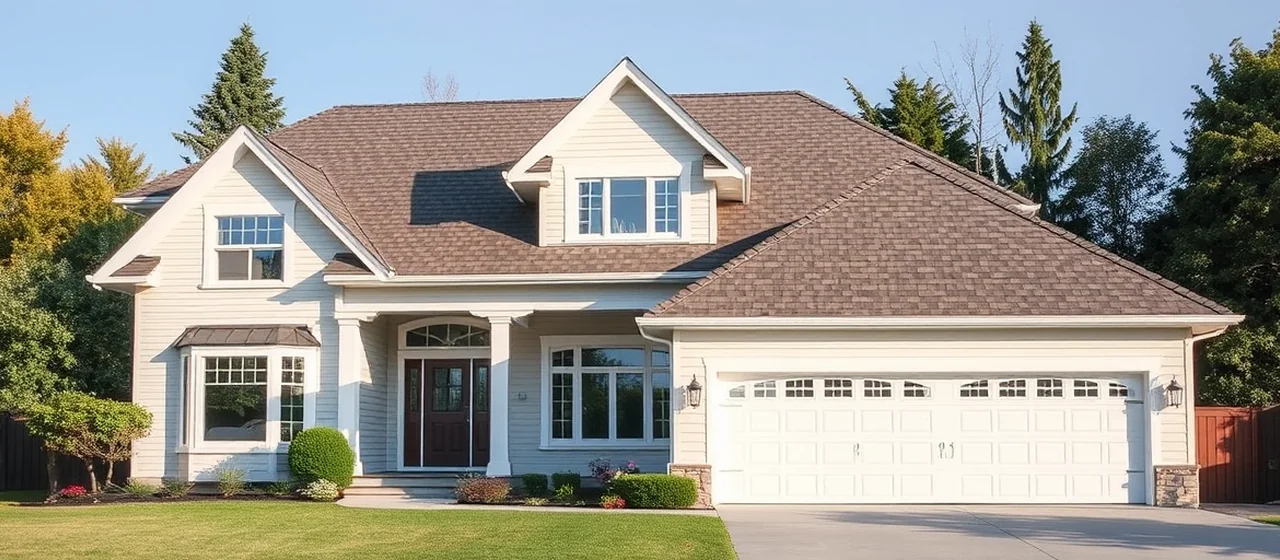
Central Indiana is genuinely hard on roofs, and that changes the repair-vs-replacement math compared to milder climates. Indianapolis sees real freeze-thaw cycling through winter, and our spring and summer bring the kind of severe storms that produce wind and hail damage across whole neighborhoods at once.
Freeze-thaw is the quiet killer. Water works into a tiny crack or under a lifted shingle, freezes overnight, expands, and pries the gap wider. Repeat that dozens of times each winter and a minor flaw becomes a leak. Ice damming at the eaves, driven by poor attic insulation and ventilation, backs water up under the shingles and is one of the most common winter leak sources we see in older Indy homes. Improving attic insulation is often part of a lasting fix, not just patching the symptom on the roof surface.
Storm damage flips the equation in a different way. After a hail event, the damage is often spread across the entire roof even when it looks fine from the ground, and it may be covered by your homeowners policy. In that case a documented hail damage roof repair inspection can determine whether you are looking at a covered repair or a covered replacement, which dramatically changes your out-of-pocket cost.
Age is the single most useful number in this decision because it sets the ceiling on how much value a repair can recover. Spending real money to extend a roof that is already past its rated life rarely pays off. Here is roughly what to expect from common Indiana roofing materials, assuming proper installation and ventilation:
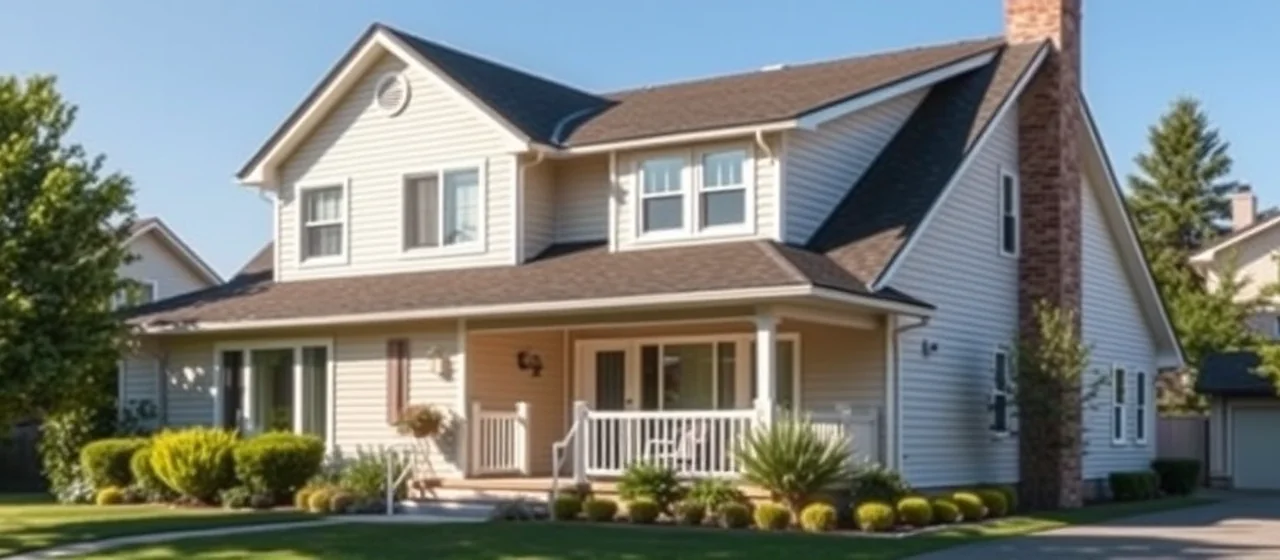
You cannot make this decision accurately from the ground or from a single photo. The condition of the deck, the flashings, the ventilation, and the attic side of the roof all matter, and they are invisible from the driveway. This is exactly why a thorough, documented roof inspection is the step that should come before any repair-or-replace decision, not after.
A real inspection walks the roof surface, checks every penetration and flashing detail, evaluates the decking and ventilation from inside the attic, and documents everything with photos. The output should be a clear, honest recommendation with the reasoning shown, so you understand why repair or replacement is being suggested rather than just being handed a price. That transparency is the whole point of engineering a roof as a system instead of patching symptoms.
If you are weighing the decision in Indianapolis or the surrounding suburbs, our team serves homeowners across Indianapolis and Central Indiana and is happy to give you the straight answer, including the times when the straight answer is "this roof has years left, just fix this one spot."
Our Indianapolis team inspects your roof as a complete system, documents what we find, and tells you straight whether a repair will hold or a replacement is the smarter investment. No pressure, no patchwork. Call (219) 221-9617 or request your inspection today.
Explore Roof Replacement OptionsCall (219) 221-9617A repair almost always costs less up front, often a few hundred to a couple thousand dollars versus \$10,000 or more for a replacement. But the smarter comparison is cost-per-year. A \$700 repair that buys two years on a worn-out roof costs \$350/year, while a new roof that lasts 25 years costs under \$500/year for a fully warrantied system. On a roof near end-of-life, repeated repairs can quietly cost more than replacing it once.
Most architectural asphalt roofs in Indiana are candidates for replacement around 20-30 years, and 3-tab shingles around 15-20 years. Age alone is not the trigger, though. A 22-year-old roof with no active problems may still be repairable, while a 12-year-old roof with widespread storm damage might warrant replacement. Age sets the ceiling on how much value a repair can recover.
Yes. Partial repairs are common and appropriate when the damage is contained to one section, the rest of the roof is in good shape, and the deck underneath is sound. The main caveats are color matching on older shingles and making sure the repair addresses the true source, such as flashing rather than the shingle itself. A localized repair on an otherwise healthy roof is usually the responsible choice.
Homeowners insurance often covers roof damage from a covered event like hail or windstorm, and it may pay for either a repair or a full replacement depending on the extent of the damage. It generally does not cover wear from age or deferred maintenance. After a storm, a documented inspection determines whether you have a covered claim and whether it points to a repair or a replacement.
Freeze-thaw is one of the biggest hidden stressors on Central Indiana roofs. Water seeps into small cracks or under lifted shingles, freezes and expands overnight, then prying gaps wider with each cycle. Combined with ice damming at the eaves, this turns minor flaws into leaks over a single winter. Good attic insulation and ventilation are often part of a lasting fix, not just surface patching.
Yes, always. You cannot accurately judge repair versus replacement from the ground. The condition of the deck, flashings, ventilation, and attic side of the roof are invisible from the driveway and frequently change the recommendation. A documented inspection with photos gives you the reasoning behind the call, so you are deciding based on the actual condition of the system.