
By Sam Harper · 5 min read
For most Indiana homes, asphalt shingles win on upfront cost (roughly $4.50-$7.50 per square foot installed) while standing seam metal wins on lifespan and total long-term value (often $9-$16 per square foot installed, lasting 40-70 years versus 18-25 for shingles). The right answer depends on how long you plan to stay in the home, your budget, and how much you value durability against Central Indiana's freeze-thaw cycles, summer hail, and high winds.
There is no universally "better" roof, only the better roof for your house, your timeline, and your budget. Below, we break down the real numbers and performance differences that matter in Indianapolis and surrounding counties, so you can choose with confidence instead of guessing. Our approach is to engineer a roof system that fits your home, not to push one product over another.
Before we dig into the details, here is the short version. Asphalt shingles are the practical default for Indiana homeowners who want a reliable, attractive roof at a moderate price and may not stay in the home for decades. Metal roofing is the long-game choice for homeowners who plan to stay put, want the lowest lifetime cost per year, and value a roof that shrugs off hail, wind, and heavy snow loads.
Both materials perform well in Central Indiana when installed correctly. The bigger predictor of how long any roof lasts is not just the material but the quality of the installation, the ventilation, and the underlayment system beneath it. A cheap install of a premium material will still fail early.
Cost is usually the first question, and it is where shingles have a clear advantage. A standard architectural (dimensional) asphalt shingle roof in the Indianapolis area typically runs $4.50 to $7.50 per square foot installed, depending on roof complexity, tear-off, and shingle grade. For an average 1,800-square-foot roof, that often lands in the $9,000-$16,000 range.
Metal roofing costs more upfront. Exposed-fastener metal panels are the most affordable metal option, while standing seam metal typically runs $9 to $16 per square foot installed in Central Indiana. The same average roof might cost $18,000-$30,000 or more. That gap is real, and it is why many homeowners default to shingles.
The picture changes when you divide cost by lifespan. A shingle roof lasting 22 years costs you roughly $600-$700 per year of service. A metal roof lasting 50 years can drop to $500 or less per year, and you avoid one or two full replacements over the life of the home. If you plan to stay long term, metal frequently wins on total cost of ownership even though it loses on the sticker price. You can compare the full range of premium options on our metal and premium roofing page.
Indiana roofs take a beating. Summer brings hail and straight-line winds; winter brings repeated freeze-thaw cycles that work water into any small gap and pry it wider as ice expands. The roof material you choose has to handle all of it.
Asphalt shingles last 18-25 years in our climate when well ventilated and properly installed. Their main vulnerabilities are granule loss from hail and UV, lifted or torn tabs from high wind, and ice damming at the eaves during cold snaps. Quality matters here: a premium architectural or impact-rated shingle holds up far better than a builder-grade three-tab.
Metal roofing lasts 40-70 years and handles Indiana's extremes exceptionally well. Standing seam systems have concealed fasteners and interlocking seams that resist wind uplift and shed snow and meltwater quickly, which reduces ice-dam risk. Metal does not absorb water, so freeze-thaw cycling has little to grab onto. Both materials can be damaged by large hail, but metal dents far less often than shingles tear, and a standing seam metal roof is one of the most storm-resilient options available for a residential home.
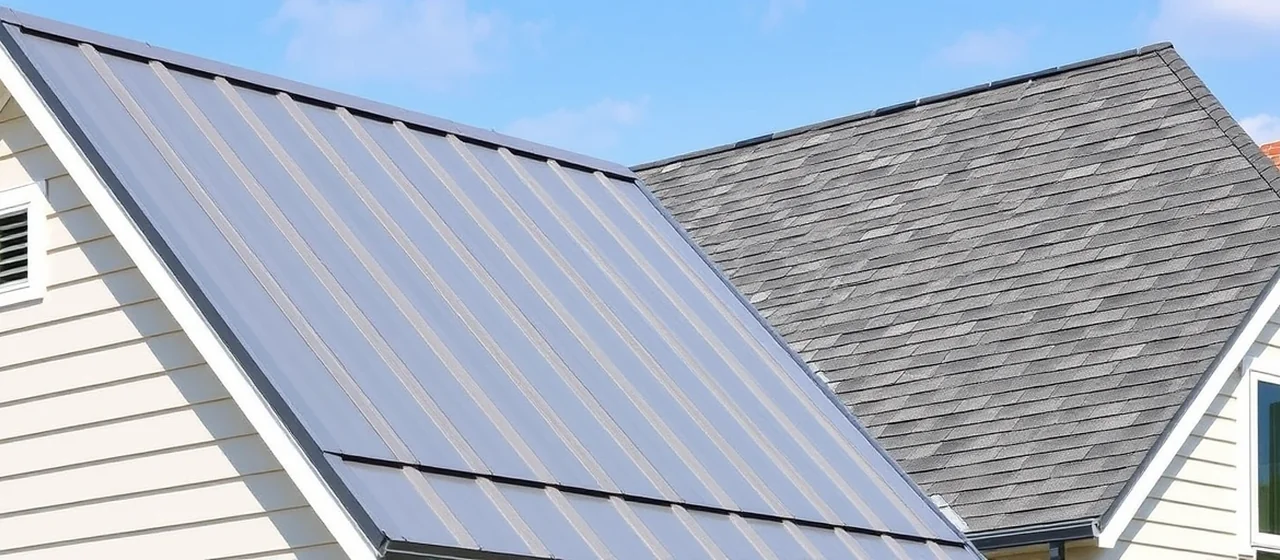
Energy performance is where metal quietly pulls ahead, especially during Indiana's hot, humid summers. Metal roofing reflects solar radiation rather than absorbing it, and reflective or cool-rated metal finishes can lower attic temperatures noticeably. That reduces the load on your air conditioning and can trim cooling costs over a long, sunny stretch.
Asphalt shingles absorb more heat, though lighter colors and good attic ventilation narrow the gap considerably. In both cases, the single biggest energy factor is what is happening below the roof deck. Proper attic insulation and balanced ventilation do more for your comfort and energy bills than the roofing material alone.
The holistic point is that a roof is a system, not just a surface. Reflective metal on top of a poorly insulated, poorly vented attic will underperform, while well-engineered shingles over an excellent attic assembly can be very efficient. We look at the whole energy-efficiency roofing system rather than treating the shingle or panel in isolation.
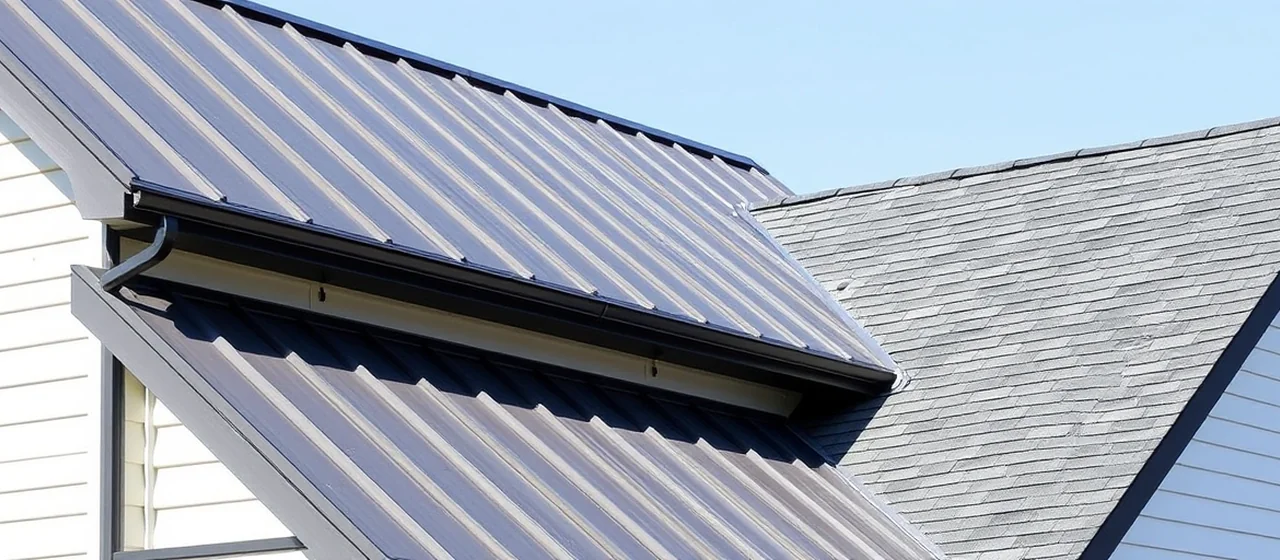
Both materials offer strong curb appeal, but in different ways. Architectural shingles deliver a classic, dimensional look that blends into almost any Indiana neighborhood and comes in dozens of color blends. Metal offers a clean, modern profile in standing seam, or it can mimic traditional looks with metal shingles and stamped panels that resemble slate, tile, or wood shake.
A few persistent myths deserve correction. Metal roofs are not noticeably louder in rain when installed over a solid deck with proper underlayment; the sound is comparable to shingles. Metal does not attract lightning, and it is not prone to rust when modern coated steel or aluminum is used. And asphalt shingles are not "cheap" in a negative sense; a quality shingle system is a proven, well-engineered product trusted on millions of homes.
The smartest way to choose is to weigh your honest answers to a few questions rather than chasing the "best" material in the abstract. Start with your timeline, then layer in budget and priorities.
If you will likely sell within 7-10 years, a quality architectural or impact-rated shingle roof usually delivers the best return for the dollar. If this is your long-term or forever home, metal's lifespan and low annual cost often make it the better investment. If your top concern is storm survivability after a rough hail season, metal or impact-rated shingles should lead your shortlist.
Whichever direction you lean, an honest inspection of your current roof, deck, and attic should come first. Sometimes a sound deck and good ventilation mean either material will serve you well; other times hidden decking damage changes the math. A no-pressure roof inspection gives you the real condition of your home before you commit to a material or a budget.
Our team will inspect your current roof and walk you through metal and shingle options honestly, with no pressure. We engineer a roof system around your home and timeline, not a one-size-fits-all sales pitch. Call (219) 221-9617 or request a free, detailed estimate.
Explore Metal & Premium RoofingCall (219) 221-9617A metal roof is usually worth it in Indiana if you plan to stay in your home long term. It lasts 40-70 years, resists hail and high winds, sheds snow and meltwater to reduce ice dams, and can lower summer cooling costs. The higher upfront price (about $9-$16 per square foot installed) is offset by avoiding future replacements and a lower cost per year of service.
In the Indianapolis area, standing seam metal typically costs roughly two to three times more than architectural asphalt shingles upfront. Shingles run about $4.50-$7.50 per square foot installed, while standing seam metal runs about $9-$16. Exposed-fastener metal panels sit between the two. The gap narrows when you account for metal's longer lifespan.
Yes. Quality metal roofing lasts 40-70 years, while asphalt shingles in Indiana's climate typically last 18-25 years. That means a metal roof can outlast two or even three shingle roofs, which is a major reason it often wins on total cost of ownership for long-term homeowners.
No, not when installed correctly. Over a solid roof deck with proper underlayment, a metal roof's rain noise is comparable to an asphalt shingle roof. The loud "tin roof" sound people imagine comes from bare metal over open framing, like a barn or shed, not a modern residential installation.
Metal roofing generally handles hail better because it rarely punctures and dents far less often than shingles tear or lose granules. If you prefer shingles, choose an impact-rated (Class 4) product for the best storm resistance. After any major hail event, get a roof inspection to catch damage that may not be visible from the ground.
Sometimes, but it is not always the best choice. Installing metal over shingles can be allowed by code in some cases, yet it can hide deck damage and complicate ventilation. We generally recommend a full inspection first; if the decking or ventilation needs attention, a tear-off lets us engineer a sound, long-lasting roof system from the deck up.