
For most Central Indiana homes, gutter guards are worth it when you choose a quality micro-mesh system and have them installed correctly: they cut cleaning frequency dramatically, protect against ice dams and foundation water damage, and typically pay for themselves in 3 to 8 years. They are *not* worth it when a cheap plastic screen is slapped onto undersized or pitched-wrong gutters, where they can cause more overflow than they prevent.
If you live in Indianapolis or anywhere in Central Indiana, your gutters work harder than most. Spring storms dump heavy rain and tree debris, summer brings hail and wind-blown grit, fall fills troughs with maple and oak leaves, and winter freeze-thaw cycles turn any clog into an ice dam waiting to happen. Whether a gutter guard is a smart investment or a waste of money depends entirely on the product, the installation, and your specific roof. This guide breaks down the real costs, the types that actually work here, and exactly when guards pay off.
Gutter guards are worth it when three conditions are met: you have trees near the house, your gutters and fascia are in sound shape, and you install a debris-shedding system rated for heavy rain. In that scenario, guards eliminate most twice-a-year cleanings, reduce the standing water that feeds ice dams, and extend the life of the gutter system by keeping it dry between storms.
They are a poor investment in a few specific cases. If your gutters are already sagging, rusted, or pitched incorrectly, a guard just hides a failing system. If you buy the cheapest foam or plastic-screen product, you may trade leaf clogs for shingle-grit clogs and overflow. And if you have zero overhanging trees, the payback on labor and cleaning savings stretches long enough that simple seasonal maintenance often makes more sense.
The honest takeaway: the *concept* of gutter protection is sound, but the value lives entirely in product quality and installation. A $5-per-foot micro-mesh system installed level and flashed properly is worth it. A $1.50-per-foot snap-in screen on a neglected gutter rarely is.
Indianapolis weather is exactly the kind that makes clogged gutters dangerous. When leaves and shingle grit pack a gutter, water cannot drain. In summer that means overflow against your foundation and fascia. In winter, that trapped water freezes, expands, and contributes to ice dams that push meltwater back under your shingles. We cover the freeze cycle in detail in our guide on how to prevent ice dams, and clear gutters are one of the most important defenses.
A good gutter guard keeps the trough open so water can always reach the downspouts. That does three things at once: it protects your fascia, soffit, and roof edge from chronic moisture; it sends roof runoff away from your basement and foundation instead of pooling beside the house; and it reduces the standing water and debris that ice dams need to form. For a holistic roofing system, gutters are not an accessory: they are the drainage half of keeping water off your home.
Guards do not make gutters maintenance-free, and any installer who promises that is overselling. What they do is change the job from clearing packed, rotting leaves twice a year to occasionally rinsing fine grit off the top of a mesh: a far smaller, safer task. If you want to see how gutters fit into a complete water-management plan, our gutter systems services page walks through the full picture.
Not all guards are created equal, and the type you choose drives whether the investment pays off. Here is how the main categories perform in our climate, where you need to handle both fine maple seeds and heavy storm runoff.
Micro-mesh is the system we recommend for most Indianapolis homes. A fine stainless-steel mesh over a rigid frame blocks nearly everything, including pine needles and shingle grit, while letting heavy rain through. Surface-tension (reverse-curve) guards work by curving water over a lip into the gutter, but they can overshoot in the downpours common during Indiana storm season. Screens and perforated metal are a budget middle ground, and foam or brush inserts are the cheapest but the least durable.
Match the guard to your trees and your roof pitch. If you have pines or lots of fine debris, micro-mesh is the only category that reliably keeps it out. If you have a steep roof that dumps water fast, prioritize a system rated for high flow so you do not trade clogs for overflow.
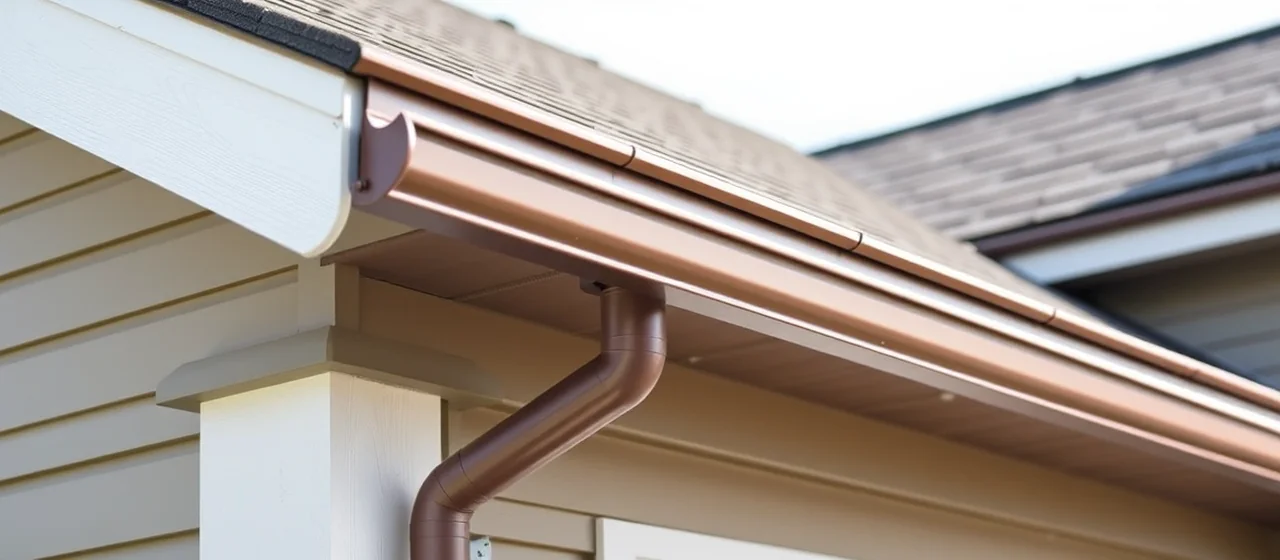
Professionally installed gutter guards in the Indianapolis area generally run $6 to $12 per linear foot for quality mid-range micro-mesh, while premium national brands can reach $15 to $45 per linear foot. A typical single-story home with roughly 150 to 200 linear feet of gutter usually lands somewhere between $1,000 and $2,500 for a solid micro-mesh installation, with cheaper screen systems coming in lower and premium brands higher.
Several Indiana-specific factors move that number. Two-story and steep roofs cost more because of access and safety. Homes with heavy tree cover may need a finer mesh. And if your existing gutters are undersized for our storm runoff, an installer may recommend upsizing to 6-inch K-style gutters first, which adds cost but prevents overflow. If your gutters are at end of life anyway, pairing guards with new gutter installation is far more cost-effective than guarding gutters you will replace in two years.
Be wary of high-pressure quotes from door-to-door national brands that bundle a lifetime warranty into a sky-high per-foot price. A local installer who sizes the system to your actual roof and trees usually delivers the same protection for far less. For a clear breakdown of guard options and pricing for your home, our gutter guards service page is the place to start.
The financial case for gutter guards is mostly about replacing recurring cleaning costs with a one-time investment. In Central Indiana, professional gutter cleaning typically runs $150 to $250 per visit, and most homes near trees need two cleanings a year. That is $300 to $500 annually, every year, indefinitely.
Run the numbers: if you install $1,500 of quality micro-mesh and it eliminates two $200 cleanings a year, you recoup the cost in roughly four years, then save money every year after. Over a 20-year guard lifespan, the cleaning savings alone can run into the thousands. That is before you count the avoided costs of fascia rot, foundation water intrusion, or ice-dam roof repairs, which dwarf cleaning bills.
The payback shortens dramatically if you currently pay someone to climb a two-story ladder, and it lengthens if you have no trees and could clean the gutters yourself in an afternoon. Be honest about your own situation: the guards that pay off fastest are on homes with heavy debris, tall ladders, and owners who would otherwise be hiring out the work.
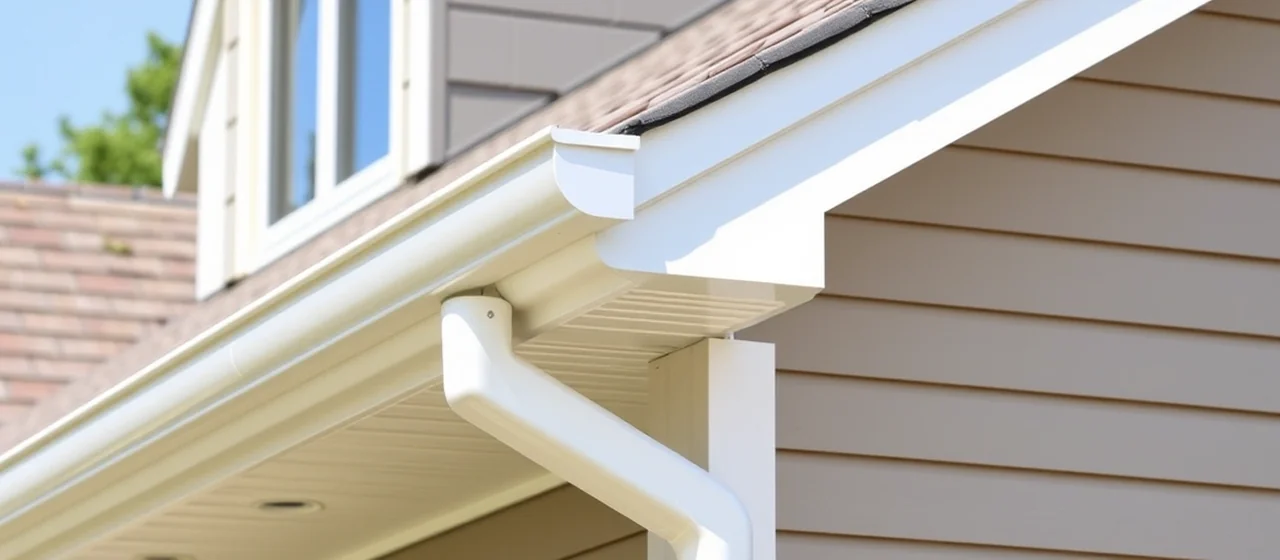
Guards earn their bad reputation in predictable ways, and almost all of them trace back to product choice or installation. The single most common problem is overflow: if a guard cannot pass water as fast as your roof sheds it during a downpour, rain sheets right over the edge. This is most common with cheap reverse-curve and solid-cover designs on steep roofs during the heavy rain we see in spring storm season.
The second issue is fine-debris buildup on top of the mesh. Micro-mesh blocks tiny particles, which is the point, but shingle grit and pollen can form a film that needs an occasional rinse. Skip that, and even a great guard can shed water off the top instead of through it. Foam and brush inserts are worse: they hold moisture and organic matter inside the gutter, which can accelerate corrosion and even feed mold.
Finally, guards can hide developing problems. A sagging gutter, a loose downspout, or storm damage to your roof edge will keep getting worse out of sight. That is why an annual look matters. If a recent storm may have damaged your gutters or roof edge, our storm and emergency roofing team can inspect before small issues become expensive ones.
The difference between a smart investment and buyer's remorse comes down to a few decisions you make before installation. First, fix the gutters before you guard them. Re-pitch sagging runs, reseal leaking joints, and upsize undersized troughs so the system can handle Indiana storm volume. Guarding a failing gutter just buries the problem.
Second, choose the right product for your trees and roof. For most homes here, that means a rigid-frame stainless micro-mesh rated for high flow. Avoid foam and brush inserts unless you want a short-term DIY patch. Third, insist on correct installation: guards should never lift shingles or void your roofing warranty, and they must be pitched to drain, not trap water at the back of the trough.
Finally, keep up the light maintenance. A quick rinse and a visual check once or twice a year keeps fine grit moving and catches any storm damage early. Done right, gutter guards become one of the lowest-effort, highest-value upgrades on your house. If you are weighing guards as part of a larger roof and exterior plan, it is worth pairing the conversation with a roof inspection so the whole water-shedding system is evaluated together.
Not sure which guard fits your roof, trees, and budget? Alpha Holistic Roofing inspects your full gutter system and recommends a solution that actually pays off, no high-pressure pitch. Call (219) 221-9617 for a straight answer.
Explore Gutter Systems ServicesCall (219) 221-9617For most Central Indiana homes with nearby trees and sound gutters, yes. Quality micro-mesh guards cut cleaning frequency, reduce ice-dam and overflow risk, and typically pay for themselves in 3 to 8 years. They are not worth it on failing or undersized gutters that should be replaced first.
Rigid-frame stainless micro-mesh rated for high flow is the best all-around choice here. It blocks fine debris like maple seeds and shingle grit while passing the heavy rain common in Indiana storm season, where cheaper reverse-curve and solid-cover guards tend to overflow.
Quality mid-range micro-mesh runs about $6 to $12 per linear foot installed in the Indianapolis area, while premium national brands can reach $15 to $45 per foot. A typical home with 150 to 200 feet of gutter usually costs $1,000 to $2,500 for a solid micro-mesh installation.
Guards help by keeping gutters clear so water drains instead of freezing in clogged troughs, but they do not prevent ice dams on their own. Proper attic insulation and roof ventilation, combined with clear gutters, are the real fix for the freeze-thaw cycles that cause ice dams.
Yes, but far less. Guards eliminate the packed-leaf cleanouts; what remains is an occasional rinse of fine grit off the mesh and an annual visual check. Plan on a quick once- or twice-a-year look rather than the messy seasonal cleaning guards replace.
Poorly installed guards can lift shingles or void a roofing warranty, and foam or brush inserts can trap moisture that corrodes gutters. Properly installed rigid guards that do not slide under shingles are safe. Always have them fitted by a roofer who understands the whole roof-edge system.