
A roof maintenance checklist for an Indiana home should follow the seasons: clear debris and inspect for winter damage in spring, check ventilation and seals in summer, clean gutters and prep for snow in fall, and watch for ice dams and ice-related strain in winter. Done twice a year (spring and fall) at minimum, this routine catches small problems before freeze-thaw cycles, hail, and heavy snow turn them into expensive leaks or premature replacement.
Central Indiana is hard on roofs. Indianapolis sees roughly 35 to 40 inches of rain a year, dozens of freeze-thaw cycles each winter, and a spring-to-summer storm season that delivers hail and straight-line winds. Every one of those forces finds the weak point in a roofing system first. The good news is that most of those weak points are predictable, and a consistent seasonal maintenance habit keeps them from ever becoming emergencies. This checklist walks through what to do each season, what you can safely handle from the ground, and where it pays to bring in a professional.
Roofs do not usually fail all at once. They fail in slow motion, one missed detail at a time, until water finally finds a path inside. Seasonal maintenance interrupts that slow decline. By inspecting and servicing your roof at predictable points in the year, you align your attention with the specific stresses each Indiana season delivers.
The biggest single threat here is the freeze-thaw cycle. When water seeps into a hairline crack, a lifted shingle edge, or a gap in flashing, then freezes overnight, it expands and widens that opening. Repeat that dozens of times each winter and a minor flaw becomes an open door for moisture. Add hail and wind from spring storms, UV degradation through summer, and snow load in deep winter, and it becomes clear why a set-it-and-forget-it roof rarely reaches its full lifespan.
Maintenance is also the cheapest roofing money you will ever spend. A tube of sealant, a gutter cleaning, or a small flashing repair costs a fraction of what water damage to insulation, drywall, and framing runs. We build and inspect roofs as connected systems rather than patchwork, and the same philosophy applies to upkeep: small, consistent attention to the whole system prevents the cascade failures that lead to a full roof replacement.
Spring is the most important inspection point of the year because it lets you assess winter damage and prepare for storm season at the same time. After months of snow, ice, and freeze-thaw stress, this is when hidden problems surface. Walk your property on a dry, calm day and work through the list below from the ground using binoculars where you can.
Pay special attention to anything that moved over winter: lifted shingles, dislodged flashing, and granules collecting at the bottom of downspouts. Granule loss in particular is an early sign that asphalt shingles are aging out. If you find storm-related damage, document it with photos before any repairs, since this is also the start of Indiana's hail and wind claim season. Our guide to filing a roof insurance claim walks through that process in detail.
Summer brings intense UV exposure and attic heat that can reach well over 130 degrees in an under-ventilated Indianapolis home. That heat bakes shingles from above and below, accelerating wear and driving up cooling bills. Summer maintenance focuses on heat management, ventilation, and catching any damage left by the early-summer storm season.
This is the season to verify your attic is breathing properly. Poor roof ventilation traps heat and moisture, which shortens shingle life and can void some manufacturer warranties. Check that soffit and ridge vents are unobstructed and that bathroom and kitchen fans vent outside rather than into the attic. If summer storms rolled through, inspect for hail bruising and wind damage while it is still fresh; lingering soft spots on shingles are a sign to schedule a professional look or hail damage repair.
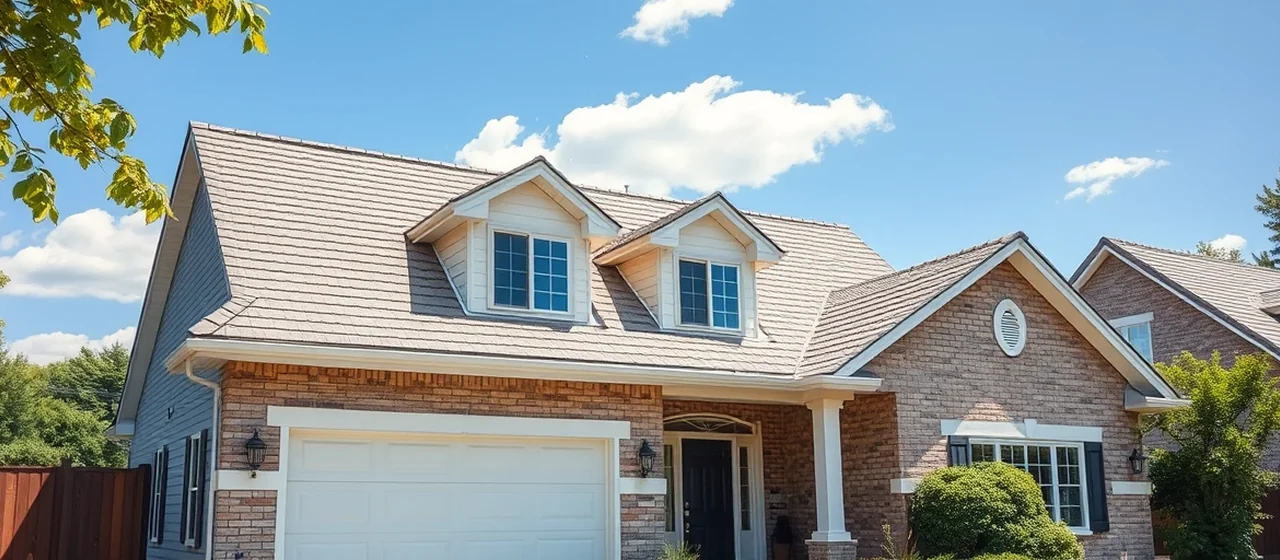
Fall is the second essential checkpoint, and it is all about preparation. Whatever condition your roof is in when the first hard freeze arrives is the condition it will fight winter in, so this is your last clear-weather window to fix problems before snow and ice set in. Indiana's tree cover also means gutters fill fast in autumn, and clogged gutters are a leading cause of ice dams.
Gutter maintenance is the headline task. Clean every run, confirm water flows freely to downspouts, and make sure downspouts carry water several feet away from the foundation. If you are tired of cleaning gutters twice a season, this is a sensible time to consider gutter guards or a full gutter system upgrade. Also seal any gaps you find now, because cold weather makes most sealants and adhesives far harder to apply correctly.
Winter maintenance is mostly about monitoring and safe intervention, not climbing on an icy roof. The two main threats are snow load on the structure and ice dams along the eaves. Ice dams form when heat escaping into the attic melts snow, which then refreezes at the cold roof edge and backs water up under the shingles. They are one of the most common causes of winter leaks in Central Indiana.
After heavy snowfall, watch your eaves and gutters for thick ice buildup and large icicles, both classic ice dam warning signs. Use a roof rake from the ground to pull snow off the lower few feet of roof rather than climbing up. Never chip at ice with a hammer or shovel, which damages shingles. If you see interior staining or active dripping, treat it as urgent. Our deeper guide on ice dams covers prevention, and for active winter leaks our emergency roof repair team responds fast.

Plenty of this checklist is safe and effective for a careful homeowner: ground-level visual inspections with binoculars, gutter cleaning from a stable ladder, clearing light debris, trimming overhanging branches, and monitoring the attic. These tasks cost nothing but time and catch the majority of early warning signs.
Other tasks belong to a professional, both for safety and accuracy. Walking a steep or wet roof, repairing flashing, replacing shingles, diagnosing the true source of a leak, and assessing storm or hail damage all require training and the right equipment. A professional roof inspection also produces documentation you can use for warranties or insurance. As a rule of thumb, schedule a professional inspection every one to two years, and right after any major storm. If you are unsure whether an issue is cosmetic or structural, it is worth a call before water finds its way inside; that is exactly what our roof repair and maintenance service is built for.
A documented inspection catches the problems a ground-level look can miss. Alpha Holistic Roofing inspects your roof as a complete system and gives you honest, prioritized recommendations, no patchwork or pressure. Serving Indianapolis and Central Indiana.
Schedule a Roof InspectionCall (219) 221-9617At minimum, inspect and service your roof twice a year, in spring and fall, plus a check after any major hail or wind storm. Spring reveals winter freeze-thaw damage, and fall prepares the roof for snow and ice. A professional inspection every one to two years is also recommended.
Cleaning your gutters and downspouts, especially in fall. Clogged gutters cause water to back up under the roof edge and are a leading cause of ice dams during Indiana winters. Free-flowing drainage protects both your roof edge and your foundation.
You can safely handle ground-level inspections with binoculars, gutter cleaning, debris removal, branch trimming, and attic checks. Leave roof walking, flashing and shingle repair, leak diagnosis, and storm damage assessment to a professional for safety and accuracy.
Ice dams form when attic heat melts snow that refreezes at the cold eaves. Prevent them by keeping your attic well insulated and ventilated so the roof stays a uniform temperature, cleaning gutters before winter, and using a roof rake from the ground to clear snow from the lower roof edge after heavy snowfall.
Yes. Consistent seasonal maintenance catches small issues, such as lifted shingles, failing sealant, and minor flashing gaps, before freeze-thaw cycles and storms turn them into leaks. This routine attention regularly helps a roof reach or exceed its expected lifespan and delays the cost of full replacement.
Call promptly if you see missing or dented shingles, granules collecting in gutters, damaged flashing, dented vents or gutters, or any interior water stains. Hail and wind damage is often hard to see from the ground and can void warranties if left unaddressed, so a professional assessment is worth scheduling.