
Asphalt shingles are the most common residential roofing material in the United States, made from a fiberglass or organic mat coated in asphalt and embedded with ceramic granules that shield the roof from sun, rain, and impact. They come in three main grades: 3-tab (the budget standard), architectural (mid-grade, dimensional, the most popular today), and luxury or designer (premium shingles that mimic slate or wood shake). For most Central Indiana homes, architectural shingles offer the best balance of cost, durability, and curb appeal.
But the right answer depends on your roof's slope, your budget, your timeline in the home, and how your shingles will hold up to Indiana's freeze-thaw cycles, summer hail, and high-wind storm season. This guide breaks down every shingle type, what they cost, how long they last, and the honest pros and cons, so you can choose a roofing system that fits your house instead of settling for whatever a salesperson is pushing this week.
An asphalt shingle is a layered building product, not a single sheet of material. Understanding the layers helps explain why some shingles last 15 years and others last 30, even though they look similar from the curb.
Every modern asphalt shingle is built around a core reinforcing mat, then sealed and surfaced to handle weather. The quality of each layer, and how well the shingle is installed, determines how the roof performs over time.
Asphalt shingles fall into three tiers. Each step up adds thickness, layers, warranty length, and price, while also improving wind and impact resistance. Knowing which tier you are looking at is the single most useful thing a homeowner can learn before getting quotes.
No roofing material is perfect, and an honest comparison matters more than a sales pitch. Asphalt shingles dominate the market for good reasons, but they are not the right answer for every roof, especially low-slope sections where a flat roofing system is the correct engineering choice.
Here is the balanced view we share with Indianapolis homeowners before they commit.
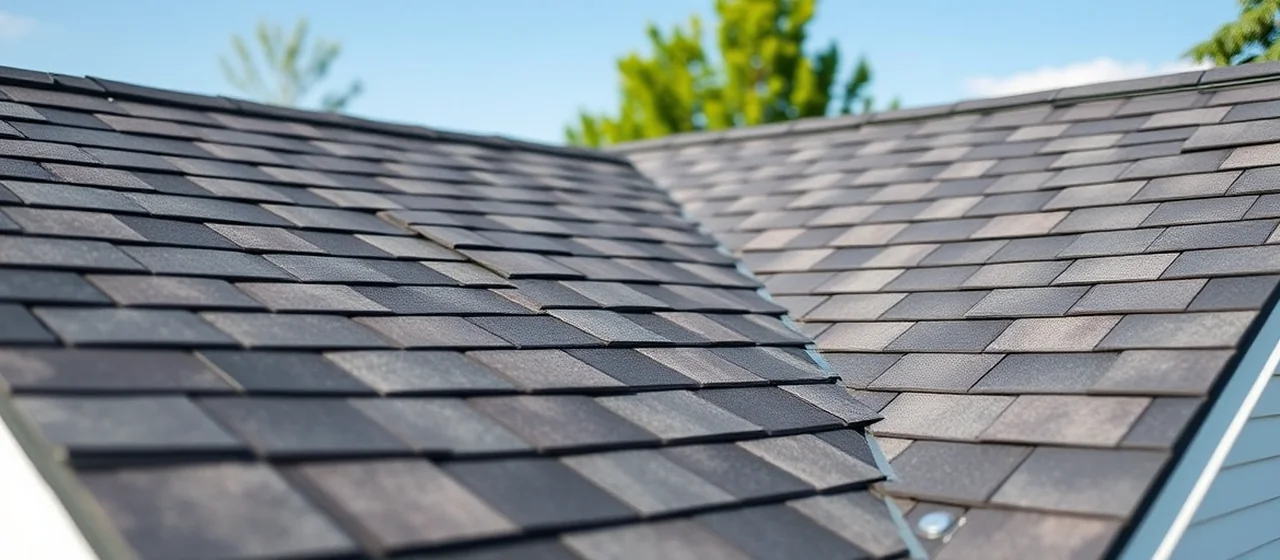
Central Indiana puts roofing through a tough annual cycle, and that cycle should drive your shingle choice more than color or brand loyalty. Indianapolis sits in a zone that sees real winter cold, humid summers, and a spring and summer storm season that regularly delivers damaging wind and hail.
Three local stressors matter most. Freeze-thaw cycling repeatedly expands and contracts shingles as temperatures swing above and below freezing, which can crack brittle, low-grade asphalt and loosen seals over a winter. Hail and wind from spring and summer storms bruise and tear shingles, and lower-tier products with weaker wind ratings are the first to fail. Summer humidity feeds the black algae streaking you see on many older Indiana roofs, which is cosmetic but signals an aging surface.
For these reasons, we generally steer Indianapolis homeowners toward architectural or impact-rated (Class 4) shingles rather than basic 3-tab. The upgrade cost is modest, and the payoff in wind resistance and freeze-thaw durability is significant. If your roof has already taken storm damage, our storm and emergency roofing team can assess whether a repair or full replacement makes more sense, and document it for an insurance claim.
The most common homeowner questions are how long shingles last and what they cost. The honest answer to both is, it depends on the tier you choose and the quality of installation, since a perfect shingle installed poorly will fail early.
As a general planning guide for Central Indiana, expect roughly these ranges. Actual pricing varies with roof size, pitch, complexity, tear-off layers, and current material costs, so treat these as starting points rather than quotes.
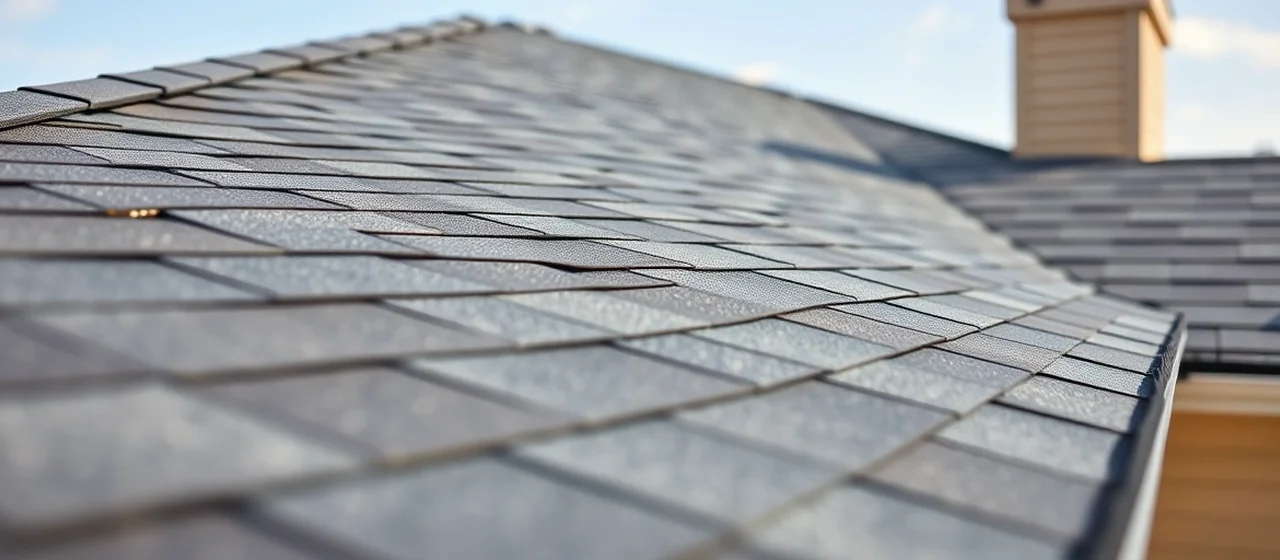
Asphalt is the default, but it is worth knowing where it sits against the alternatives so you choose with eyes open rather than by habit.
Compared to metal roofing, asphalt is cheaper upfront and easier to repair, but metal lasts longer, sheds snow better, and resists hail more effectively. We cover this head-to-head in our metal roof vs. shingles comparison. Compared to natural slate or tile, asphalt is far lighter and less expensive, but it will not match their multi-generational lifespan. Compared to wood shake, modern luxury asphalt offers a similar look with better fire resistance and far less maintenance.
The practical takeaway: for a typical Indianapolis home where the owner plans to stay 10-25 years, architectural asphalt usually wins on value. If you plan to stay for decades, or you want the lowest long-term lifecycle cost, it is worth pricing a metal system before deciding. A good roofer will run both numbers for you instead of pushing one product.
Not every aging roof needs full replacement, and not every leak is fixable with a patch. The deciding factors are the roof's age, the extent of damage, and whether problems are isolated or widespread.
Lean toward repair when damage is localized, the roof is well within its expected lifespan, and the underlying deck and underlayment are sound, for example a handful of shingles torn off in a windstorm or a single failed flashing. Lean toward replacement when the roof is near the end of its rated life, shingles are curling or losing granules across large areas, or you are facing repeated leaks in multiple spots.
The smartest first step is a professional roof inspection, especially after a major storm. An inspection tells you what you actually have rather than what you fear, and it creates documentation you will need for any insurance claim. You can also walk your own property using our roof inspection checklist to spot warning signs between professional visits.
Our team engineers complete roofing systems, not patchwork. Whether you need a single damaged section repaired or a full architectural shingle replacement, we will give you an honest assessment and clear pricing for your Central Indiana home.
Explore Asphalt Roofing ServicesCall (219) 221-9617For most homes, architectural (dimensional) shingles are the best choice. They cost only modestly more than basic 3-tab shingles but offer a thicker, more attractive profile, longer warranties (often 30-50 years), higher wind ratings (110-130 mph), and better impact resistance, which matters in Indiana's storm-prone climate.
Lifespan depends on the tier. 3-tab shingles typically last 15-20 years, architectural shingles last about 25-30 years, and luxury designer shingles can last 30-50 years. Indiana's freeze-thaw cycles, hail, and high winds can shorten these spans, so quality installation and ventilation are critical to reaching the full lifespan.
3-tab shingles are flat, single-layer, and have a uniform repeating pattern; they are the cheapest and thinnest option. Architectural shingles are built from two or more bonded layers, giving a thicker, dimensional, shake-like look with longer warranties, higher wind ratings, and better durability. Architectural shingles are now the most popular choice.
Yes, asphalt shingles perform well in cold climates like Central Indiana, especially polymer-modified (SBS) and architectural products that stay flexible in freezing temperatures. The keys are proper installation, ice-and-water shield along eaves and valleys to prevent ice-dam leaks, and balanced attic ventilation to reduce freeze-thaw stress.
Standard asphalt shingles can be bruised, cracked, or stripped of granules by hail. For better protection in Indiana's hail-prone storm season, choose impact-rated Class 4 shingles, which are tested to resist hail strikes and may qualify for insurance discounts. After any hailstorm, a professional inspection is the best way to assess hidden damage.
Sometimes, but it is usually not recommended. Most codes allow a maximum of two layers, and overlaying hides deck damage, adds weight, traps heat, and can shorten the new roof's life. A full tear-off lets the roofer inspect and repair the decking, install fresh underlayment, and gives you the longest, most reliable result.