
The clearest hail damage signs on a roof are circular bruises or dark spots on asphalt shingles, scattered granule loss exposing the black mat underneath, cracked or shattered shingles, and dents on metal flashing, vents, and gutters. Most homeowners can spot the supporting clues from the ground, soft metal surfaces, downspouts, window screens, and a deck or AC fin that show fresh dings, but the shingle damage itself usually needs a closer, safer look.
In Central Indiana, hail is not a rare event. Indianapolis and the surrounding counties sit in a part of the Midwest that regularly sees spring and early-summer storms capable of dropping pea-sized to golf-ball-sized hail. The tricky part is that hail damage is often invisible from the curb. A roof can look perfectly fine while its shingles have been bruised in dozens of spots that quietly shorten their lifespan and open the door to leaks months or years later. This guide walks you through exactly what hail damage looks like, where to check, what is easy to mistake for it, and how to know when it is time for a professional storm inspection.
Hail damage is mechanical bruising. When a hailstone strikes an asphalt shingle, it doesn't always punch a hole, more often it crushes the protective granules and fractures the fiberglass mat beneath them. That fracture is the real problem. It weakens the shingle and accelerates aging long before any water gets through.
On asphalt shingles, genuine hail strikes share a recognizable look. They are random in placement (not in neat rows), they vary in size, and the bruise feels soft or spongy when you press it, similar to pressing a bruise on fruit. The black, exposed mat where granules were knocked away is one of the most reliable indicators.
You should never need to climb onto a storm-damaged roof to find the first evidence of hail. Soft metal and painted surfaces around your property act like a paint-by-numbers map of how hard the storm hit. If hail dented these, it almost certainly bruised your shingles too.
Walk the perimeter of your Indianapolis home the day after a storm and look closely at the surfaces below. Bring your phone to photograph anything fresh, time-stamped photos are valuable later if you file an insurance claim. Our roof inspection checklist covers a full walk-around routine you can repeat after any major storm.
If the ground-level signs point to a hit, the roof needs a closer look, but this is where safety matters most. Wet shingles, steep pitches, and the hidden nature of bruising make roof walking risky and easy to get wrong. Most homeowners are better served calling for a professional storm inspection than climbing up after a storm.
When a trained roofer inspects, they focus on the surfaces hail strikes hardest and the components that fail first. The north and west slopes often take the worst of a storm moving through Central Indiana, but damage can land anywhere depending on wind direction. A thorough inspection also checks the soft metal accessories that confirm a hail event even when shingle bruising is subtle.
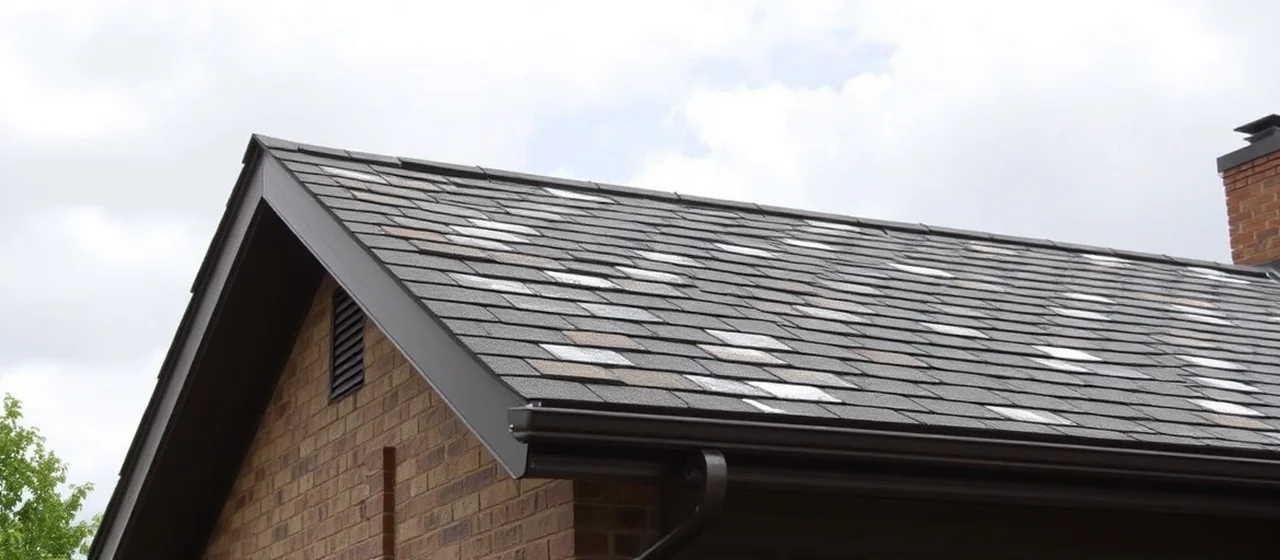
Not every mark on a roof is hail. One of the most common mistakes homeowners (and even some adjusters) make is confusing ordinary aging or manufacturing artifacts with storm damage. Knowing the difference protects you from both unnecessary worry and missed claims.
Hail bruising is random, soft to the touch, and paired with matching dents on nearby metal. Wear-and-tear damage tends to follow patterns, foot-traffic paths, granule loss clustered downslope from age, blistering in evenly spaced spots, or mechanical scuffs in straight lines. If you are weighing whether the underlying roof is simply at the end of its life, our guide on signs you need a new roof and the typical roof lifespan in Indiana can help you tell aging apart from storm impact.
Central Indiana sits in a climate corridor where warm Gulf moisture collides with cooler air masses through spring and early summer, the exact recipe for the strong updrafts that produce hail. Indianapolis, Carmel, Fishers, Greenwood, and the surrounding communities all see hail-producing storms most years, with the heaviest activity typically running from April through July.
Our freeze-thaw climate compounds the problem. A roof that takes hail bruising in May can hold together through summer, then crack and leak the following winter when water seeps into fractured shingles, freezes, expands, and pries the damage open. That delayed failure is exactly why so many storm leaks show up months after the hail, and why a prompt inspection after a significant storm matters. If you have already noticed active dripping, our storm and emergency roofing and emergency roof repair services are built for exactly this scenario.
Because hail is so common here, it is worth learning which storms produce damaging stones. Pea-sized hail (about a quarter inch) rarely harms a healthy shingle roof. Once stones reach the size of a quarter (one inch) or larger, the risk of functional bruising climbs sharply, and golf-ball-sized hail will damage almost any asphalt roof and dent metal panels.
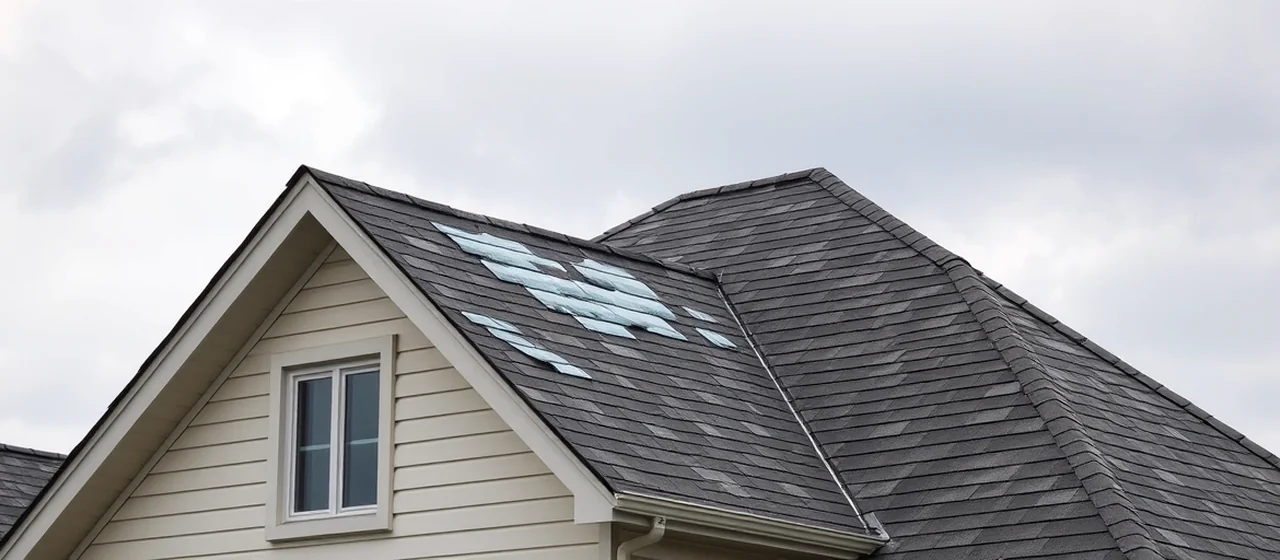
The right sequence after a hailstorm protects both your roof and your insurance options. Acting deliberately, rather than rushing to climb up or signing with the first door-knocker, gives you the strongest position. We engineer roof systems rather than patch symptoms, so our approach starts with a complete diagnosis before any repair recommendation.
If the inspection confirms functional damage, the next step depends on severity. Isolated bruising on a younger roof may call for targeted hail damage roof repair, while widespread bruising across an aging roof often points toward a full roof installation and replacement. When damage qualifies for a claim, careful documentation is everything, our walkthrough of the roof insurance claim process explains how to file without leaving money on the table.
If your Indianapolis-area home took hail and you are seeing dented gutters, granules in the downspouts, or fresh leaks, our team will inspect the full roof system and document everything you need, whether it points to a targeted repair or an insurance claim.
Request a Storm Roof InspectionCall (219) 221-9617You can spot the supporting clues from the ground, fresh dents on gutters, downspouts, metal vents, AC condenser fins, and window screens. These soft surfaces dent at the same time the shingles bruise, so they are a reliable proxy. The shingle bruising itself usually needs a closer, safer look by a professional.
Pea-sized hail (about a quarter inch) rarely harms a healthy asphalt roof. Once stones reach quarter-sized (one inch) or larger, the risk of functional shingle bruising rises sharply. Golf-ball-sized hail will damage almost any asphalt roof and visibly dent metal panels and flashing.
Most Indiana homeowner policies allow claims for a period after the storm, often one to two years, but the window and rules vary by insurer. Because hail damage can stay hidden until it causes a winter leak, it is best to inspect and document promptly while the storm date is fresh and provable.
No. Hail often fractures the shingle mat without immediately breaking through. The bruised area then weakens over time, and Indiana's freeze-thaw cycle can pry it open months later, which is why many storm leaks appear the following winter rather than right after the hail.
No. Hail bruises are random, feel soft or spongy when pressed, and come with matching dents on nearby metal. Blistering comes from trapped gas or heat, is more evenly distributed, and feels hard. Confusing the two is a common reason damage gets misjudged, so a trained inspection helps.
Yes, if the storm produced quarter-sized or larger hail or you see dented gutters and AC fins. Hail damage is frequently invisible from the curb, and an undetected bruise can shorten your roof's life and lead to leaks. A prompt professional inspection catches it while it is provable.