
When an Indiana storm tears into your roof, every hour the leak stays open is an hour water moves deeper into your home. We respond fast, stabilize the entire envelope, and rebuild the system, not just the hole.
Fast. Accurate. Transparent.
By submitting, you agree to our Privacy Policy.
Indiana weather does not negotiate. Spring and summer thunderstorms drive straight-line wind and hail across Marion County, then winter freeze-thaw cycles pry at every seam they leave behind. One breach in a shingle field, flashing line, or valley can move water into your decking, insulation, and ceilings within a single night.
Alpha Holistic Roofing treats storm response as part of The Complete Roofing Ecosystem. We dispatch from our 1401 N Meridian St office, contain the active leak, document the damage like engineers, and engineer a repair that matches the rest of your roof. When the storm forces a full tear-off, our roof installation and replacement crew rebuilds the whole system.
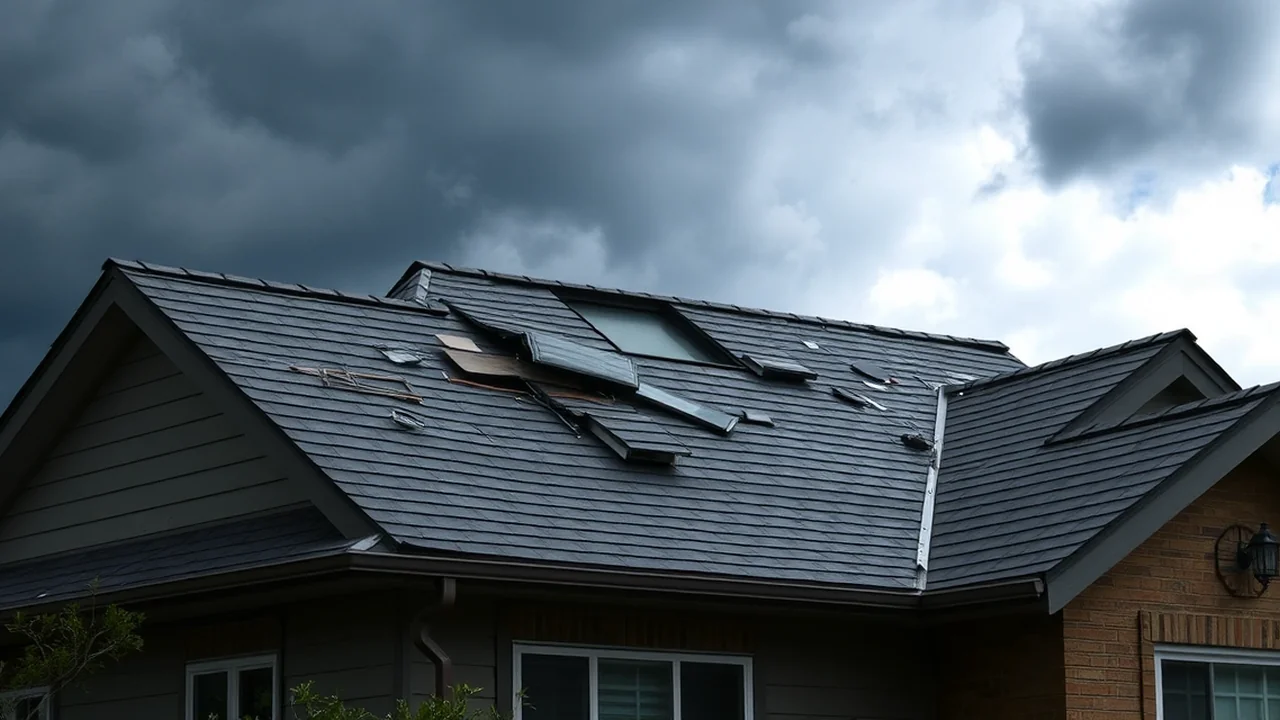
From the first 24/7 tarp to the final insurance-backed rebuild, every storm service below is engineered to protect your whole envelope.
Active leak, blown-off shingles, fallen limb, or exposed decking, we provide same-day and after-hours emergency roof leak repair dispatched across the Indianapolis metro to stop water before it spreads.
Full storm-damage workflow: emergency stabilization, documented inspection, repair-or-replace recommendation, then a system rebuild engineered to match your existing roof, not a mismatched patch.
Hail bruising, granule loss, and mat fracture are often invisible from the ground. Our chalk-tested hail damage roof repair inspection finds the impacts an adjuster needs to see before they fail.
Lifted, creased, and missing shingles plus damaged ridge caps and flashing break the wind-uplift seal. We restore the sealed system that keeps the next Indiana gust out.
Properly anchored emergency roof tarp over the breach plus interior leak containment stops the bleed in minutes, and protects the integrity of your insurance claim.
We meet your adjuster on site with a photo-documented damage report, scope, and code items, then file supplements so your roof insurance claim reflects the real repair.
A storm patch that ignores the rest of the envelope just delays the next leak. Our emergency roofing process stabilizes the breach first, then documents and rebuilds the whole system so one storm does not become a chronic problem. Here is exactly what happens from your first call to the final magnetic sweep.
An open roof at midnight cannot wait for business hours. Standard hours are Monday-Saturday 8:00 AM to 6:00 PM, with Sunday and after-hours reserved for emergencies.
If water is actively coming in, call (219) 221-9617 now. We will talk you through containing it and get a crew rolling toward your address.
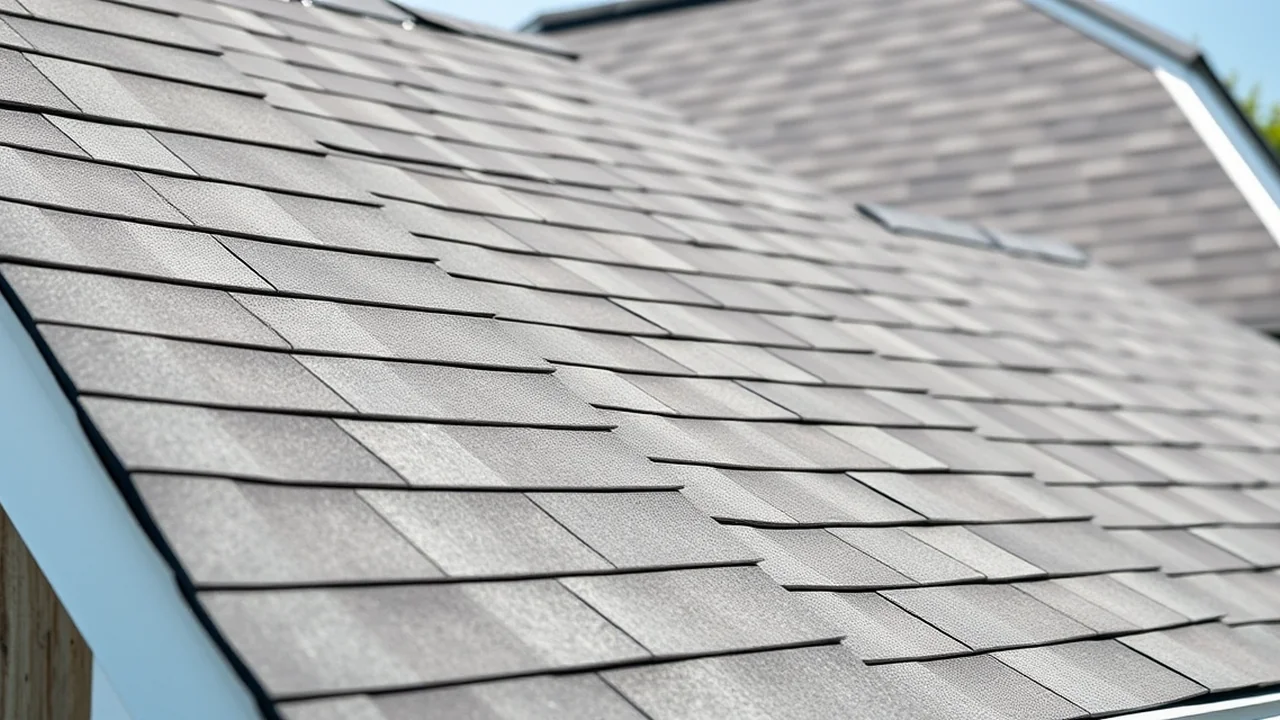
Indianapolis sees the full severe-weather menu, and each force attacks the roof system a different way. Understanding the failure point is how we engineer a lasting fix instead of a temporary cover-up.
Indiana hail bruises the shingle mat and knocks the protective granules loose, exposing the asphalt to UV and accelerating failure long after the storm passes. The damage is often invisible from the ground, so our hail inspection chalk-tests impacts across every slope before they turn into leaks.
Straight-line winds and gusts lift shingle tabs, crease them at the seal line, and strip ridge caps and flashing. Once the wind-uplift seal is broken, the next storm drives rain straight under the course. We re-seal and reinforce the field, not just replace the visible blow-offs.
Winter thaw-and-refreeze cycles widen tiny cracks, back water up under shingles, and form ice dams at the eaves that force melt under the underlayment. We address the ventilation and flashing details, often with help from our energy and ventilation team, that let ice dams form in the first place.
Not an emergency, just an aging or leaking roof? Our roof repair, inspection, and maintenance team handles routine fixes, and our metal and premium roofing crews rebuild storm-hit roofs in more durable systems.
Storm work rarely stops at the shingles. When hail or wind damage is severe enough to total the roof, our roof installation and replacement crew rebuilds the full system, and many Indianapolis homeowners use the claim as the moment to upgrade to a longer-lasting metal and premium roofing system. Once the leak is contained, our roof repair, inspection, and maintenance team keeps the rest of the envelope sealed, and for commercial buildings our commercial roofing division handles emergency flat-roof and membrane response. One call, one ecosystem, one accountable team.
Licensed, insured, and OSHA-compliant, with manufacturer-backed materials and a 4.9/5 rating from 500+ neighbors. We engineer systems, not patchwork, and we put it in writing.
“A spring hailstorm hammered our roof and I had no idea how bad it was. Alpha Holistic had a tarp on within hours, documented every dented slope, and stood next to me when the adjuster came out. The claim went through and the new roof looks better than the original.”
Megan R., Fishers
“High winds tore shingles off the back of our house overnight and water was already coming through the ceiling. They answered the emergency line, walked me through catching the drip, and a crew showed up the same morning. Professional, calm, and fast when it mattered.”
Anthony D., Greenwood
“After a summer storm we got the usual storm-chaser knocks on the door. Alpha Holistic was the only company that actually inspected, photographed, and explained the whole roof system instead of just selling me a replacement. Honest people who fixed it right.”
Priya N., Carmel
For active leaks and storm damage we dispatch the same day and after hours throughout the Indianapolis metro, including Carmel, Fishers, Noblesville, Westfield, and Greenwood. The first goal is always stabilization, getting an anchored tarp over the breach and containing interior water, so further damage stops while we plan the permanent repair.
Yes. Our standard office hours are Monday through Saturday, 8:00 AM to 6:00 PM, with Sundays and overnight reserved for true emergencies like active leaks, blown-off shingles, exposed decking, or a fallen limb through the roof. If water is coming in right now, call (219) 221-9617 and we will start a response immediately.
Most Indiana homeowner policies cover sudden storm, hail, and wind damage, though coverage and deductibles vary. We build a photo-documented damage report with scope and code items, meet your adjuster on site, and file supplements when the initial estimate misses real repairs. We never inflate a claim, we document what the storm actually did.
We do not recommend climbing a wet or storm-damaged roof yourself, it is a serious fall risk and an improper tarp can void parts of a claim. From the ground you can move belongings, catch interior drips in buckets, and photograph the damage. Then call us and a crew will install a properly anchored emergency tarp that protects both your home and your insurance claim.
Hail damage is often invisible from the ground. Signs include dented gutters and downspouts, dings on metal vents and flashing, and granules collecting at the base of downspouts. On the shingles themselves, hail leaves bruised spots and granule loss that expose the asphalt mat. We chalk-test and inspect every slope so nothing gets missed before it fails.
It depends on the extent and pattern of the damage. Isolated wind or impact damage on an otherwise sound roof is usually a documented repair engineered to match your existing system. Widespread hail bruising, mat fractures, or aging shingles often justify a full replacement, and your insurance claim frequently covers it. We give you an honest repair-or-replace recommendation in writing.