
Roll roofing is the fast, budget-friendly way to waterproof a shed, garage, porch, or low-slope deck, but only when the seams, slope, and adhesion are engineered for Indiana weather. We install asphalt roll roofing the right way, and we tell you honestly when a longer-lasting system is the smarter spend.
Fast. Accurate. Transparent.
By submitting, you agree to our Privacy Policy.
Roll roofing is asphalt-saturated felt or fiberglass mat surfaced with mineral granules, delivered in 36-inch-wide rolls that cover roughly 100 to 200 square feet each. That format is what makes it cheap and quick: far fewer seams than shingles and almost no waste on a small, simple deck. It is a narrow tool, not a whole-roof solution, and on the right surface it is exactly the right call. Roll roofing belongs to our broader Flat & Low-Slope Roofing family, where we match every shallow-pitch surface to the system it actually needs.
Where roll roofing earns its keep in Indianapolis is on detached structures: garden sheds, detached garages, covered porches, lean-tos, and utility outbuildings with a 2:12 to 4:12 pitch. Where it struggles is in our climate. Indiana freeze-thaw cycles work at any seam that wasn't sealed correctly, and ponding water on too-flat a deck shortens a roll roof's life fast. That is why our installs lead with the same engineering we bring to every membrane, proper slope, lapped and sealed seams, and the right adhesion method for the substrate. If your project is a heated, lived-under space rather than an outbuilding, we will point you toward a single-ply membrane instead of overselling you a roll.
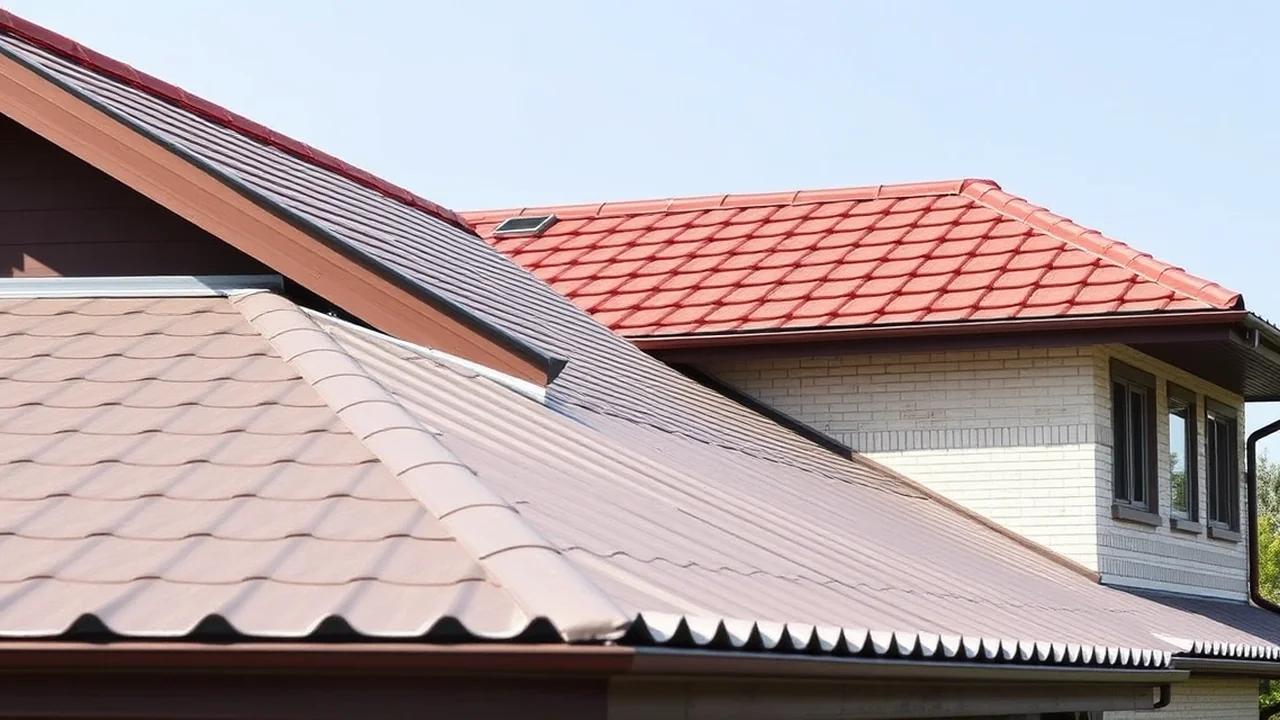
"Roll roofing" is a category, not one product. Here are the rolled materials we install and how we choose between them for your structure and budget.
The classic asphalt roll roofing, heavy felt topped with ceramic granules, the same surface as a shingle. It is the standard choice for sheds, garages, and porches, comes in earth tones and gray, and is the most cost-effective rolled product we install.
Smooth roll roofing and saturated felt serve as a base sheet under a cap or as a quick utility cover. We use it where a top layer or coating will follow, never as the only line of defense on a roof you live under.
A double-coverage roll laps so each course covers half the one below, giving two plies of protection on shallow pitches where single-coverage roll roofing would be marginal. It is the more durable rolled option for a slope nearing the low end.
When you want roll-style installation but membrane-grade durability, SBS modified bitumen in roll form is the upgrade, torch-applied or self-adhered. For full detail, see our modified bitumen roofing page.
For a deck you heat and use, a rolled EPDM rubber sheet outlasts asphalt roll roofing by decades with far fewer seams. We compare it honestly against asphalt on our EPDM rubber roofing page.
Most failed roll roofs we tear off weren't beaten by the material, they were beaten by a shortcut. A roll roof lives or dies at its seams and its adhesion to the deck, so our rolled roofing installation follows the same disciplined sequence whether it is a shed or a 1,500-square-foot low-slope deck.
We give you an honest read before we quote: whether roll roofing is the smart spend for your structure or whether a small membrane will save you money over its life. Call Indianapolis's holistic roofing team at (219) 221-9617.
Roll roofing installs in a day on most outbuildings, and we leave the seams sealed, the flashings tight, and the deck watertight through the first freeze.
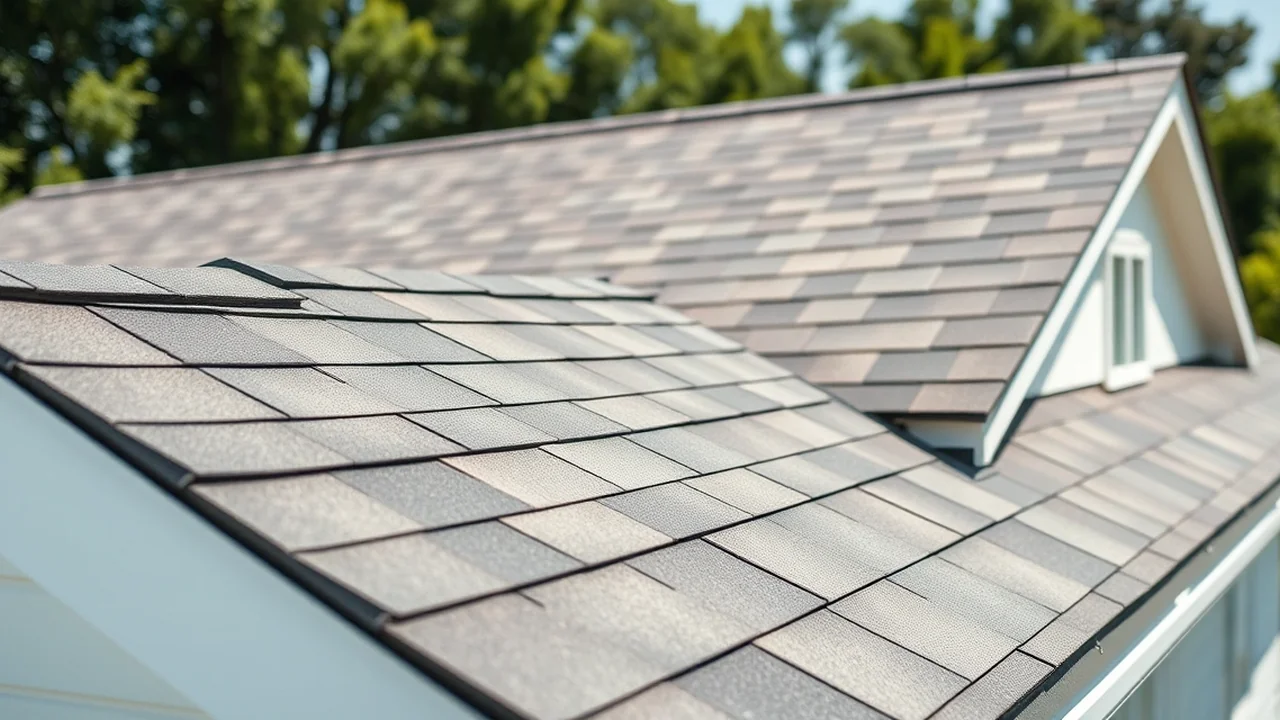
Roll roofing wins on upfront price and loses on lifespan, knowing that trade-off is the whole decision. Here is how we frame cost, durability, and when to choose something else.
Roll roofing is the lowest-cost asphalt option per square because the material is inexpensive and a small deck installs fast. Your price moves with deck size, how much rotted sheathing needs replacing, the number of penetrations and flashings, tear-off of an old roof, and whether you choose single-coverage, double-coverage, or a modified roll. We give a written, itemized estimate after a free inspection, no surprise add-ons.
A properly installed asphalt roll roof lasts roughly 8 to 15 years here, versus 20 to 30 for a single-ply membrane. Granule loss, seam separation from freeze-thaw, and UV-driven brittleness are the limits. Keeping slope positive and seams sealed is what gets you to the top of that range rather than the bottom.
We steer you away from roll roofing on any heated, lived-under space, on a roof flatter than 2:12 where water will pond, or anywhere curb appeal matters. In those cases EPDM, TPO, or modified bitumen is the better long-term value, and we would rather tell you that now than re-roof the same deck in eight years.
Already have a sound roll roof that is just aging? A reflective fluid-applied coating can add years before replacement, see roof coatings & protective systems.
Roll roofing is one engineered answer within our Flat & Low-Slope Roofing lineup, and we treat your shed or porch deck as part of the same watertight ecosystem as your main roof, not a throwaway surface. If that low-slope deck is leaking right now rather than due for replacement, our flat roof repair crews trace the source and seal it. And if the roll roof on your home tells us the structure really needs a longer-lived membrane, we hand off cleanly to single-ply roofing systems so you get one canonical, engineered solution instead of a patchwork of contractors.
Licensed, insured, and OSHA-compliant, with manufacturer-backed materials and a 4.9/5 rating from 500+ neighbors. We engineer systems, not patchwork, and we put it in writing.
“They re-roofed our detached garage with mineral-surfaced roll roofing and were upfront that it was the right budget choice for that building. Clean seams, done in a day, and not a drop of water since the spring storms.”
Travis L., Greenwood
“I asked for roll roofing on my back porch and they actually walked me through why a rubber sheet would last longer for the price difference. No pressure, just honest math. Went with their recommendation and it looks great.”
Renee K., Carmel
“Our shed roof had been patched by the last guy and kept leaking at every lap. Alpha stripped it, fixed the rotted decking first, and laid new roll roofing with the seams properly cemented. Finally watertight through a full Indiana winter.”
Doug M., Noblesville
A properly installed asphalt roll roof typically lasts 8 to 15 years in central Indiana. Freeze-thaw cycles working at the seams, granule loss, and UV brittleness are the main limits. You reach the high end of that range when the slope is positive enough to shed water fast and every seam is lapped and cemented correctly, which is exactly how we install it. For a roof you need to last 20-plus years, a single-ply membrane is the better choice.
Roll roofing is the most affordable asphalt roofing option per square, which is why it is popular for sheds, garages, and porches. It costs less than architectural shingles and well below a TPO or EPDM membrane upfront. The trade-off is a shorter lifespan, so over the full life of the roof a membrane can be the better value on a structure you keep long term. We give a written, itemized estimate after a free inspection so you can compare real numbers.
Usually not for the main living area. Roll roofing is built for detached and utility structures, sheds, garages, porches, and low-slope outbuildings, where cost and speed matter more than longevity or appearance. For any heated, lived-under space we recommend a single-ply membrane or modified bitumen, which last far longer and seal more reliably against Indiana weather. We will tell you honestly which fits your specific project.
Asphalt roll roofing needs a minimum slope of about 2:12 for single-coverage and can go a bit lower with a double-coverage (selvage) roll. Below roughly 2:12, water ponds and works its way under the laps, so on a true flat or very shallow deck we install a fully welded or self-adhered membrane instead. Confirming and, where needed, correcting slope is the first thing we check before quoting roll roofing.
We start by inspecting and repairing the deck, then prime it and apply the roll roofing by the method best suited to the job, nailed with cemented laps, full cold-adhesive, or torch-down for modified bitumen rolls. Every course is lapped 3 to 4 inches and the seams are embedded in roofing cement, then the whole surface is pressed to remove air pockets. Drip edge, flashings, and penetration boots finish the system so water exits the roof cleanly. Most outbuildings install in a single day.
We install mineral-surfaced roll roofing (the standard granular product for sheds and garages), smooth and saturated-felt rolls as base or utility layers, double-coverage selvage rolls for shallower slopes, and modified bitumen rolls when you want roll-style installation with membrane-grade durability. We also compare these honestly against rolled EPDM rubber for decks you heat and use, and recommend the option that gives you the best value for your structure.
Often, yes. If the field of the roll roof is sound and the leaks are isolated to a few seams, laps, or flashings, we can re-cement and patch them, or apply a reflective coating to add years of life. We recommend full replacement when granule loss is widespread, the laps are separating across the roof, or moisture has already reached the decking. Our inspection gives you both the repair and the replacement numbers so you decide with full information.