
Standing seam metal roofing is a concealed-fastener metal roof system built from vertical panels joined by raised, interlocking seams that run from the ridge to the eave. Because the fasteners are hidden beneath those seams rather than driven through the exposed metal, water has no penetration points to exploit, and the panels can expand and contract freely as Indiana temperatures swing. The result is one of the longest-lasting, lowest-maintenance roofs you can put on a Central Indiana home, with a realistic service life of 50 years or more.
That hidden-fastener design is the single feature that separates standing seam from cheaper exposed-fastener metal panels, and it explains nearly every advantage and every cost difference you will encounter. This guide walks through how the system works, the profiles and metals available, what it costs to install in the Indianapolis market, how long it lasts, and the honest trade-offs you should weigh before committing. Our goal is to help you decide whether standing seam is the right system for your roof, not to push a single product.
A standing seam roof is assembled from long, flat metal panels that run continuously from the peak of the roof down to the eave. Where two panels meet, their edges are folded upward and locked together, forming a raised vertical rib, the "seam," that stands above the flat of the panel. These seams are the defining element of the system and the reason it sheds water so reliably.
The critical detail is how the panels attach to the roof deck. Instead of screws punched through the face of the metal, standing seam panels are secured with hidden clips or a concealed nailing flange tucked beneath the seam. Once the next panel locks over that flange, every fastener is sealed away from rain, snowmelt, and UV. There are no exposed rubber washers to dry out and leak in ten years, which is the most common failure point on budget metal roofs.
Hidden fasteners also let the metal move. A 30-foot steel or aluminum panel can grow and shrink noticeably as it heats in summer sun and contracts in a January cold snap. Standing seam clips allow that thermal movement without buckling the panel or shearing a screw, which matters enormously in Central Indiana's freeze-thaw climate where daily temperature swings are routine for months at a time. A proper installation is an engineered system of panels, clips, underlayment, and flashing working together, which is exactly the approach we take with our metal and premium roofing options.
Not all standing seam is the same. The two main attachment methods are snap-lock and mechanical-lock, and the difference affects both cost and performance. Snap-lock panels have edges engineered to press together by hand or with light pressure; the male and female legs simply click into place over the clip. They install faster, cost less, and perform very well on typical residential slopes, which makes them the most popular choice for homes in the Indianapolis area.
Mechanical-lock (or mechanically seamed) panels are folded together with a powered seaming tool that bends the metal 90 or 180 degrees to clamp the joint tight. This creates the most weather-tight seam available and is the standard for low-slope roofs, commercial buildings, and any roof exposed to heavy wind-driven rain or snow. It costs more because of the labor and equipment involved, but it is the gold standard for demanding applications. Our standing seam metal roof service offers both snap-lock and mechanical-lock profiles so the system matches the roof rather than the other way around.
Beyond the lock type, you will also choose a seam height (usually 1 to 2 inches), panel width, and whether the surface is flat or has stiffening striations or ribs to reduce visible "oil canning," the slight waviness that can appear in broad flat metal. If you want metal performance with a more traditional shingle look, metal shingles and stone-coated steel are a separate category worth comparing.
The metal you choose matters as much as the profile. Most standing seam roofs in Central Indiana are formed from steel because it offers the best combination of strength, dent resistance, and value. Steel panels are coated to prevent rust, and the two common coatings are galvanized (zinc) and Galvalume (a zinc-aluminum blend that resists corrosion better and is the more common choice today). Over that base coating sits a painted finish, typically a Kynar 500 (PVDF) coating, which holds its color and gloss for decades.
Aluminum is the second common option. It will never rust, making it the smart pick near road salt or in chronically wet conditions, and it weighs less than steel. The trade-offs are a higher material price and somewhat softer panels that dent more easily under heavy hail. Copper and zinc standing seam exist at the premium end, prized for their appearance and century-plus lifespans, but their cost places them outside most residential budgets.
For Indiana homeowners, the practical decision usually comes down to Galvalume steel with a Kynar finish for the best balance of durability, hail resistance, and price, or aluminum when corrosion is a specific concern. The right gauge (thickness) also matters; 24-gauge steel is the residential standard for standing seam and resists oil canning and denting far better than the thinner 26- or 29-gauge panels used on agricultural buildings.
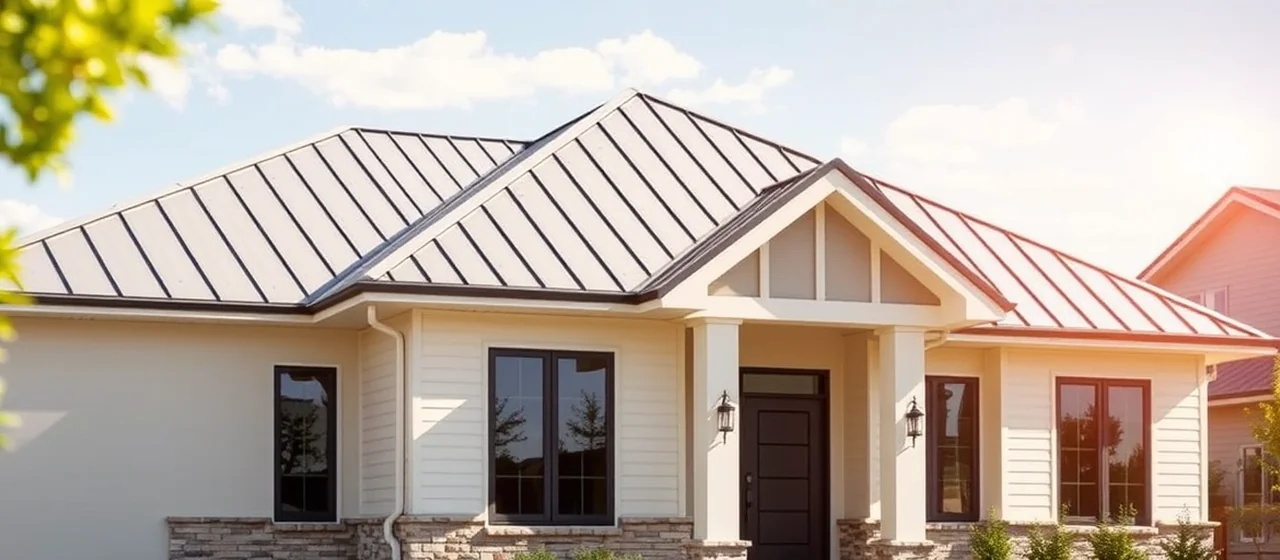
Standing seam is a premium system, and the price reflects it. In the Indianapolis and Central Indiana market, a professionally installed standing seam steel roof typically runs about $11 to $16 per square foot installed, which works out to roughly $20,000 to $40,000 for an average single-family home depending on size, pitch, and complexity. Aluminum, copper, and zinc push the top of that range higher. By comparison, an architectural asphalt shingle roof on the same house often lands in the $6,000 to $12,000 range, so standing seam is frequently two to three times the upfront cost.
Several factors move the number within that range: roof complexity (hips, valleys, dormers, and skylights all add labor and flashing), panel gauge and metal type, seam height and lock style, the condition of the deck underneath, and whether a full tear-off of the old roof is required. Mechanically seamed panels cost more than snap-lock, and intricate roofs with many penetrations cost more than simple gable roofs.
The honest way to frame the cost is over the life of the roof. A standing seam roof that lasts 50 years replaces two or even three asphalt roofs, and it does so with minimal maintenance in between. It can also lower cooling bills and may qualify for insurance discounts. For a deeper side-by-side on the upfront and lifetime math, see our guide on metal roof vs. shingles, and for asphalt-specific numbers our roof repair cost in Indianapolis breakdown is a useful reference point.
A quality standing seam roof is engineered to last 50 years or more, and copper or zinc versions can exceed a century. That longevity comes from the corrosion-resistant coatings, the durable Kynar paint, and the absence of exposed fasteners that fail over time. For most homeowners, it is genuinely a roof you install once and never replace.
Durability is where standing seam earns its reputation in our climate. The panels are non-combustible and carry a Class A fire rating. They handle high winds far better than shingles because the seams lock the panels down and there are no individual tabs to peel up; many standing seam systems are rated for winds of 110 to 140 mph or higher. The slick, continuous surface sheds snow and ice rather than letting it accumulate, which reduces the kind of meltwater backup that creates ice dams on shingle roofs during Indiana winters.
Hail is the one place to set expectations honestly. Standing seam steel resists hail very well and rarely leaks from it, but a severe storm can leave cosmetic dents on the flat of the panel, especially on softer aluminum. The roof keeps working, but the appearance may change. If your area was just hit, our hail damage roof repair and storm and emergency roofing teams can assess whether what you are seeing is cosmetic or structural.
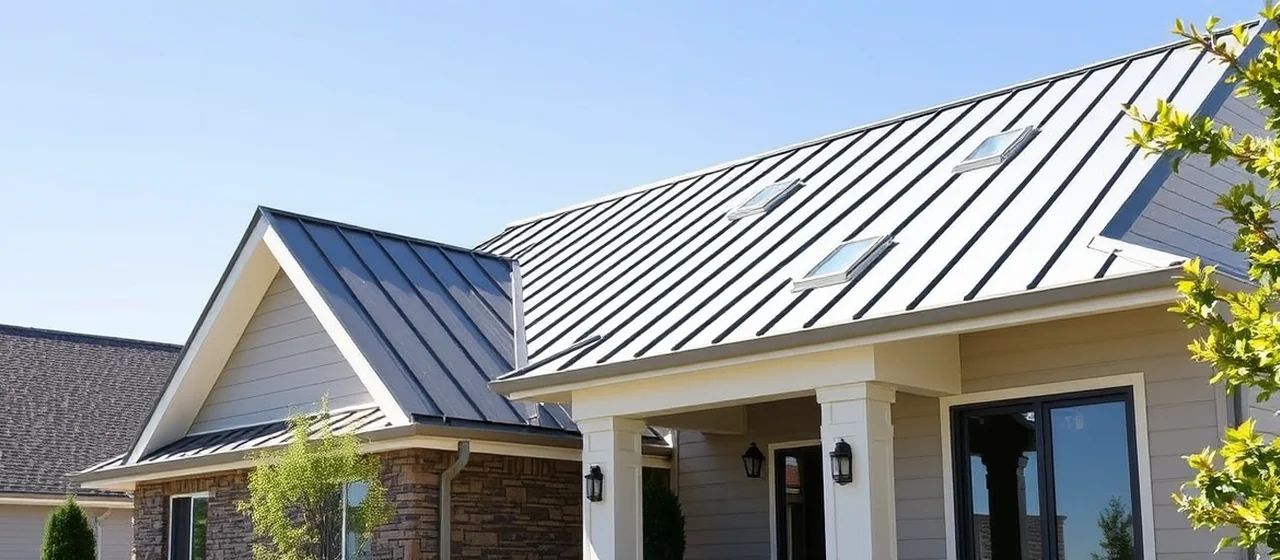
Standing seam is an excellent roof, but it is not the right answer for every home or budget. Being straight about the trade-offs is part of choosing well, so here is the balanced view rather than a sales pitch.
On the plus side, you get exceptional longevity, minimal maintenance, superior wind and fire resistance, energy savings from reflective finishes, excellent water-shedding with no fastener leak points, and strong resale appeal. On the other side, the upfront cost is high, fewer contractors are properly trained to install it correctly, repairs and future modifications can be more involved than swapping a few shingles, large flat panels may show oil canning, and a heavy hailstorm can cause cosmetic denting. Installation quality is everything; a standing seam roof installed by an inexperienced crew can leak or oil-can despite the premium materials.
Because standing seam is a precision system, installation skill determines whether you get 50 trouble-free years or chronic problems. A correct install starts with a sound, flat deck, a high-temperature synthetic or self-adhered underlayment (especially important under metal, which can sweat), accurate panel measurement and cutting, proper clip spacing to allow thermal movement, and meticulous flashing at every valley, sidewall, chimney, and penetration. Most leaks on metal roofs trace back to flashing details, not the panels themselves.
Maintenance is refreshingly light. A standing seam roof needs little more than keeping the gutters clear, rinsing off debris, and an occasional inspection of the flashing and sealants at penetrations. Pairing the new roof with properly sized gutter systems protects the fascia and foundation from all the water a slick metal surface sheds quickly. An annual or post-storm roof inspection catches the small flashing or sealant issues that are the only realistic failure points over decades.
When hiring, ask specifically about standing seam experience, request photos of completed metal projects, confirm whether panels are site-formed or factory-formed, and verify the installer warranties their labor in addition to the manufacturer's finish warranty. If you are weighing this against a tear-off and full replacement in another material, our roof installation and replacement team can walk you through every option for your specific home in Central Indiana.
Our team installs concealed-fastener standing seam in both snap-lock and mechanical-lock profiles, engineered for Central Indiana's freeze-thaw and storm seasons. Get an honest assessment of whether it's the right system for your roof and budget.
Explore Metal Roofing OptionsCall (219) 221-9617Standing seam uses concealed clips and fasteners hidden beneath raised vertical seams, so there are no exposed screws to leak. Regular exposed-fastener metal panels are screwed through the face of the metal, and those rubber-washered screws are the most common point of failure and leaking over time. Standing seam costs more but lasts significantly longer with fewer problems.
A quality standing seam steel or aluminum roof lasts 50 years or more, and copper or zinc versions can exceed a century. The longevity comes from corrosion-resistant coatings, durable Kynar paint finishes, and the absence of exposed fasteners that degrade over time. For most homeowners it is a one-time roof investment.
In the Central Indiana market, a professionally installed standing seam steel roof typically runs about $11 to $16 per square foot, or roughly $20,000 to $40,000 for an average single-family home. Price depends on roof size and complexity, metal type and gauge, seam profile, and whether a tear-off is needed. Aluminum, copper, and zinc cost more than coated steel.
Snap-lock panels press together by hand over the clips, installing faster and costing less, and they perform well on typical residential slopes. Mechanical-lock panels are folded tight with a powered seaming tool, creating the most weather-tight joint available; this is the standard for low-slope roofs and severe-weather applications but costs more due to added labor.
Standing seam steel resists hail very well and rarely leaks from it, but a severe storm can leave cosmetic dents on the flat of the panel, especially on softer aluminum. The roof keeps performing, but the appearance may change. After a major storm, have the roof inspected to determine whether any damage is cosmetic or structural.
Yes. The hidden clips allow the metal panels to expand and contract with daily temperature swings without buckling or shearing fasteners, which is ideal for Central Indiana winters. The slick, continuous surface also sheds snow and ice, reducing the meltwater backup that causes ice dams on shingle roofs.