
Most asphalt shingle roof replacements take one to three days of actual work, and a typical single-family home in Indianapolis is finished in a single day. The on-the-roof labor is only part of the story, though: from the day you sign a contract to the final cleanup, the whole process usually spans two to four weeks once you factor in scheduling, material delivery, and any permit or inspection steps.
How long your specific project runs depends on the size and pitch of your roof, the material you choose, how much hidden damage the crew finds once the old shingles come off, and Indiana's weather. This guide breaks down the real timeline stage by stage so you know what to expect before, during, and after the crew arrives, and how Central Indiana's freeze-thaw and storm seasons can shift the schedule.
For a standard asphalt shingle roof on an average Indianapolis home (roughly 1,500 to 2,500 square feet of roof area), expect the tear-off and installation to take one to two days of hands-on work. Larger homes, steep or complex roofs, and premium materials push that out further. Here is a realistic range by roof type.
These estimates assume good weather and a full crew. They cover labor on the roof only, not the weeks of scheduling and material ordering that come first.
The crew on your roof is the visible part, but a smooth project starts well before that. From your first call to the first nail, you are usually looking at two to four weeks. Understanding these steps helps explain why a 'one-day' roof can still take a month from start to finish.
First comes the inspection and estimate. A thorough roof inspection measures your roof, checks the decking and ventilation, and documents any damage. If you are filing an insurance claim after a storm, this stage can add time while the adjuster's report and approval come through. Next is material selection and ordering. Standard architectural shingles are usually in stock, but specialty colors, metal panels, and premium products may need to be ordered, adding several days to a couple of weeks.
Indianapolis and most Marion County jurisdictions require a permit for a full roof replacement. A reputable contractor pulls this for you, which typically takes a few business days. Finally, the job is scheduled around the crew's calendar and the weather forecast. During peak season after spring and summer storms, the best Indiana roofers book out further, so plan ahead when you can.
On installation day, a well-run crew works through a clear sequence. For an average asphalt roof, all of this happens in a single long day; on bigger jobs it spreads across two or three. Here is the typical order of operations.
Knowing the sequence helps you understand why even a fast job is disruptive while it is happening, and why the crew can't simply pause halfway through once the old roof is off.
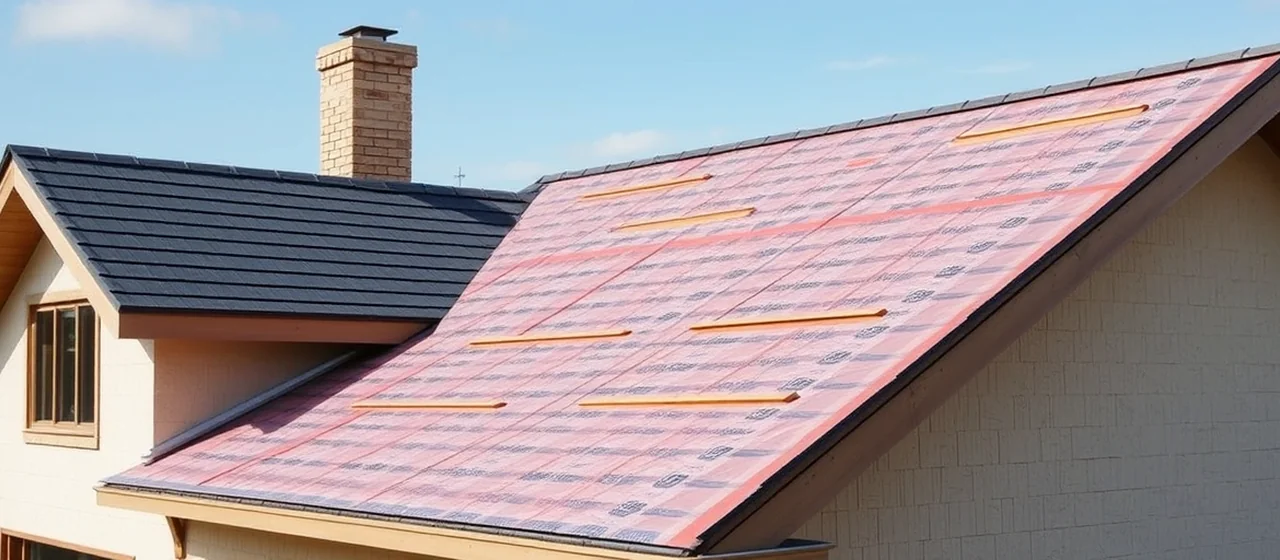
If your timeline stretches beyond the typical range, one of these factors is almost always the reason. None of them mean something is wrong; they simply reflect a more involved job that is worth doing right rather than fast.
The biggest variable is roof size and complexity. A simple gable roof goes quickly. Add multiple stories, steep pitches, dormers, skylights, chimneys, and intricate valleys, and the labor multiplies. Material choice matters too: metal and tile take longer to install correctly than asphalt, and a proper standing seam metal roof involves precise panel work that should never be rushed.
Hidden damage is the most common surprise. Once the old roof is off, the crew may find rotted decking, damaged rafters, or old leak damage that has to be repaired before new materials go on. Tear-off layers also add time; removing two or three old layers of shingles takes longer than one. Finally, crew size and the contractor's workload affect pacing, and accessibility issues like a tight lot or tall structure can slow material handling.
Weather is the single most common reason a roof replacement gets delayed in Central Indiana, and a good contractor will always prioritize doing it safely over doing it on a rigid date. Rain, high winds, and freezing temperatures all force pauses.
Asphalt shingles seal best in moderate temperatures. In deep winter, cold makes shingles brittle and slows the adhesive strips that bond them, so crews may hand-seal or wait for warmer windows. Our freeze-thaw cycles also mean a clear morning can turn icy fast, and crews will not work on a slick, dangerous roof. Spring and summer storm season brings the opposite pressure: hail and wind drive a surge of replacements, so scheduling tightens even when the weather cooperates.
If a storm just damaged your roof and you have an active leak, you don't have to wait out the full timeline unprotected. Emergency roofing and storm tarping can secure your home immediately while the full replacement is scheduled around the forecast. The goal is always a watertight, properly installed system, not a job rushed through bad conditions.
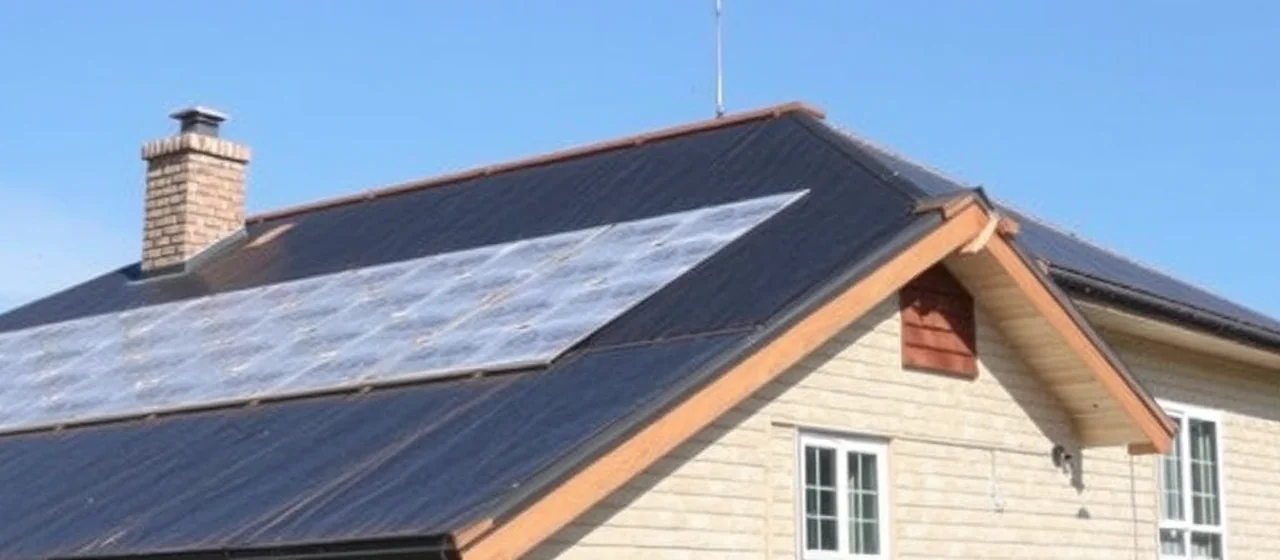
The work is not fully done when the last shingle goes on. A couple of wrap-up steps protect your investment and confirm everything is up to code. These usually add a few days, mostly on someone else's schedule rather than yours.
Most jurisdictions require a final building inspection after a permitted roof replacement. The inspector verifies the work meets code, and your contractor coordinates the visit. You should also receive your warranty documents, covering both the manufacturer's material warranty and the contractor's workmanship warranty. Keep these with your home records, especially if you plan to sell.
Finally, do a final walkthrough with your roofer. Confirm cleanup is complete, gutters are clear of debris, and you understand how the new system handles drainage and ventilation. If your old gutters took a beating or you added new flashing, this is the moment to confirm everything ties together. A complete system, installed and inspected, is what turns a one-day job into decades of protection.
Get a clear, honest timeline built around your home, your material, and the Indiana forecast. Alpha Holistic Roofing engineers complete roof systems, not quick patchwork. Call (219) 221-9617 for a free inspection and estimate.
Explore Roof Replacement ServicesCall (219) 221-9617For an average single-family home in Indianapolis with asphalt shingles, a full crew typically completes the tear-off and installation in one to two days. Larger or more complex roofs may take two to three days.
Yes. Many standard asphalt shingle roofs on average-sized homes are torn off and replaced in a single day, provided the weather cooperates and the crew finds no significant hidden damage like rotted decking.
From signing the contract to the final inspection, most projects span two to four weeks. The on-roof labor is only one to three days; the rest is scheduling, material ordering, permits, and inspection, all timed around the weather.
It can. In Indiana's winter, cold makes asphalt shingles brittle and slows their adhesive seal, and freeze-thaw icing can make roofs unsafe to work on. Crews may hand-seal shingles or wait for warmer, dry windows, which can push the schedule.
Metal roofing typically takes three to seven days, longer than asphalt, because standing seam panels and metal shingles require precise measuring, custom fabrication, and careful fastening that should not be rushed.
The most common delays are weather (rain, wind, freezing temperatures), discovering hidden decking rot during tear-off, removing multiple old shingle layers, complex roof designs, and high contractor demand during storm season.