
By Sam Harper · 7 min read
To file a roof insurance claim after an Indiana storm, document the damage with dated photos, report the loss to your insurer promptly (most policies expect notice within days to a year), get an independent roof inspection from a licensed local contractor, and meet the insurance adjuster on-site with your own documentation in hand. The clearer your evidence of storm-related damage, the smoother and faster your claim moves.
That sounds simple, but the details are where Indiana homeowners get tripped up. Central Indiana sits in a corridor that sees hail, straight-line winds, and the kind of freeze-thaw cycling that quietly weakens a roof long before a single storm finishes it off. Knowing what your policy actually covers, how adjusters think, and what counts as legitimate storm damage will save you weeks of frustration and, often, thousands of dollars.
This guide walks through the entire process step by step, from the moment the storm passes to the day your roof is rebuilt. It is written to be genuinely useful whether or not you ever call us, though if you want a second set of eyes on the damage, an honest inspection is exactly the kind of thing we do.
Before you ever call your insurer, you need to know whether the storm caused real, claimable damage, or whether what you're seeing is normal wear and tear. This distinction matters enormously, because insurance covers sudden, accidental loss from a covered peril (wind, hail, falling debris) but not gradual deterioration. A roof that was already worn out before the storm is a much harder claim.
In Central Indiana, the most common forms of legitimate storm damage are hail bruising (soft, round spots where the granules have been knocked off asphalt shingles), wind-creased or missing shingles, lifted flashing, and impact damage from falling limbs. Hail damage in particular is easy to miss from the ground because it doesn't always cause obvious leaks right away, it shortens the shingle's life so the roof fails months later.
Because the difference between storm damage and age can be subtle, this is the single best reason to get a professional roof inspection before filing. A licensed contractor can tell you whether you have a real claim, which saves you from filing a losing claim that still counts against your record.
The day the storm passes, your job is to create a record and to stop the damage from getting worse. Insurance policies require you to take reasonable steps to prevent additional loss, this is called your duty to mitigate. If a hole in the roof lets rain ruin your ceilings for a week because you did nothing, the insurer can refuse to pay for the part of the damage you could have prevented.
Take wide shots showing the whole roof and the surrounding property, then close-ups of specific damage. Photograph any interior water stains, soaked insulation, or fallen debris. Note the date and time of the storm, hail size if you can, and any local news or National Weather Service reports confirming severe weather in your area, this third-party confirmation is powerful evidence later.
If water is actively coming in, get an emergency tarp or temporary cover over the opening right away. Keep every receipt for tarps, plywood, or emergency roof repair, because reasonable temporary repairs are reimbursable. If you can't safely get on the roof, our storm and emergency roofing crews handle temporary protection without disturbing the evidence the adjuster needs to see.
Spend twenty minutes reading your homeowners policy before you pick up the phone. The two things you most need to understand are your deductible and whether your roof is covered at replacement cost value (RCV) or actual cash value (ACV). This single distinction can mean a difference of thousands of dollars.
With replacement cost coverage, the insurer pays what it costs to replace your roof today, typically in two checks: an initial payment minus depreciation and your deductible, then the held-back depreciation once the work is completed and invoiced. With actual cash value, you only get the depreciated value of an aging roof, which on a 15-year-old roof can be a fraction of the replacement cost. Many Indiana insurers have also shifted older roofs onto ACV or special wind/hail deductibles, so check the declarations page carefully.
Also confirm your wind/hail deductible, which is sometimes a percentage of your home's insured value rather than a flat dollar amount. Knowing your real out-of-pocket number before you file lets you decide whether a claim even makes financial sense for smaller losses.
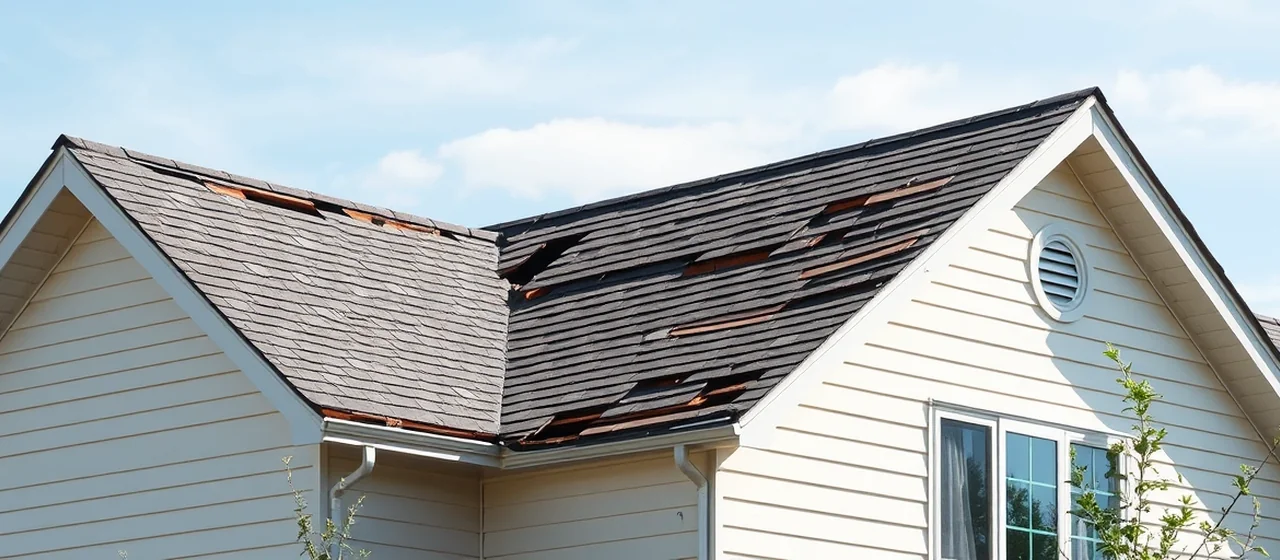
Once you've confirmed real damage and reviewed your policy, report the claim to your insurer by phone or app. Indiana does not impose a single universal deadline, but your policy will specify a notice requirement, often described as prompt notice, and many policies set an outer limit (commonly one to two years from the date of loss) to file. Don't wait. Reporting promptly while the storm is documented and recent makes your claim far stronger.
When you file, give the date of the storm, a brief factual description of the damage, and the temporary steps you've taken. Write down your claim number, the name of every person you speak with, and what they tell you. Keep this log throughout, because claims sometimes get reassigned and a clear paper trail protects you if anyone's story changes.
Stick to facts and avoid speculating about cause or cost on that first call. You're reporting a loss, not negotiating. The adjuster's inspection and your contractor's findings will establish the scope, your job at this stage is simply to open the claim cleanly and on time.
The insurance company will send an adjuster to inspect your roof. This person works for the insurer, not for you, and their assessment drives what gets paid. You are entirely within your rights to have your own roofing contractor present during this inspection, and doing so is one of the smartest moves you can make.
When your contractor and the adjuster walk the roof together, damage gets identified consistently and nothing legitimate gets overlooked. A good local contractor knows what Central Indiana storms do to roofs and can point out hail bruising or wind creasing the adjuster might otherwise miss, especially on the storm-facing slopes. They can also speak to building-code requirements that affect the rebuild, like updated ice-and-water shield in our freeze-thaw climate.
After the inspection, the adjuster issues a scope of loss and an estimate. Read it line by line. If it leaves out clearly damaged areas, undercounts squares, or omits code-required components, you can dispute it, this is normal and expected, not a sign you've done anything wrong. We routinely help homeowners with hail damage roof repair claims reconcile a contractor's estimate against the adjuster's scope.
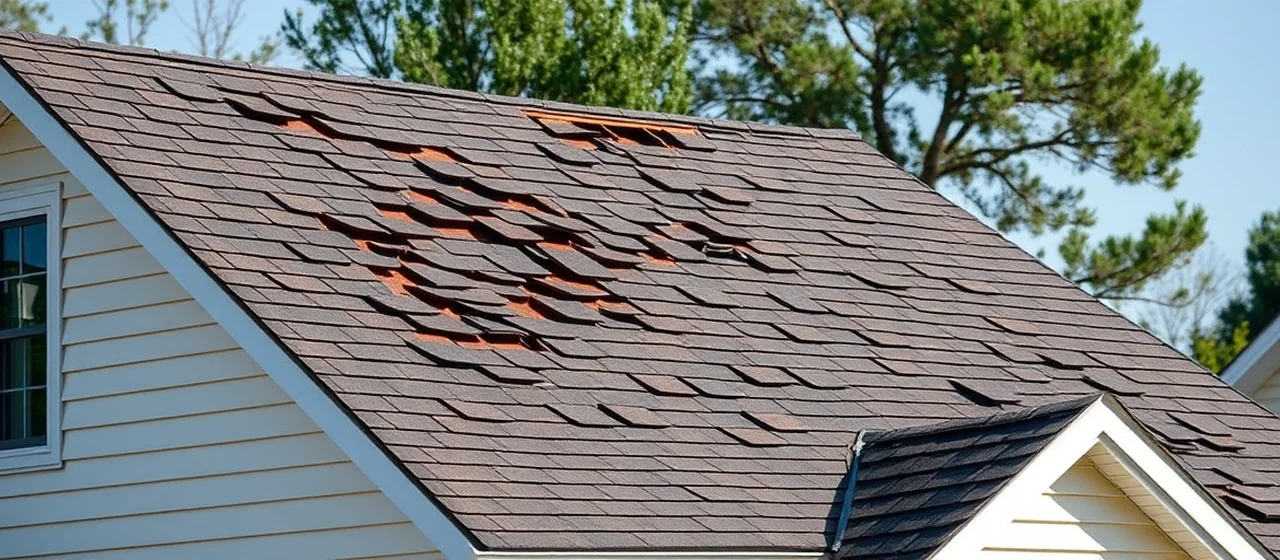
If the adjuster approves the claim, you'll receive the first payment (RCV less depreciation and deductible, or the ACV amount). You then hire a contractor, the work is completed, and a final invoice is submitted so the insurer releases any held-back depreciation under replacement cost coverage. Be wary of anyone who offers to waive your deductible, this is illegal in Indiana and a sign of an untrustworthy operator.
If the claim is denied or underpaid, you have options. Ask for the denial in writing with the specific reason. Common reasons include the damage being classified as wear and tear, pre-existing, or below your deductible. Your contractor can provide a detailed counter-report, and you can request reinspection. For genuine disputes, Indiana policies typically include an appraisal clause, and you can file a complaint with the Indiana Department of Insurance.
Once funds are approved, focus on a quality rebuild rather than the cheapest bid. A storm-damaged roof is your chance to engineer the whole system correctly, proper ventilation, ice-and-water protection, and quality underlayment, not just slap shingles over the problem. Our roof installation and replacement approach treats the roof as a system so the next Indiana storm doesn't put you right back where you started.
Before you file, let our Central Indiana crew tell you straight whether you have a real claim, then meet your adjuster on the roof with you. We document the damage thoroughly, protect your home with emergency cover, and rebuild the roof as a system, not a patch. Call (219) 221-9617 for fast storm response.
Get Storm & Emergency Roofing HelpCall (219) 221-9617Your policy controls the deadline. Most homeowners policies require prompt notice of the loss and set an outer limit to file a claim, commonly one to two years from the date of the storm. Check your policy's specific language, and report the damage as soon as possible, waiting weakens your evidence and can give the insurer grounds to deny.
A single claim from a documented weather event (a covered peril like hail or wind) is less likely to raise your rate than multiple claims or non-weather claims, but it can still affect future pricing or renewal in some cases. This is exactly why you should confirm you have real, claimable damage with an inspection first, rather than filing a borderline claim that gets denied but still appears on your record.
Replacement cost value (RCV) pays what it costs to replace your roof today, with held-back depreciation released once the work is completed. Actual cash value (ACV) pays only the depreciated value of an aging roof, which can be far less. Check your declarations page, many insurers move older roofs onto ACV or special wind/hail deductibles.
The adjuster works for the insurance company, not for you. It is smart and completely allowed to have your own licensed contractor present at the inspection. A local roofer who knows Central Indiana storms can point out hail bruising and wind creasing that's easy to miss and can speak to code-required components, helping ensure the approved scope reflects the real damage.
No. In Indiana it is illegal for a contractor to waive, absorb, or rebate your insurance deductible, and any roofer who offers to do so is a major red flag. The deductible is your legitimate share of the cost. Trustworthy contractors document the real scope of work and let the claim cover the rest, your deductible included as a normal, honest expense.
Request the denial in writing with the specific reason, then address it. If the insurer classified storm damage as wear and tear, your contractor can provide a counter-report and you can request reinspection. For honest valuation disputes, most policies include an appraisal clause, and you can file a complaint with the Indiana Department of Insurance if needed.