
Most roof repairs in Indianapolis cost between $400 and $1,800, with the average homeowner paying around $950 for a typical fix. Minor jobs like resealing a vent boot or replacing a few blown-off shingles can run $150-$450, while larger repairs involving flashing, decking, or storm damage often climb to $1,500-$3,500 or more. Where your project lands depends on the type of damage, the roofing material, how steep and accessible the roof is, and whether the underlying decking is still sound.
Those ranges are a starting point, not a quote. Indianapolis and Central Indiana carry their own cost pressures: freeze-thaw cycles that crack and lift materials over winter, an active spring-and-summer hail and wind season, and labor and material pricing that sit close to the national average but shift with storm demand. This guide breaks down what you can realistically expect to pay, what actually drives the number on your estimate, and how to tell whether a repair or a full replacement is the smarter spend.
Roof repair pricing makes a lot more sense when you break it down by the specific job rather than looking at one big average. A single popped shingle and a leaking chimney are both "roof repairs," but they live in completely different price brackets. Here is what the common repairs tend to cost in the Indianapolis market for a standard asphalt shingle roof.
Keep in mind that most reputable Indianapolis contractors carry a minimum service or trip charge, often in the $150-$350 range, because mobilizing a crew, ladders, and safety gear costs money before a single shingle is touched. That is why a five-minute fix rarely costs five minutes' worth of labor.
Two homeowners on the same street can get very different estimates for what looks like "the same leak." The reason is that several independent factors stack on top of each other, and any one of them can move the price by hundreds of dollars. Understanding these variables helps you read an estimate critically instead of just reacting to the bottom line.
The single biggest swing factor is usually whether the damage stopped at the surface or reached the structure underneath. A surface repair touches shingles and flashing. A structural repair means removing decking, drying out the cavity, and sometimes addressing insulation or rafters, which is a different scope entirely. A thorough roof inspection is what separates those two scenarios before anyone quotes a number.
Central Indiana puts roofs through a brutal annual cycle, and that climate is baked into local repair costs. Winters bring repeated freeze-thaw cycles: water seeps into tiny cracks and shingle seams, freezes, expands, and pries materials apart a little more with every cycle. Ice dams form along eaves when attic heat melts snow that refreezes at the cold roof edge, forcing meltwater backward under the shingles. These are some of the most common drivers of winter and early-spring roof leak repair calls in the Indianapolis area.
Then comes storm season. Indiana sits in a corridor that sees regular spring and summer hail, straight-line winds, and the occasional severe storm. Hail bruises shingles and knocks the protective granules loose, shortening their life even when the damage is not obvious from the ground; wind lifts and creases shingles or tears them off entirely. After a major storm event, demand spikes and so can pricing and lead times. If you suspect impact damage, prompt hail damage roof repair or a documented storm inspection protects both your roof and any potential insurance claim. Our storm and emergency roofing team handles this work across Central Indiana.
The practical takeaway: timing matters. Scheduling non-urgent repairs in the calmer windows of late spring or early fall, rather than in the middle of a storm-claim surge, often means better pricing and faster scheduling.
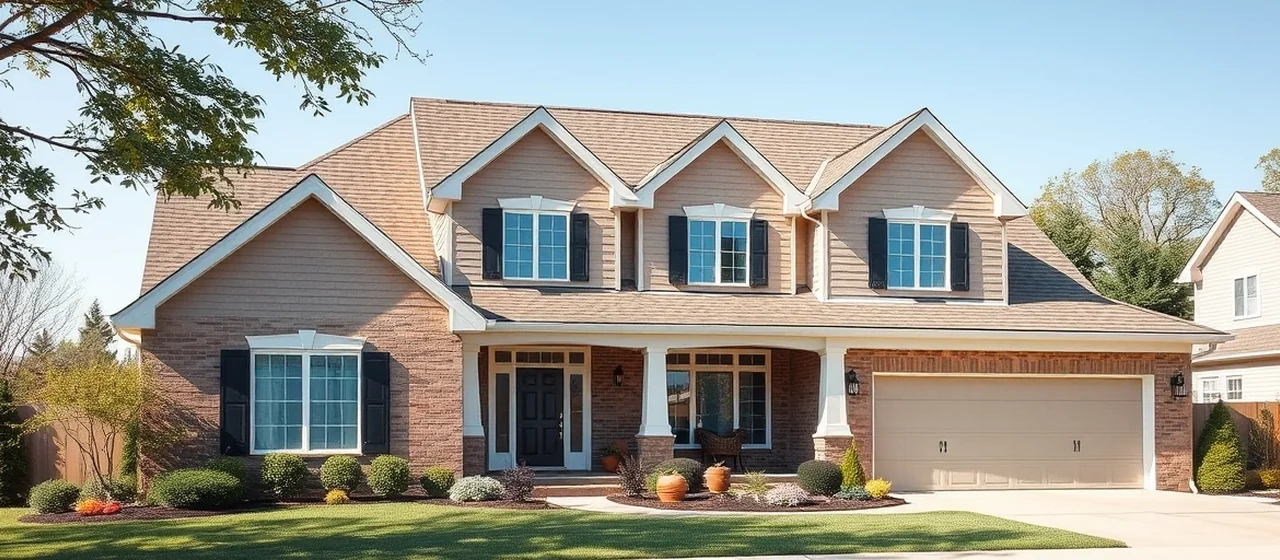
The cheapest repair is not always the best decision. There is a point where pouring money into patches on an aging roof is simply delaying an inevitable replacement, and the smart move is to spend once and be done. The honest answer depends on three things: the age of the roof, how widespread the damage is, and how often you have already paid for repairs.
As a general rule, if your asphalt shingle roof is under about 15 years old and the damage is isolated to one area, repair is usually the right call. Once a roof passes roughly 18-20 years, or when problems are showing up in multiple, separated areas of the field, the math tilts toward replacement. Repairing one slope on a roof whose other slopes are about to fail just means you will be calling again next season. Our roof installation and replacement team will tell you plainly when a repair is the better value, because engineering a system that lasts beats patching one that is finished.
A clean-looking estimate can grow once the crew is on the roof, and the most common reason is decking damage that nobody can see until the old material comes off. When water has been getting in for a while, the plywood or OSB underneath softens, and it has to be replaced for the new shingles to seal and hold. Good contractors flag this possibility in the estimate and quote a per-sheet rate up front so there is no surprise.
Beyond decking, a few other line items legitimately add to a repair total. None of these are upsells when they are actually needed; they are the difference between a repair that lasts and one that fails again in a year.
The best protection against overpaying is a written, itemized estimate from a contractor who actually went up on the roof and into the attic, not one who quoted from the driveway. A real estimate should name the specific problem, describe the fix, and break out labor, materials, and any conditional costs like decking replacement. If an estimate is a single round number with no detail, that is a red flag.
Get more than one quote when the job is large, and compare scope, not just price. A $400 "repair" that only addresses the symptom is more expensive than a $700 repair that fixes the actual cause, because you will pay for the cheap one twice. Ask whether the work is warrantied, confirm the contractor is licensed and insured, and make sure they document conditions with photos. Routine roof repair, inspection, and maintenance on a schedule is also the cheapest insurance there is, because small issues caught early almost never become four-figure repairs.
Not sure if you are looking at a $300 fix or something bigger? Our team inspects the roof and the attic, shows you the photos, and gives you an honest, itemized estimate, no pressure to replace what can be repaired. Serving Indianapolis and Central Indiana.
Schedule a Roof Repair EstimateCall (219) 221-9617Fixing a localized roof leak in Indianapolis typically costs $400-$1,500, depending on the source. A simple vent-boot or flashing leak sits at the low end, while a leak that has rotted the decking underneath, or one near a chimney or valley, runs higher because more material and labor are involved. Tracing the true source first is what keeps the cost from ballooning.
Most Indianapolis roofers charge a minimum service or trip fee, usually $150-$350, because every visit requires mobilizing a crew, ladders, and fall-protection gear before any work begins. Even a quick shingle replacement carries that fixed cost. The upside is that bundling several small fixes into one visit spreads that minimum across more work.
In the short term, yes, a repair almost always costs far less than a full replacement. But on a roof near the end of its lifespan, repeated repairs add up and only delay the inevitable. If your roof is past about 18-20 years or leaking in multiple spots, replacement is usually the better long-term value than spending repeatedly on patches.
Homeowners insurance often covers roof repairs caused by sudden, covered events like hail or wind storms, which are common in Central Indiana. It typically does not cover damage from age, wear, or deferred maintenance. Documenting storm damage promptly with photos and a professional inspection gives you the strongest position if you file a claim.
Repair is usually right when the roof is relatively young and the damage is isolated to one area with sound decking. Replacement makes more sense when the roof is near its rated lifespan, granules are washing out across the whole field, or leaks are appearing in several separate spots. A documented inspection is the only reliable way to know which one you are buying.
Most standard asphalt shingle repairs are completed in a few hours to a single day. Larger jobs involving decking replacement, multiple leak points, or storm damage across several areas can take longer, especially if materials need to be matched or weather interrupts the work. Your contractor should give you a realistic time frame in the written estimate.