
A skylight is a hole cut in your roof. Whether it stays a daylight feature or becomes a slow leak comes down entirely to how the flashing is engineered. We install deck-mounted, curb-mounted, and tubular skylights for Indianapolis homes and businesses, sealing the penetration as a system built for Indiana freeze-thaw and storm season.
Fast. Accurate. Transparent.
By submitting, you agree to our Privacy Policy.
Every skylight is a deliberate opening in an otherwise sealed roof. That makes the unit itself the easy part. The flashing kit, the underlayment integration, and the way the surrounding shingles or membrane are woven back over the curb are what decide whether you get daylight or water damage. Most failed skylights in central Indiana never had a product problem. They had a shortcut flashing job that an Indianapolis freeze-thaw winter eventually found. Alpha Holistic Roofing treats skylight installation as a roof-penetration detail first and a daylighting upgrade second, for both homes and businesses across Marion County.
This page goes deeper than the overview on our exterior enhancements pillar, where skylights sit alongside soffit, fascia, and chimney work. Here we cover the specific skylight types, the step-by-step install, and the real Indianapolis cost factors. Because cutting and re-sealing a roof opening ties directly into the field of the roof, we coordinate closely with our roof repair, inspection, and maintenance team whenever an existing unit is already leaking.
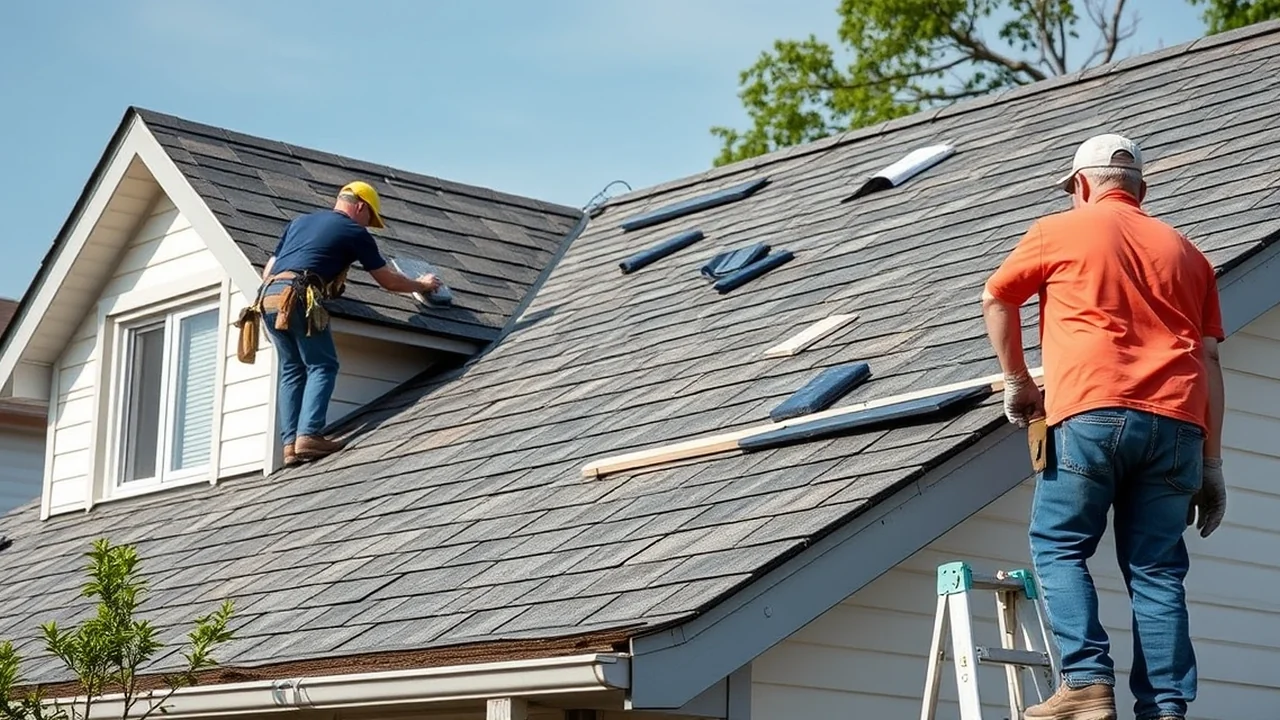
The right skylight depends on your roof pitch, the room below, and how much glass you want over a snow-loaded Indiana winter. These are the four configurations we install and seal most often.
The low-profile choice for sloped asphalt and metal roofs. The unit mounts flat to the deck and the flashing kit weaves directly into the shingles and underlayment, giving the cleanest sightline and the tightest water seal. Our go-to for most Indianapolis homes on pitched roofs.
The unit sits on a raised wood or factory curb above the roof plane, which lifts the glass clear of pooling water and snowmelt. The preferred detail for low-slope and flat sections, and the standard for our commercial and flat roofing installs where membrane wraps the curb.
A small dome on the roof pipes daylight through a reflective tube into hallways, closets, and baths with no attic remodel. Minimal penetration, fast install, and a low-cost way to bring natural light into Indianapolis homes where a full skylight won't fit the framing.
Fixed units are sealed glass for pure daylight. Vented units open to release heat and humidity, and solar-powered models with rain sensors close themselves automatically, a smart pairing with our attic ventilation and energy-efficiency systems to cut summer attic heat.
A skylight installer who drops a unit in and caulks the edges has sold you a leak with a delay timer on it. Sealant fails; flashing engineered into the roof does not. Our roof flashing installation integrates the head, sill, and step flashing into the underlayment and surrounding roofing so water is shed away from the opening, not held back by a bead of caulk. Here is exactly what a correct Indianapolis install includes.
Indiana's freeze-thaw cycle is the silent killer of cheap skylight installs. Snowmelt refreezes into ice dams above the unit, water backs up under the shingles, and any flashing that relied on sealant instead of overlap lets it straight through. By spring, the ceiling stain shows up far from the actual entry point.
We flash for the worst week of an Indianapolis winter, not the easy days. That is the difference between a skylight that brightens a room for 25 years and one that drips by the second thaw.
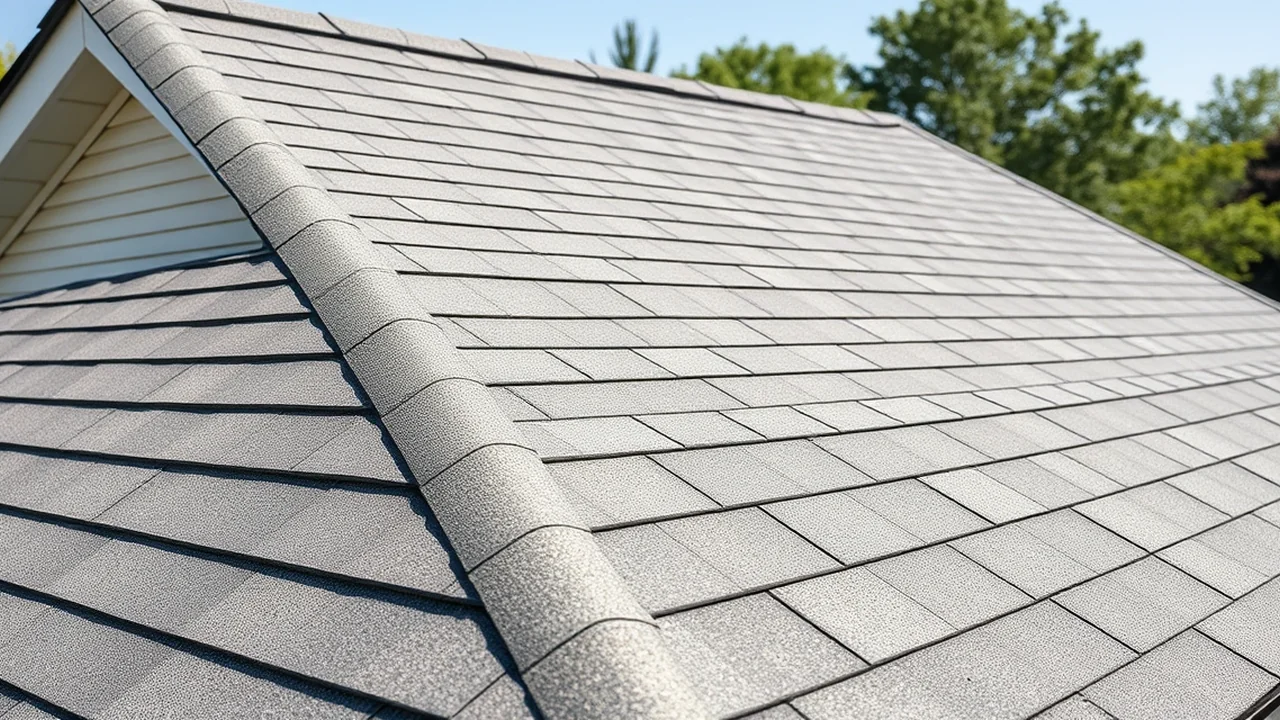
No two skylight jobs price the same. The unit is often the smallest line on the invoice. These are the factors that actually move the number on an Indianapolis install.
A tubular sun tunnel is the most affordable daylighting option, while a large vented or solar-powered unit with laminated low-E glass sits at the top of the range. For central Indiana, we steer most homeowners toward insulated low-E glass over acrylic domes: it resists hail, blocks summer UV heat, and won't yellow or craze in the freeze-thaw swing. Fixed units cost less than vented; solar vented units cost more upfront but earn it back in attic cooling and the federal solar credit.
Cutting into asphalt shingles on a walkable pitch is straightforward. A steep slate or tile roof, a low-slope membrane that must be heat-welded back, or a second-story install needing fall protection all add labor. New construction or a full re-roof is the cheapest time to add a skylight, because the opening and flashing happen while the roof is already open. Retrofitting into a finished roof costs more for the cut-in and weatherproofing.
The skylight on the roof is only half the job. Below it, the shaft through the attic has to be framed, insulated, and drywalled. A short, straight shaft on a cathedral ceiling is quick. A long, splayed shaft dropping through a deep attic to a flat ceiling is real carpentry and finishing, and it is usually the line that surprises homeowners. We quote the full assembly, roof to room, so there are no mid-project add-ons.
Already have a skylight that leaks, fogs between the panes, or has cracked flashing? Often a re-flash or reseal beats a full replacement. Start with our roof repair, inspection, and maintenance team and we'll tell you honestly which call is smarter.
A skylight is one penetration in a roofline full of them, which is why we treat it as part of your whole exterior enhancements envelope alongside soffit, fascia, and chimney flashing. The same flashing-first discipline that keeps your skylight dry is the discipline behind our roof installation and replacement work, so a skylight added during a re-roof is sealed into the system instead of cut in afterward. If an Indiana storm has already torn at the unit or driven water past failed flashing, our storm and emergency roofing crew secures it first, then we engineer the lasting seal. One envelope, one company, for every Indianapolis home and business.
Licensed, insured, and OSHA-compliant, with manufacturer-backed materials and a 4.9/5 rating from 500+ neighbors. We engineer systems, not patchwork, and we put it in writing.
“We wanted two skylights over a dark kitchen but every roofer we'd talked to scared us off with leak stories. Alpha walked us through their flashing process before we signed anything. Two Indiana winters and a brutal spring of storms later, bone dry. You can see they sealed it as a system, not just dropped in glass.”
Rachel M., Carmel
“Our old skylight had been leaking for years and three handymen just kept caulking it. Alpha pulled it, found the original flashing was never woven into the shingles, and rebuilt the whole opening with an ice-and-water shield. The stain on our ceiling finally stopped spreading. Honest crew.”
Derek S., Fishers
“They put a solar-powered vented skylight in our upstairs hallway and tied it into the attic ventilation work they did. The upstairs is noticeably cooler in July now, and the rain sensor closes it before I even notice the storm. Clean install, fair price, no surprises on the invoice.”
Anita P., Greenwood
A tubular sun tunnel is the most affordable option, while a large vented or solar-powered skylight with a long finished light shaft sits at the top of the range. The unit price is usually the smallest part. What moves the number most is the roof type and pitch, whether we're cutting into a finished roof or adding it during a re-roof, and how much framing and drywall the interior light shaft needs. We quote the full job, roof to room, so there are no mid-project surprises. The cheapest time to add one is during a roof replacement.
A properly installed skylight should never leak. Leaks almost always trace back to flashing that relied on a bead of sealant instead of being woven into the roof. Our install leads with a self-adhered ice-and-water shield wrapped around the full opening, then a manufacturer flashing kit integrated head-to-sill into the surrounding shingles or membrane. That flashing-first detail, plus a cricket above wider units to divert snowmelt, is what holds through an Indianapolis freeze-thaw winter.
We install deck-mounted skylights for sloped shingle and metal roofs, curb-mounted units for low-slope and flat sections including commercial buildings, and tubular sun tunnels for hallways and baths where a full skylight won't fit the framing. We offer fixed units for pure daylight and vented units in both manual and solar-powered models with automatic rain sensors. We'll recommend the right type for your roof pitch and the room below during a free assessment.
A quality skylight installed with proper flashing typically lasts 20 to 30 years, and the glass seal on a good unit is warrantied for 10 to 20. In central Indiana the limiting factor is rarely the glass; it's the flashing and the surrounding roof. We use insulated low-E glass rather than acrylic domes because it resists hail and won't craze or yellow in the freeze-thaw swing, and we make sure the skylight's lifespan matches the roof it sits in.
Both. Adding a skylight during a roof installation or replacement is cheaper and cleaner because the opening and flashing happen while the roof is already open. But we retrofit into finished asphalt, metal, and low-slope roofs all the time. The retrofit costs a bit more for the cut-in and weatherproofing, but the flashing standard is identical, so a retrofitted skylight is sealed just as tightly as one done during a full re-roof.
Both. If your skylight is leaking, has cracked or shortcut flashing, or is fogging between the panes from a failed seal, a re-flash or reseal often beats a full replacement. We assess honestly and tell you which call is smarter for your situation. For an active leak or storm-damaged unit, start with our roof repair and inspection team to trace the water path before we reseal or replace.
Yes. We serve both homes and businesses. On commercial and flat or low-slope roofs we use curb-mounted skylights, raising the glass clear of pooling water and heat-welding or wrapping the membrane back over the curb for a watertight seal. The same daylighting and penetration-sealing work is available through our commercial roofing team for offices, retail, and warehouse spaces across the Indianapolis metro.