
Fiber cement siding is the most durable cladding most Indianapolis homes will ever wear. We install Hardie board and Allura as one engineered wall system, detailed to shrug off fire, hail, rot, and Indiana freeze-thaw for decades.
Fast. Accurate. Transparent.
By submitting, you agree to our Privacy Policy.
Fiber cement siding is a blend of Portland cement, sand, and cellulose fiber pressed into rigid boards that look like real wood but behave like masonry. That composition is why it resists the three things that destroy ordinary cladding in central Indiana: fire, impact from spring hail, and the freeze-thaw moisture cycle that pries cheaper panels loose every winter. Brands like James Hardie HardiePlank and Allura back it with warranties reaching 30 years on the board and 15 on factory color. We install it the way the manufacturers actually specify, which most crews skip.
This is a focused look at one material. For the full range of cladding we install, and to compare fiber cement against other options head to head, see our Siding & Exterior Wall Protection pillar. On this page we go deep on fiber cement specifically: the board styles, the brands and grades, the installation process, and the real cost factors for an Indianapolis home. If you are weighing the budget route instead, our vinyl siding installation page lays out that trade-off plainly.
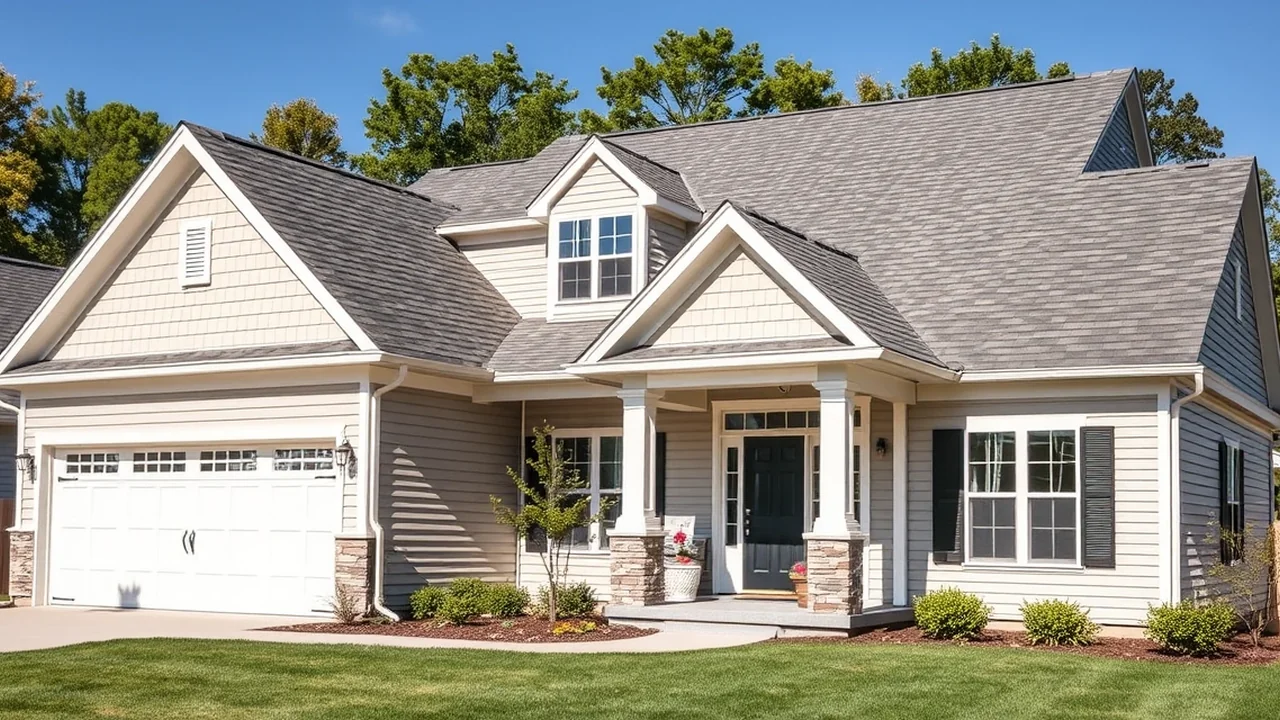
Fiber cement comes in several board profiles and from a few manufacturers, each suited to a different look and budget. Here is what we install across Indianapolis and where each one fits.
The classic horizontal clapboard look and the most common fiber cement profile. Cement board lap siding runs in 6 to 12 inch exposures with smooth or cedar-grain texture. It is the workhorse choice for traditional Indianapolis homes and the easiest profile to source and color-match.
Vertical fiber cement panels with applied battens deliver the modern-farmhouse look that tops resale demand right now. We install it in both James Hardie and Allura. See our dedicated board and batten siding page for the full profile.
Fiber cement shingle and shake panels mimic cedar shake for craftsman, cottage, and Cape Cod homes without the cedar maintenance. Ideal for gable accents and dormers, with the same fire and rot resistance as the lap boards.
Fiber cement trim wraps windows, doors, corners, and rooflines so the whole envelope shares one durable material. It ties directly into our soffit and fascia work for a fully finished, rot-proof facade.
Factory-baked ColorPlus and Diamond Kote finishes resist fading for 15-plus years and need no painting. Primed boards let you choose any field color now and repaint later. We help you weigh the maintenance trade-off against the upfront cost.
Fiber cement is only as good as the install. The boards are heavy, brittle on the edge, and unforgiving of skipped flashing, so manufacturer warranties hinge on details most crews rush. We follow the James Hardie and Allura installation specs to the letter, because a 30-year board behind bad flashing still rots the wall in five. Every step below protects the sheathing, not just the surface.
Indianapolis cycles through humid storm summers and hard winter freeze-thaw. Water that wicks into porous cladding freezes, expands, and cracks it apart. Fiber cement is dimensionally stable and non-combustible, so it does not warp, melt near a grill or fire pit, or feed a house fire the way vinyl can. It also holds a Class A fire rating and shrugs off the wind-driven hail that hammers Marion County every spring.
Certified and insured, installed to manufacturer spec so your James Hardie or Allura warranty actually stands. 4.9/5 from 500+ reviews across the Indianapolis metro.
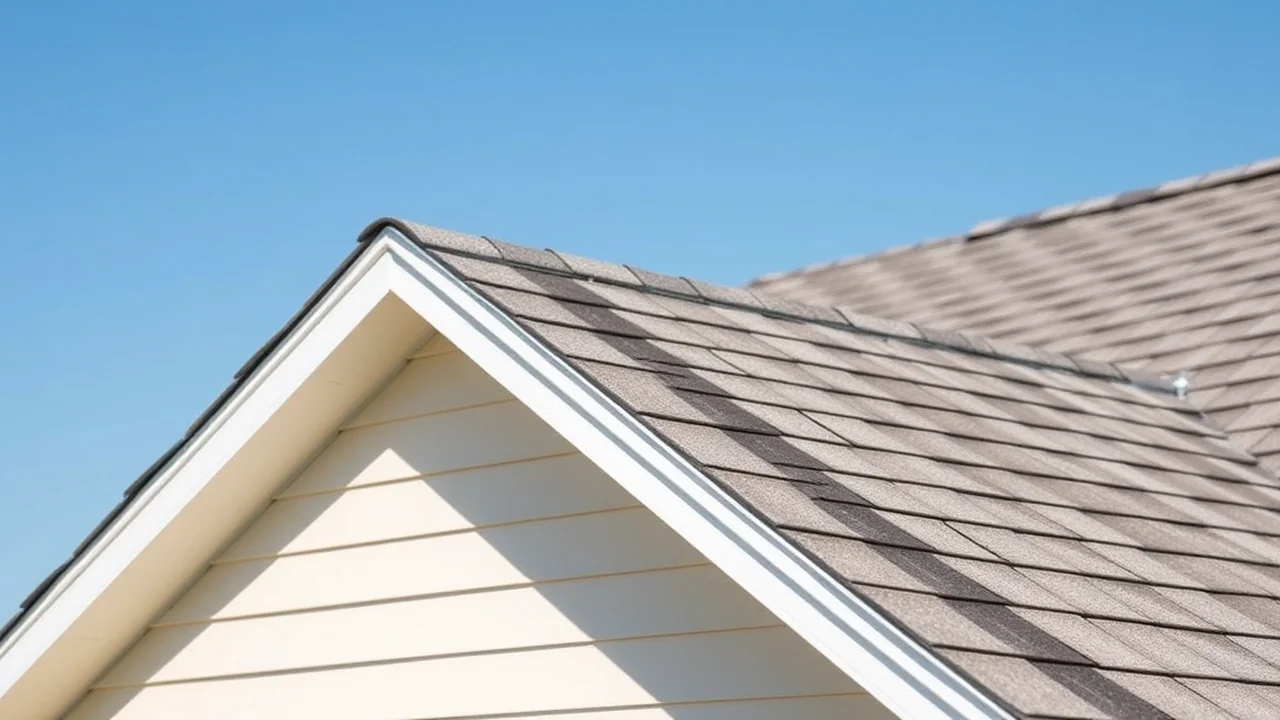
Fiber cement costs more up front than vinyl but less than full masonry, and the lifespan usually makes it the lower cost per year. Here is what actually moves the number on an Indianapolis project.
Installed fiber cement siding in the Indianapolis area typically runs $11 to $20 per square foot, or roughly $16,000 to $30,000 for an average home. The biggest swings come from home size and story count, profile choice (board and batten and shingle cost more than lap), ColorPlus versus paint, and how much sheathing repair the walls need once the old cladding comes off.
Vinyl is cheapest and lowest maintenance but softens and can crack in deep cold. Engineered wood (LP SmartSide) is lighter and warmer-looking but is still a wood product. Fiber cement sits in the durability sweet spot: fireproof, hail-tough, rot- and insect-proof, with the longest warranty of the three. For a long-term Indiana home, it is usually the better value despite the higher sticker.
James Hardie is the category leader, with the broadest Indianapolis color and profile range and the well-known ColorPlus finish. Allura offers comparable performance, often at a slightly lower cost. Nichiha brings architectural panel looks for modern and commercial facades. We install all three and recommend based on your look, budget, and warranty priorities, not on what we happen to stock.
Pairing a fiber cement re-side with new house wrap also tightens the wall, which feeds straight into whole-home energy efficiency and lower year-round bills.
Fiber cement siding never works alone. The boards keep the wall dry only when the house wrap, flashing, gutters, and roofline are all detailed together, which is why we engineer the whole envelope rather than just hanging panels. Start with our Siding & Exterior Wall Protection pillar to see how fiber cement fits beside vinyl, engineered wood, and stone veneer, and to compare materials before you commit. We tie every re-side into seamless gutters and downspouts so water clears the foundation, and if a recent Indiana storm cracked or pulled your existing siding, our storm and emergency roofing team documents the damage and handles the insurance claim for the full exterior. One crew, one engineered wall.
Licensed, insured, and OSHA-compliant, with manufacturer-backed materials and a 4.9/5 rating from 500+ neighbors. We engineer systems, not patchwork, and we put it in writing.
“We re-sided our 1950s ranch in HardiePlank and Alpha showed us the rotted sheathing behind the old aluminum before they covered anything. The flashing and house wrap work was on a whole different level from the two bids that just wanted to slap boards up. The ColorPlus still looks factory-fresh.”
Daniel R., Carmel
“Alpha walked us through Hardie versus Allura honestly and we landed on Allura board and batten to hit our budget. Crew kept the dust controlled, protected our beds, and the modern-farmhouse look is exactly what we wanted. Neighbors keep asking who did it.”
Lauren K., Greenwood
“A hailstorm chewed up our old vinyl so we upgraded to fiber cement. Alpha documented everything for insurance, matched the trim perfectly, and coordinated the gutters at the same time. One company, one wall, done right. Genuinely holistic like they say.”
Andre M., Noblesville
Installed fiber cement siding in the Indianapolis area generally runs $11 to $20 per square foot, which works out to roughly $16,000 to $30,000 for an average single-family home. The range depends on home size and story count, the profile you choose (lap is the most economical, board and batten and shingle cost more), whether you pick factory ColorPlus or primed-for-paint board, and how much sheathing repair the walls need once we tear off the old cladding. We give a free, itemized estimate after a holistic inspection so the number reflects your actual wall condition.
Properly installed fiber cement siding lasts 40 to 50 years and often longer in the Indianapolis climate. The cement composition does not rot, warp, or feed insects, and it holds up to freeze-thaw and hail far better than vinyl or wood. James Hardie and Allura back the board itself with warranties up to 30 years, and factory ColorPlus or Diamond Kote finishes carry 15-year fade warranties. The real lifespan driver is the install: correct flashing, clearances, and fastening are what get you the full 50 years.
For durability, yes. Fiber cement is non-combustible, holds a Class A fire rating, and resists hail, rot, and insects, while vinyl can crack in deep winter cold and soften or warp near heat. Vinyl wins on upfront cost and is a solid budget choice, especially insulated vinyl. Fiber cement costs more to install but usually delivers a lower cost per year of service and a more premium look. For a long-term Indianapolis home exposed to storm season and freeze-thaw, fiber cement is the stronger investment.
Yes. We install James Hardie (HardiePlank, HardieShingle, HardiePanel, and ColorPlus), Allura, and Nichiha architectural panels. James Hardie offers the broadest color and profile selection in the Indianapolis market, Allura often comes in slightly lower on cost with comparable performance, and Nichiha suits modern and commercial facades. We recommend the brand that fits your look, budget, and warranty goals rather than pushing one line.
A typical Indianapolis single-family fiber cement re-side takes five to ten working days, longer than a straightforward vinyl swap because the boards are heavier, the cutting is dust-controlled, and the flashing and clearance details take more care. Full tear-offs that turn up sheathing rot add time. We schedule around the forecast during spring and summer storm season and never leave the wall exposed overnight, so your home stays protected through the whole project.
Not if you choose a factory-finished board. James Hardie ColorPlus and Diamond Kote finishes are baked on at the plant, resist fading for 15-plus years, and never need painting during that window. If you choose primed-for-paint board instead, you get any color you want now and can repaint down the road, typically every 10 to 15 years. We help you weigh the higher upfront cost of factory color against the long-term savings of skipping repaints in the Indianapolis climate.