
Gutter installation in Indianapolis typically costs between $1,200 and $3,500 for an average single-family home, or about $6 to $20 per linear foot installed depending on the material you choose. Seamless aluminum gutters, the most common pick in Central Indiana, usually land in the $7 to $13 per foot range, while copper systems can climb to $25 to $40 per foot. Most homes need 150 to 220 linear feet, so the material you select and the complexity of your roofline drive the final number more than anything else.
Gutters are easy to overlook until they fail, but in a freeze-thaw climate like Indianapolis they do real structural work, channeling roof runoff away from your fascia, foundation, and basement. This guide breaks down what new and replacement gutters actually cost in Central Indiana, what makes prices rise or fall, and how to tell whether you need a full replacement or just a repair. The goal is to help you budget accurately and ask the right questions before you sign anything.
For a typical Indianapolis home, expect to pay $1,200 to $3,500 for a complete seamless gutter installation, including downspouts, hangers, end caps, and labor. The single biggest variable is linear footage. A modest ranch with a simple roofline may need only 130 to 150 feet, while a two-story Colonial or a home with multiple gables and dormers can require 220 feet or more.
Pricing is usually quoted per linear foot installed, which bundles the gutter material, downspouts, fasteners, and labor into one figure. Using the common seamless aluminum rate of roughly $8 to $13 per foot, here is what different home sizes tend to cost in Central Indiana.
These ranges assume a standard single-story or two-story home with reasonable access. Steep roofs, three-story sections, and difficult ladder placement push costs toward the high end. If your project is part of a larger roof project, bundling gutters with a roof installation or replacement often lowers the per-foot price because crews are already mobilized on site.
Material is the clearest lever on price. The right choice depends on your budget, the look you want, and how long you plan to stay in the home. Here is how the common options compare on a per-linear-foot installed basis in the Indianapolis market.
Aluminum is the default for most Central Indiana homes. It resists rust, handles freeze-thaw cycles well, comes in dozens of baked-on colors, and is light enough to install seamlessly on-site. Vinyl is the cheapest upfront but becomes brittle in Indiana winters and is best reserved for mild climates or short-term fixes. Steel (galvanized or galvalume) is far stronger and stands up to ladders and falling limbs, but it can rust over time if the coating is scratched. Copper is the premium, architectural choice. It never rusts, develops a distinctive patina, and can last 50 years or more, but it carries a premium price and requires skilled installation.
Seamless gutters, formed from a continuous coil on-site, cost a little more than sectional gutters but eliminate the seams where leaks usually start, which is why they dominate professional installs here.
Two homes the same size can get very different quotes. Beyond material and footage, these factors explain most of the spread you will see between estimates.
Roof height and complexity matter because a two- or three-story home requires more setup, safety equipment, and time than a single-story ranch. Steep pitches and rooflines with many corners, valleys, and dormers add cut points and labor. Gutter size also affects cost: standard residential gutters are 5 inches, but larger 6-inch oversized gutters, which move significantly more water and are smart for Indiana's heavy summer downpours, run a few dollars more per foot. Downspouts are priced separately on some quotes, typically $5 to $15 per foot of drop, and homes with poor drainage may need more of them.
Add-ons round out the price. Gutter guards to keep leaves out, fascia or soffit repair where old gutters caused rot, and proper downspout extensions that carry water well away from the foundation all add to the total but often pay for themselves. If your old gutters leaked long enough to damage the wood behind them, that repair should be addressed during installation, which is something a thorough roof inspection will flag before work begins.
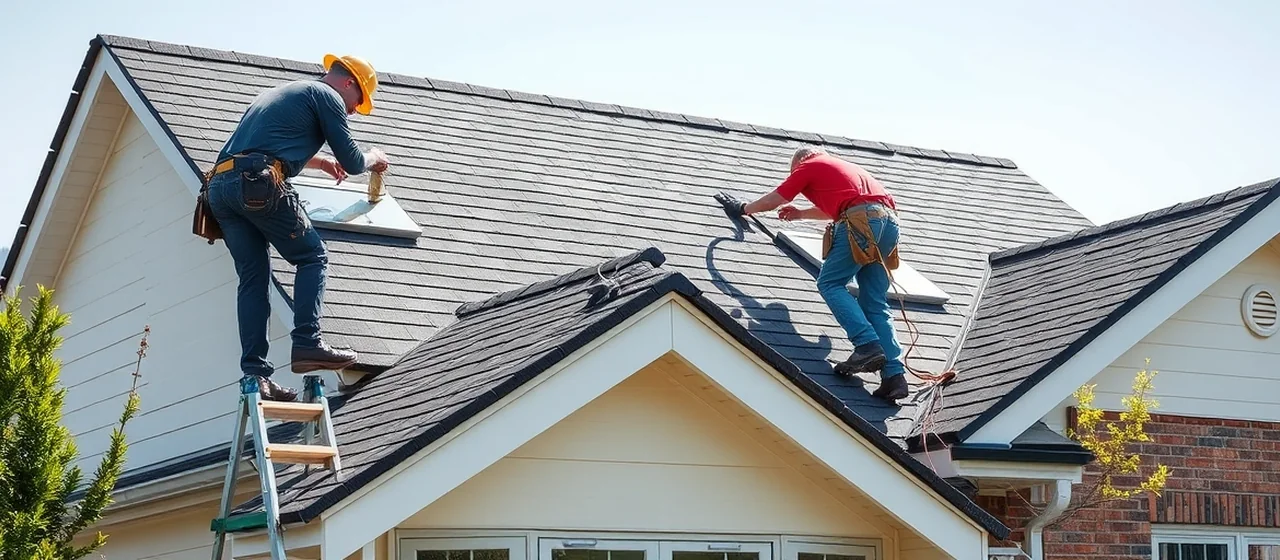
Not every gutter problem requires a full replacement. Knowing the difference can save you well over a thousand dollars. Targeted repairs make sense when the system is fundamentally sound but has isolated issues.
Choose a repair when you have a single sagging section, a few loose hangers, one or two leaking seams, or a clogged downspout. Resealing seams, re-pitching a run, and replacing hangers are inexpensive fixes, often $150 to $500 for a service visit. Choose full replacement when you see widespread rust or cracking, multiple separating seams, gutters pulling away from the fascia along long stretches, or peeling paint and water stains on the siding below, which signal chronic overflow.
Age is a useful tiebreaker. Aluminum gutters last 20 to 30 years and steel around 20; if yours are near the end of that window and already leaking in several spots, repeated repairs become a poor investment. When water is reaching the foundation or basement, replacement protects a far more expensive part of the house. A professional can walk the system with you and recommend the option that actually solves the problem rather than just postponing it.
Gutters earn their keep in Indianapolis because of two local realities: heavy seasonal rainfall and repeated freeze-thaw cycles. From spring storms through summer downpours, a roof can shed hundreds of gallons in a single event, and that water has to go somewhere other than down your foundation wall.
In winter, water that pools in a clogged or poorly pitched gutter freezes, expands, and contributes to ice dams along the roof edge. Ice dams force meltwater back up under the shingles, where it can leak into the attic and ceilings. Properly sized, well-pitched gutters paired with good attic insulation and roof ventilation are part of the same defensive system that keeps the roof edge clear. We cover this in depth in our guide to ice dams.
Over years, runoff that is not controlled erodes landscaping, cracks driveways, and seeps into basements and crawl spaces. The cost of a new gutter system is small next to foundation repair or mold remediation, which is the real reason gutters belong in any honest roof maintenance plan rather than being treated as an afterthought.
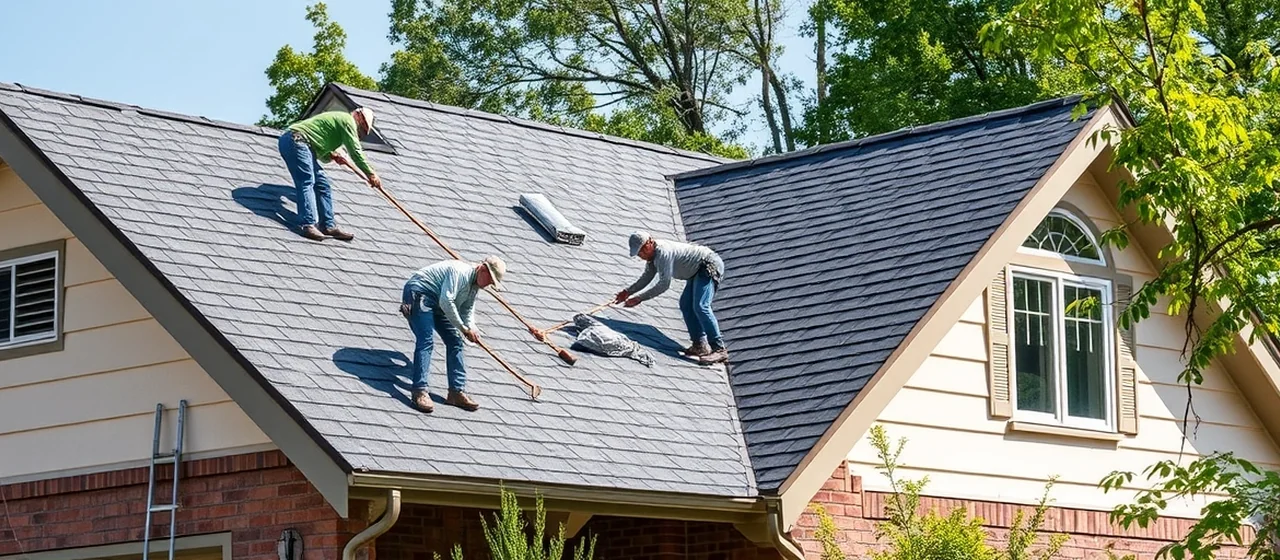
When you are already paying for installation and labor, certain upgrades cost far less than adding them later. Gutter guards are the most popular. They keep leaves, pine needles, and roof grit out of the channel so water flows freely and you spend less time on a ladder. Installed guards typically add $4 to $12 per linear foot depending on the type, from simple mesh screens to heavier micro-mesh and reverse-curve systems.
Other worthwhile add-ons include oversized 6-inch gutters and 3x4-inch downspouts for homes with large roof areas or many trees, leaf-shedding downspout strainers, and buried drainage or splash blocks that carry water several feet from the foundation. Heated cables along problem-prone edges can help with persistent ice in shaded valleys, though improving insulation and ventilation usually addresses the root cause more effectively.
If your home has heavy tree cover, the math on guards is straightforward: fewer cleanings, fewer clogs, and less risk of overflow damage. You can read more about how guards perform on our gutter guards overview before deciding.
The most reliable estimate comes from an on-site measurement, not a phone guess. A good contractor will measure your actual linear footage, count corners and downspouts, note the gutter size that suits your roof area, and inspect the fascia for hidden rot before quoting a number.
When you compare bids, make sure each one lists the same things so you are not comparing a bare gutter install against a full system. Ask whether the quote includes seamless or sectional material, the gutter and downspout sizes, the hanger spacing, tear-off and disposal of the old gutters, and any fascia repair. A quote that is dramatically lower than the others usually leaves something out.
Whether you are planning a standalone gutter project or rolling it into a larger exterior upgrade, our team is happy to walk your home, explain the trade-offs in plain terms, and give you a written estimate with no pressure. Honest measurement up front is how you avoid surprises later.
Whether you need a few sections repaired or a full seamless system, our team will measure your home, explain your options honestly, and give you a written estimate with no pressure. We engineer gutter systems that protect your roof and foundation, not quick patchwork.
Explore Gutter Systems & ServicesCall (219) 221-9617Most Indianapolis homes pay $1,200 to $3,500 for a complete seamless gutter installation, or about $8 to $13 per linear foot for aluminum. Material, home size, and roofline complexity are the main factors, with copper and steel costing more than aluminum.
Vinyl is the cheapest at roughly $4 to $8 per foot installed, but it becomes brittle in Indiana winters and has a shorter lifespan. Seamless aluminum, at $8 to $13 per foot, offers the best balance of cost, durability, and freeze-thaw performance for Central Indiana.
Aluminum gutters typically last 20 to 30 years and galvanized steel about 20 years, while copper can last 50 years or more. Regular cleaning, proper pitch, and prompt repair of small leaks all extend a gutter system's usable life.
Repair makes sense for isolated sags, loose hangers, or one or two leaking seams, often $150 to $500. Replace gutters when you see widespread rust, multiple separating seams, sections pulling away from the fascia, or water staining the siding, especially if the system is over 20 years old.
For homes with significant tree cover, gutter guards usually pay off by reducing clogs, overflow, and ladder cleanings. They add roughly $4 to $12 per linear foot, and installing them during a new gutter project costs less than adding them later.
Standard 5-inch gutters handle most Indianapolis homes, but 6-inch oversized gutters move significantly more water and are a smart upgrade for large roof areas, steep pitches, or homes with heavy summer runoff. The extra capacity helps prevent overflow during intense storms.